Echoes From the North Cotabato Mountain Ranges: the Silent Cry of the Manobos

Echoes From the North Cotabato Mountain Ranges: the Silent Cry of the Manobos

North Cotabato in southern Philippines is a place where the mist often clings low and covers every ridge like a thick white veil that hides the beauty of the valleys from atop the highlands to the lands below, manifesting the sacredness of the ancestral lands of the Manobo people. The mist, however, does not only hide the beauty of the place but also the quiet struggles of the Indigenous Peoples who call the ridges their home. 
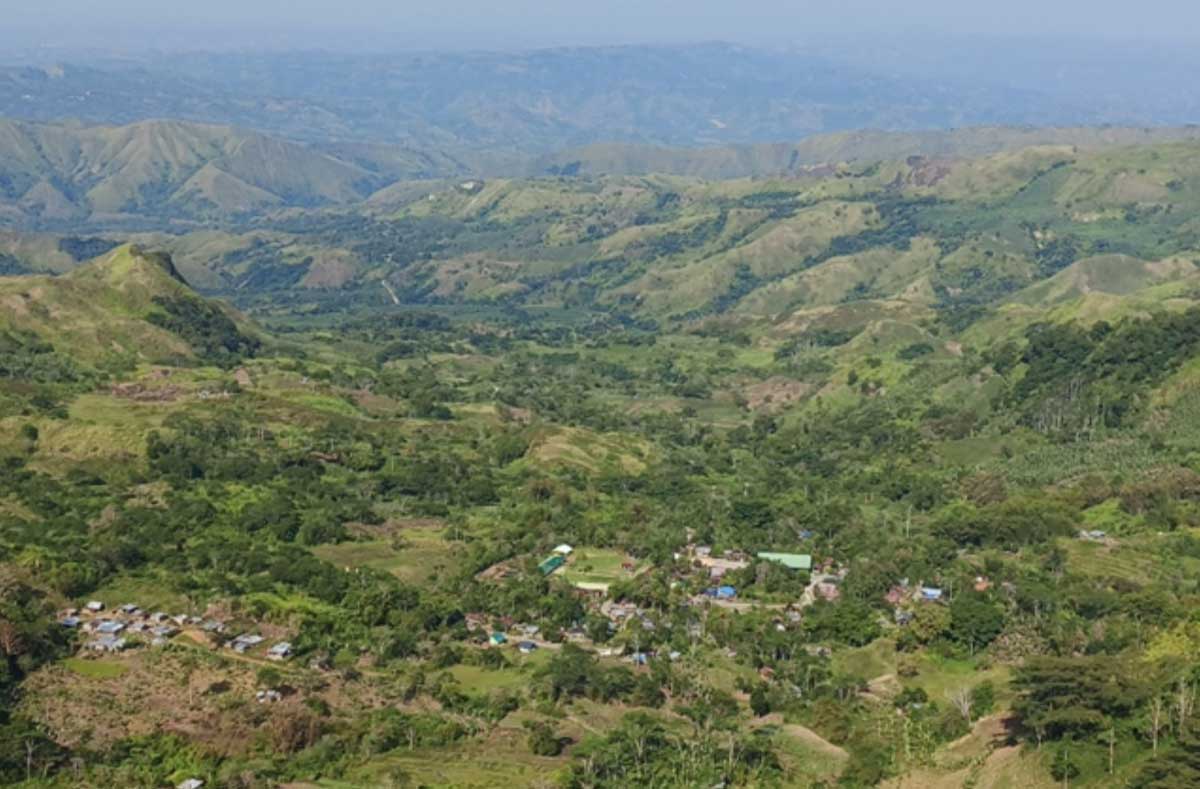
 

Portion of the Kulamanen Manuvu ancestral domain (top) viewed from the peak of Mount Sumalili (down).


In the shadows of Mount Apo, Mount Sinaka, and atop the peak of Sumalili, the Tinonanon Monuɓû, Obo Manobo and Kulamanen Manuvu peoples are continuously engaged in a profound act of survival, striving to reclaim their collective identity and to protect their lands and sovereignty. Their struggles came to light during the community visits under the Ugnayang Pambansa para sa Katutubong Kaalaman at Talino (UPAKAT) conducted by Tebtebba Foundation, its interim secretariat, on 14–22 March aimed at deepening the knowledge about the Indigenous Political Structures (IPS) of the three Indigenous communities and their current issues, concerns and initiatives.

Challenges

In the community of the Kulamanen Manuvu people, the air is often filled with the scent of damp earth, cool breeze and the memory of the Philippine eagle’s whistle. But lately, a different atmosphere has settled over the people. With the passing of their Supreme Chieftain, the tribe finds itself at a crossroads, facing a void in leadership just as the pressures of the modern world intensified.

For years, the high-input, low-value trap of commercial monocrop farming of corn and banana has scarred the steep slopes of the Kulamanen Manuvu lands with erosion and mired their families in debt. Many have been forced to become tenants on their own soil, renting their land to outsiders to cover food, tuition and allowances of children as well as health emergencies. The illusion that “getting more from leasing their lands than tilling them on their own” is now fast becoming a reality, threatening their sovereignty over their own ancestral domain. For what reason do they believe this to be so? Unfortunately, their unpaved and muddy roads make it very difficult for them to market their produce, and with the low buy-out of their products and high labor and input expenses, the offer of cutting cost and getting paid instantly for working their leased lands seems the better choice. 

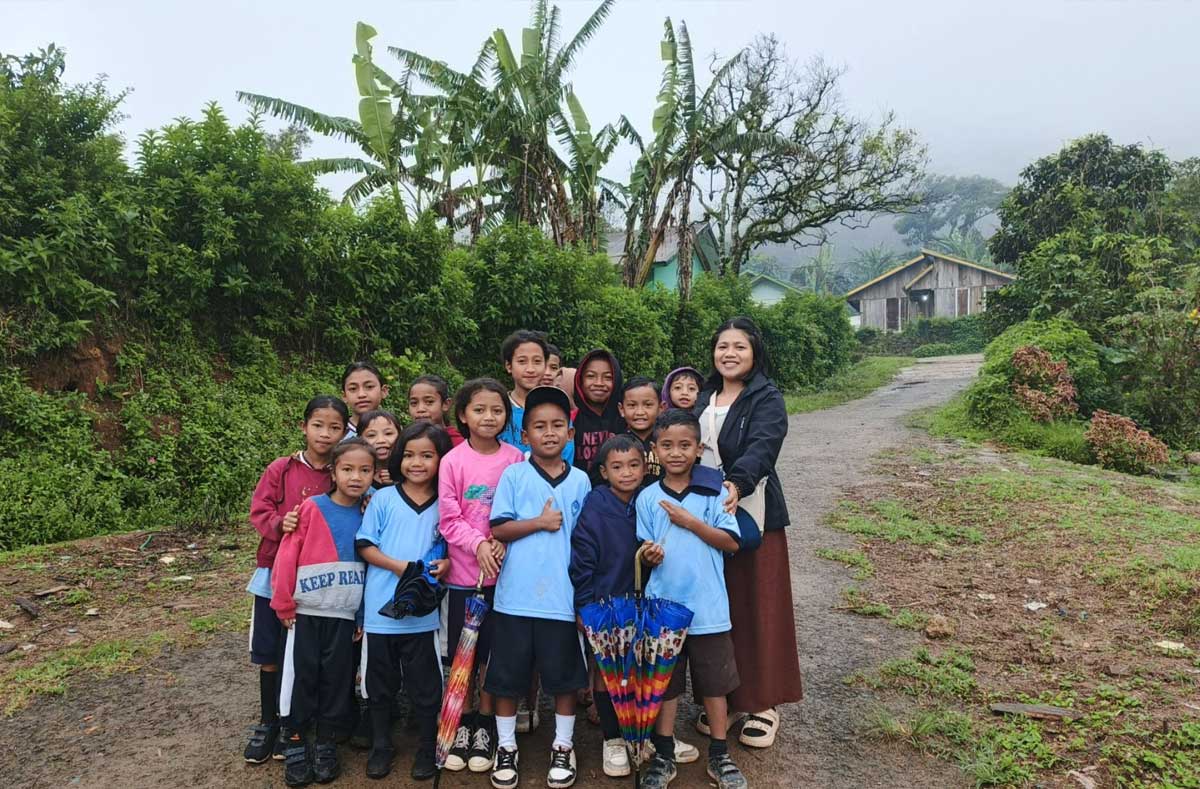
Meanwhile, the children are getting more unfamiliar with their roots as they become more engrossed with social media, spending their days on cellphones, while women could only hope of weaving and sewing their fabrics and decorating their heads and necks with beads having no  means to support this endeavor.
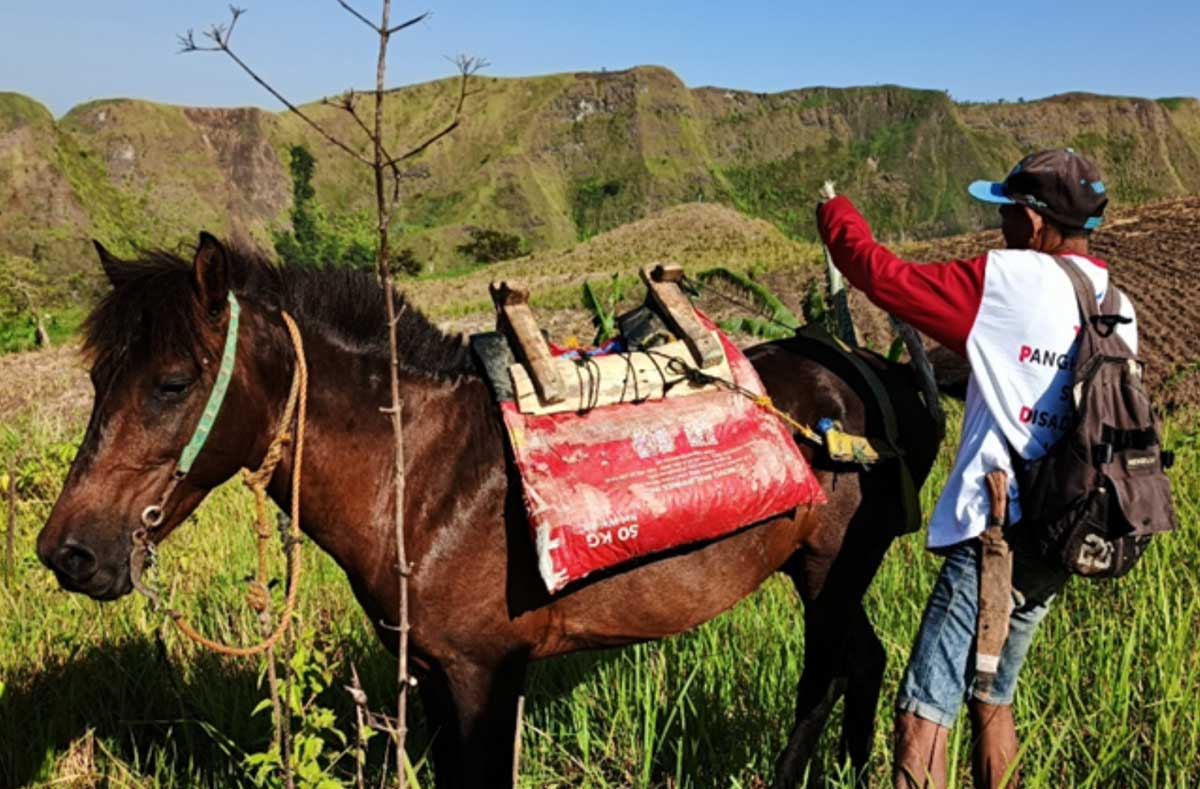
 

A Kulamanen elder embarking from his horse after delivering farm inputs to be used for planting corn and peanuts.


But the elders are now reaching back into their origin stories to boost community morale. They speak of the egg story of their ancestor, Apo Kulalang. According to them, Apo Kulalang demonstrated their strength as a people when he led his brothers to float an egg in the great river and let it stream downward, challenging the aggressive waterflow, bumping on rocks and never cracking until it reached their sister downstream. “An egg in the rushing water does not fight the current but, instead, floats over it,” he said. This philosophy reflects the way of life of the Kulamanen Manobo people. 

The elders teach the youth that they should stay whole and stand tall amidst the challenges. This spirit of resilience is manifesting in the Bagani system where traditional warriors are formalized as bantay gubat (forest guards) to defend their lands and forests against intruders. In the heart of their villages, leaders discuss and negotiate their community protocols in relating with investors, ensuring that outside interests do not go beyond the allowed area to be rented out and that authority rests with the community.
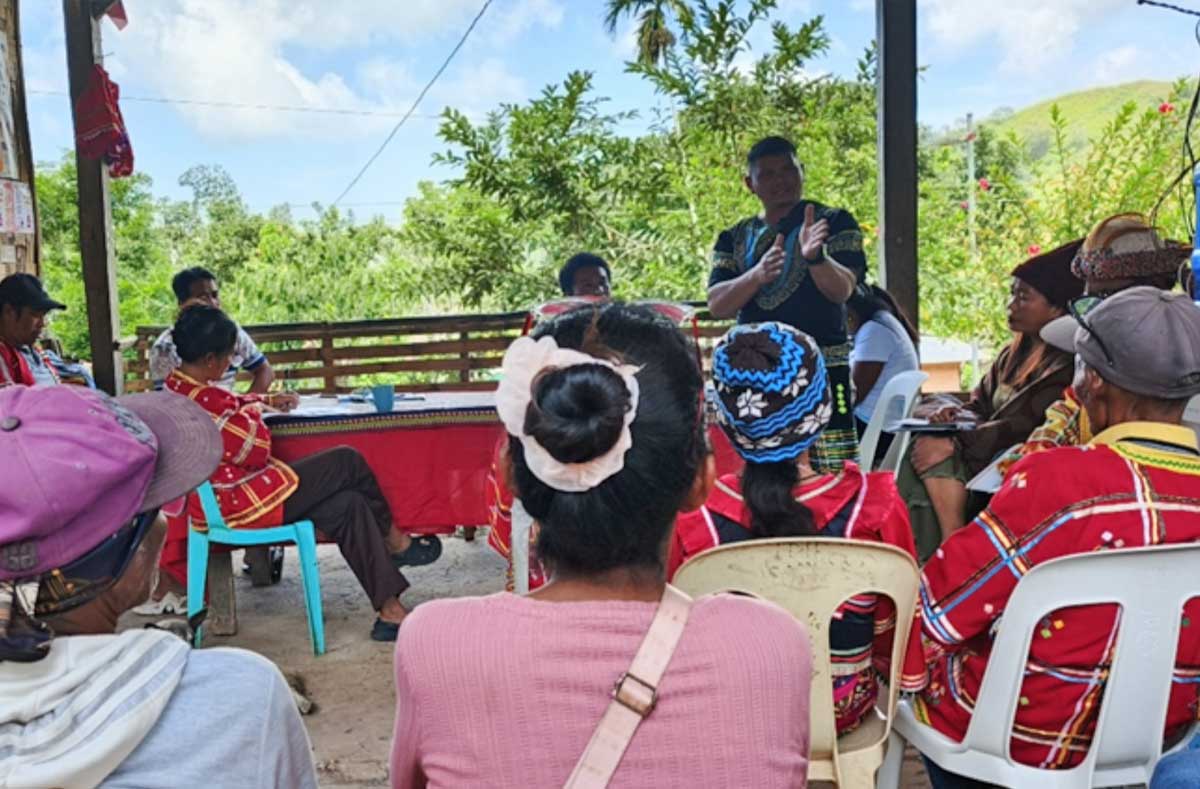
 

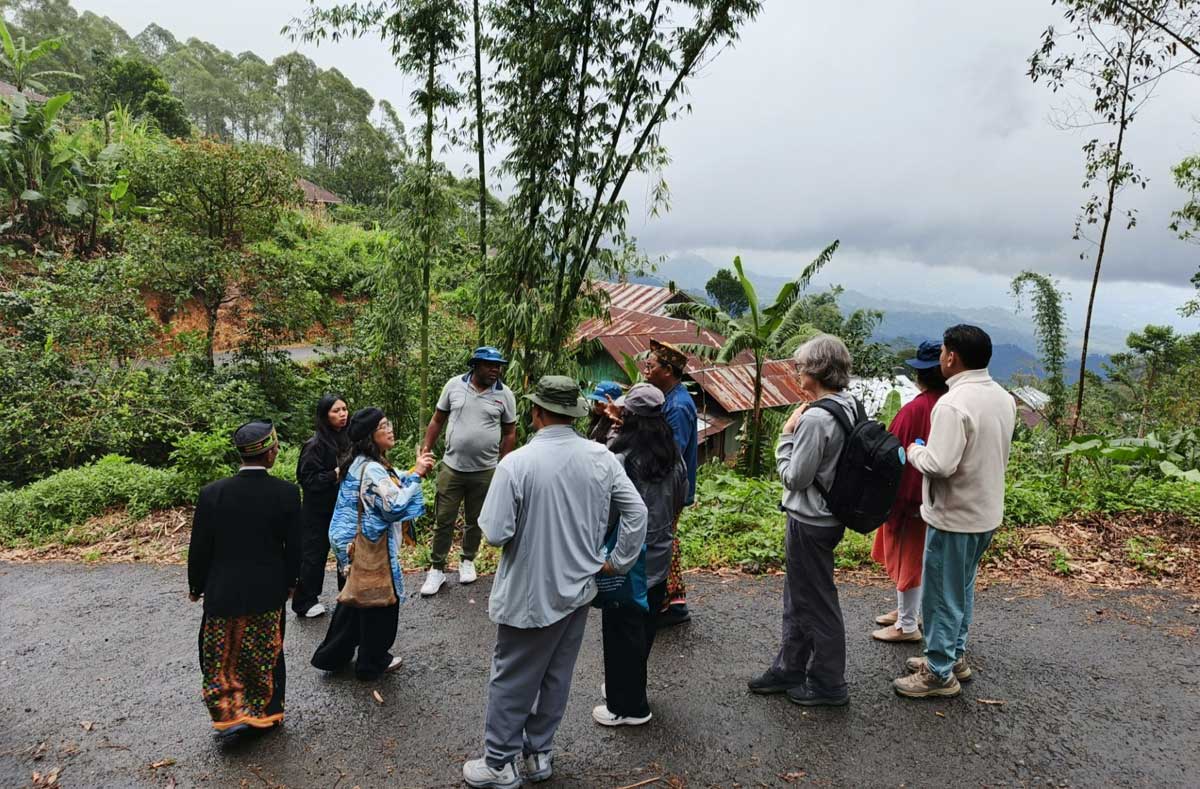
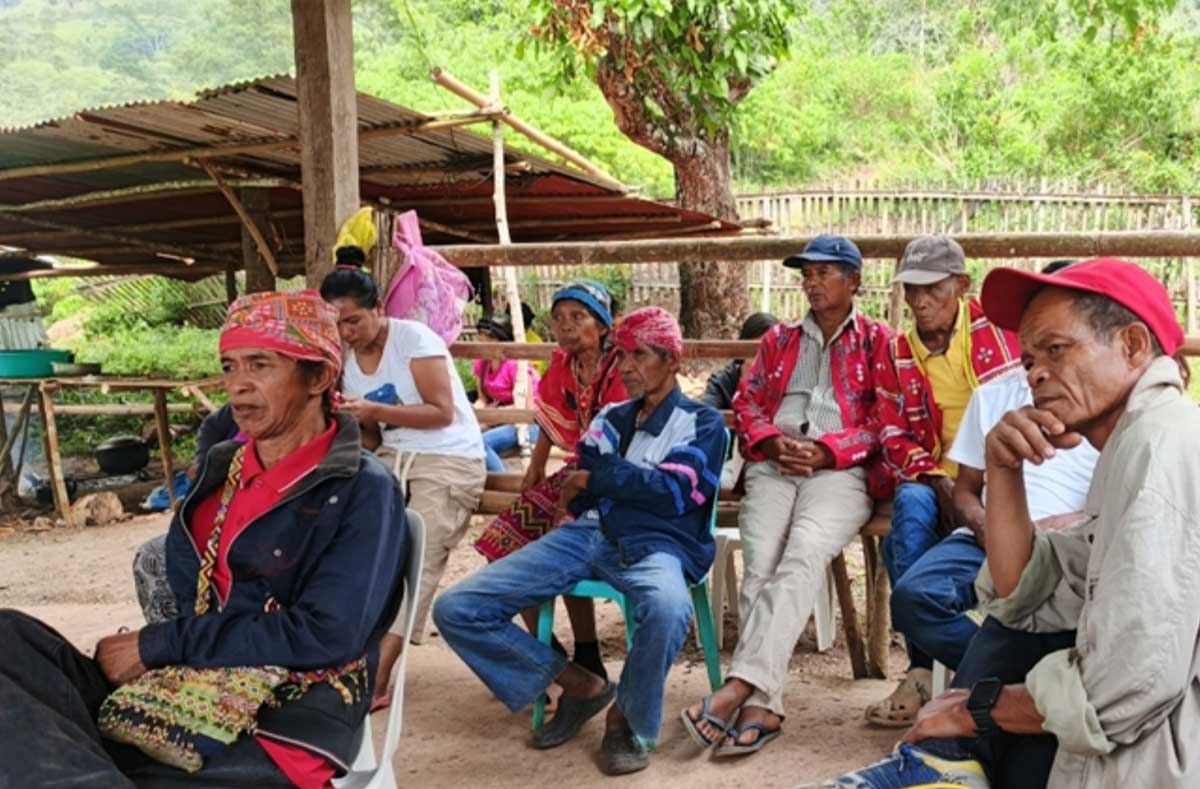
Snaps during the focus group discussion on community issues and concerns and IPS updating of elders and leaders of the Kulamanon people in Barangay Sumalili, Arakan.


In the rugged terrain of Magpet municipality, the Obo Manobo face a different kind of displacement. Their ancestral lands are often cordoned off by state-mandated protected areas, turning their traditional agriculture and forest management into a criminal act. Development projects are poured into the community to provide alternative livelihoods, encouraging them to forgo harvesting forest resources. While this seems a good option, the peoples’ indigenous ways are being displaced. Instead of the community’s staples like rice and vegetables, tahiti (tiger grass) and bananas grow on their lands. They harvest these, process the tahiti into soft brooms and sell the bananas directly in the trading centers. Their produce is priced so low they can only buy a few kilos of rice, and instead of meat and vegetables what remains can only purchase inexpensive processed foods like sardines, hotdogs and instant noodles.
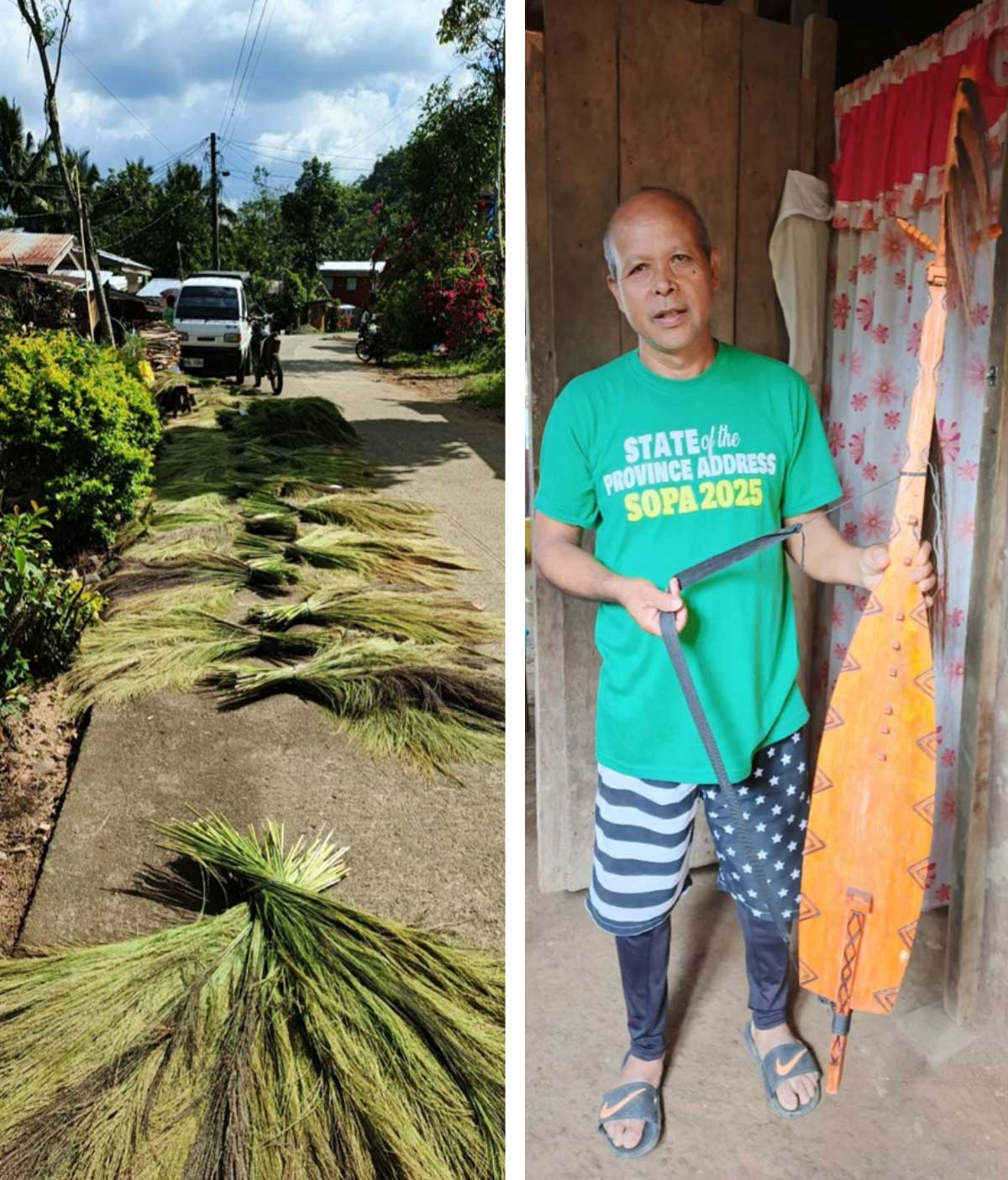
 

Tahiti lined up to dry along the road of Don Panaca in Magpet (left) and Lipatuan (chieftain) Joel Buntal of the Obo Manobo after sharing some information about their Indigenous artwork (right).


It is ironic that before their forests were declared protected and so-called development came, they roamed their lands, harvesting food freely from the wild, produced their own food, shared and enjoyed the fruit of their labors with the community. Now they say they only work the remaining lands allowed them to cultivate, then sell the produce so they can buy food—food that is only enough for a few days of survival.

The Obo Manobo children no longer speak their Indigenous language and parents do not encourage them to do so, in fear of their being bullied and labeled as dirty and netibos (local term for ‘native’ or ‘indigenous’). People are slowly forgetting their own Indigenous knowledge systems and practices as their connection to their lands and roots get severed by historical injustices worsened by the influx of other people into their lands and state policies impacting them directly.

Cultural Endurance

But walk into an Obo Manobo settlement on any day and you will still hear the heartbeat of the community. Their School for Indigenous Knowledge (SIK) serves as a sanctuary. Even as major corporate partners have left and funding has dried up, their cultural masters—volunteer teachers who are also community elders and leaders considered experts in their Indigenous knowledge systems and practices—continue to teach. They know that if the youth only speak Bisaya (regional language spoken by most people in Visayas and Mindanao) to avoid being bullied, the Obo Manobo will vanish within a generation. Despite having no permanent school building and limited funding for their abaca and tahiti enterprises, the women have stepped up and filled the gap. They are contributing what little they have to keep their social enterprises alive. They have drafted their own Free, Prior and Informed Consent (FPIC) protocol, sending a clear message to any outsider that entering their land requires respecting the Obo Manobo customary laws.

In the Arakan Valley, the Tinonanon Monuɓû are currently fighting a war of ink, paper and shadows. Business developers are luring the leaders and their community with 25-year leases that contain indefinite renewal clauses, legal traps that effectively and permanently alienate the people from their ancestral lands.

The Tinonanon Monuɓû people still practice the sokub tobaliyom, their indigenous ceremony in which a symbolic necklace is awarded to a person, bestowing authority and power to lead and/or represent the community. This is performed when selecting tribal leaders and mandatory representatives. Thus, reclaiming the necklace means nullifying the authority entrusted to a specific leader due to his or her failure to protect and serve the interest of the community. However, this is becoming difficult to accomplish especially when decisions are influenced by the lure of money. According to the Tinonanon Monuɓû, some individuals with vested interest are using money to sway clan leaders and control decisions. This issue is often worsened by external threats from investors and political allies, slowly causing disunity and undermining customary governance.

Sokub tobaliyom, they say, is supposed to be a beautiful ornament that ensures check and balance in the community’s leadership, yet leaders themselves are failing to protect its essence.
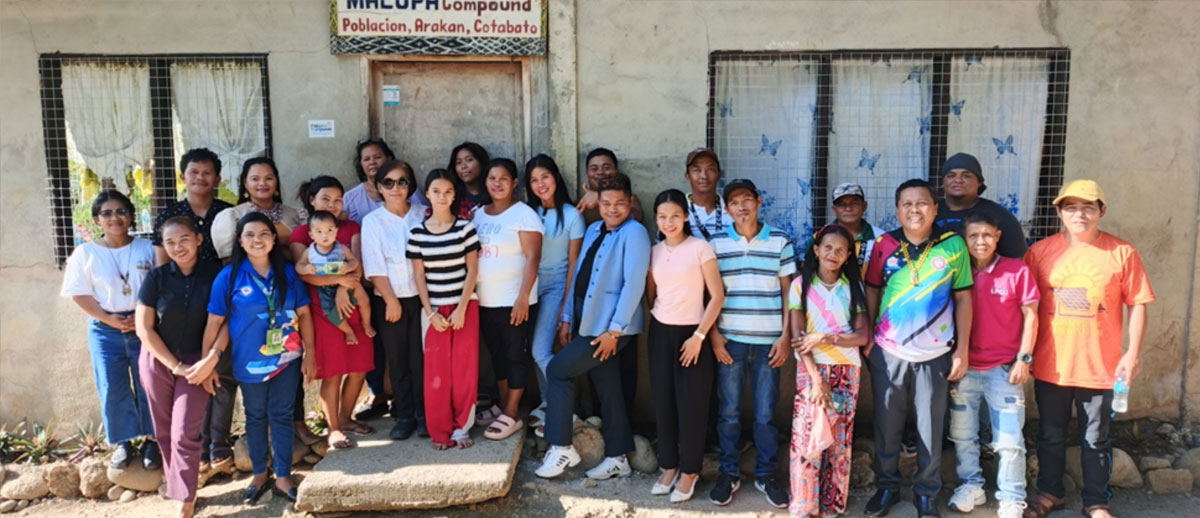
 

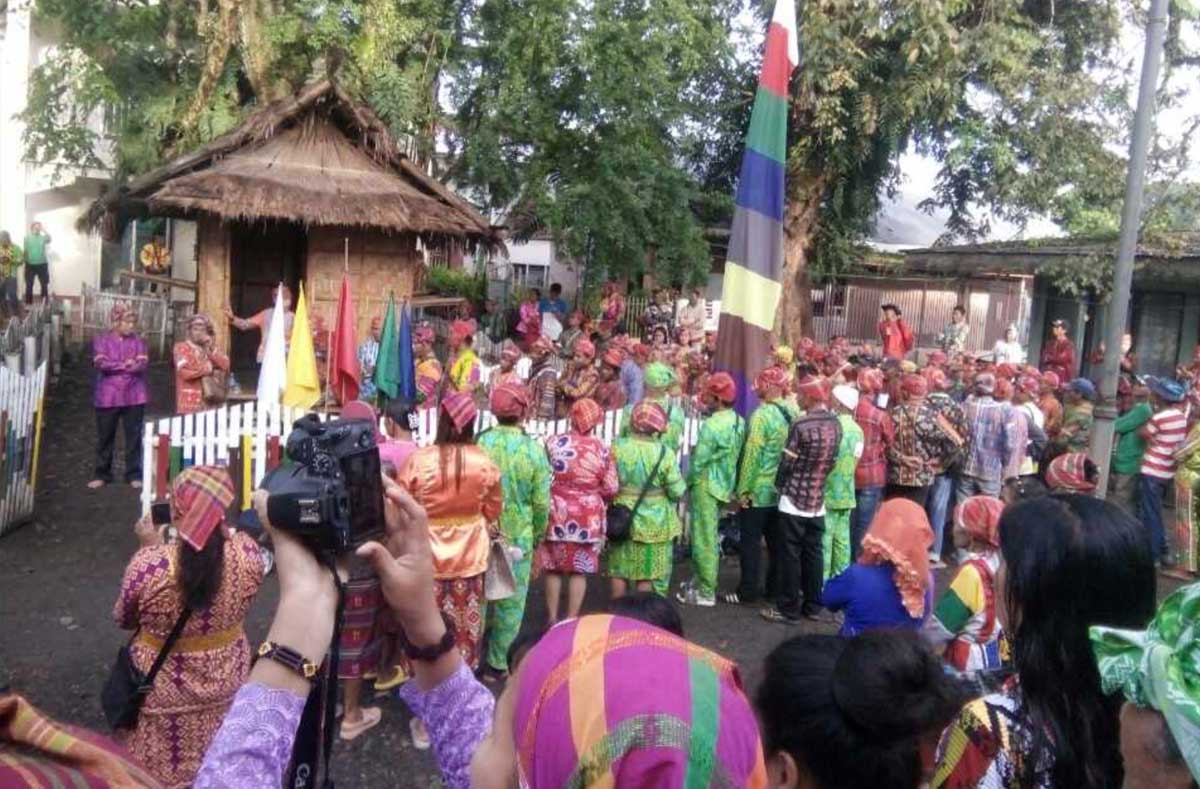
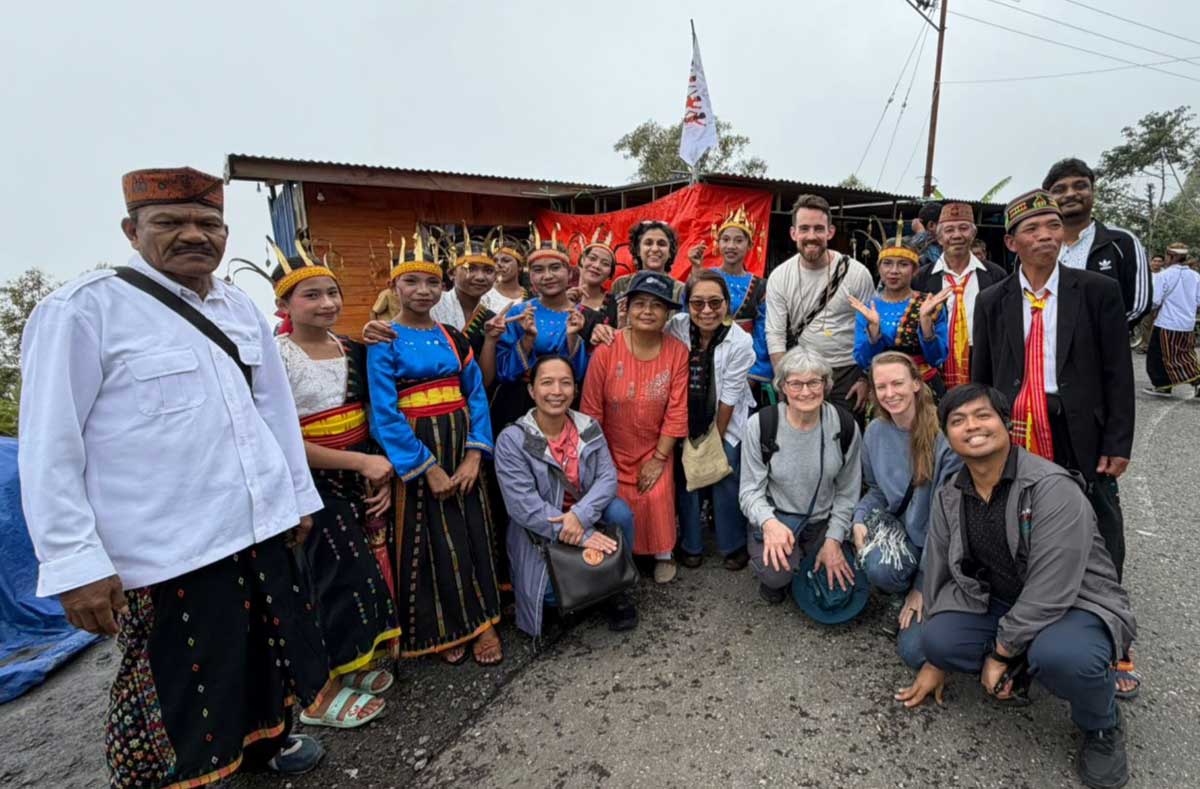
Tinonanon elders and youth with Tebtebba-Philippine Program staff after the focus group discussion on the IPS, held on March 16 at the Malupa Tribal Center in Poblacion, Arakan.


The community though is not without hope, as the Arakan municipal government is supportive in promoting Indigenous Peoples’ welfare. Its programs are beneficial to Indigenous Peoples, prioritizing their needs rather than catering to political schemes and manipulation. This is evident in the adoption of the Indigenous Peoples Code that legislates the full recognition, promotion and fulfillment of Indigenous Peoples’ rights within the municipality. The legislation also created the Indigenous Peoples’ Service Office with a budget for operation and launching of the Kalupa program. The program promotes revitalization of the forest-based economy and Indigenous agriculture, patching up fragmented forests and securing Indigenous communities’ market sovereignty. It aims to develop more livelihood opportunities for the people, not just the Tinonanon Monuɓû but also the Kulamanen Manuvu and other Indigenous groups in Arakan Valley.
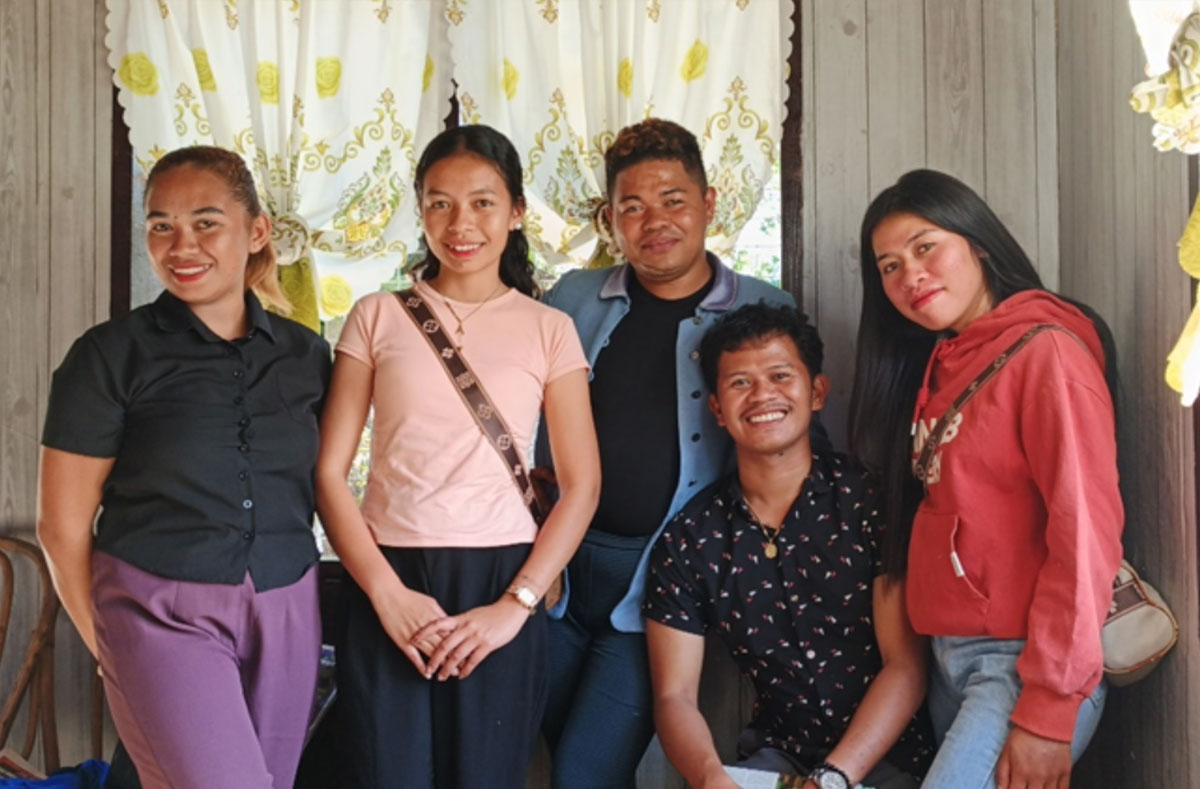
 

Some of the Tinonanon youth actively helped Malupa and the Indigenous Peoples Service Office of Arakan in promoting Indigenous knowledge and community development.


The stories of these three Indigenous groups are distinct, yet they share the same rhythm—a rhythm attuned to their shared mountain ranges, their collective identity and their conviction to remain rooted to their lands and values as Indigenous Peoples. Despite unpaved roads that make marketing crops an ordeal, technology and social media’s distracting influence on the youth, the lure of money and often conflicting state policies that alienate communities from their lands and heritage, the Manobo people of North Cotabato remain intact and united. The Kulamanen Manuvu are standing steadfast adeptly navigating the current social crisis; the Obo Manobo are holding on to the progress of their continued knowledge transmission and the collective movements of community leaders, farmers’ organization and women’s enterprises. And the Tinonanon Monuɓû are being assisted by their peers and local government.

The Manobo people are still weaving abaca. They continue to plant trees and high-value crops, conserve the forest and nurture watersheds that house the Philippine eagles the way their ancestors did. They are proving that true development is not about how much land one can sell, but how much of one’s Indigenous culture one can keep alive for the children who are yet to be born. They stand tall as they embody their role as primary caretakers of the land.

But while they may not speak loudly, their initiatives and situations are silent pleas that their rights are being exploited, their Indigenous ways undermined, and their actions overlooked. While they are doing what they can to protect what they still have, they need genuine support that allows them to thrive through their own Indigenous ways and means.

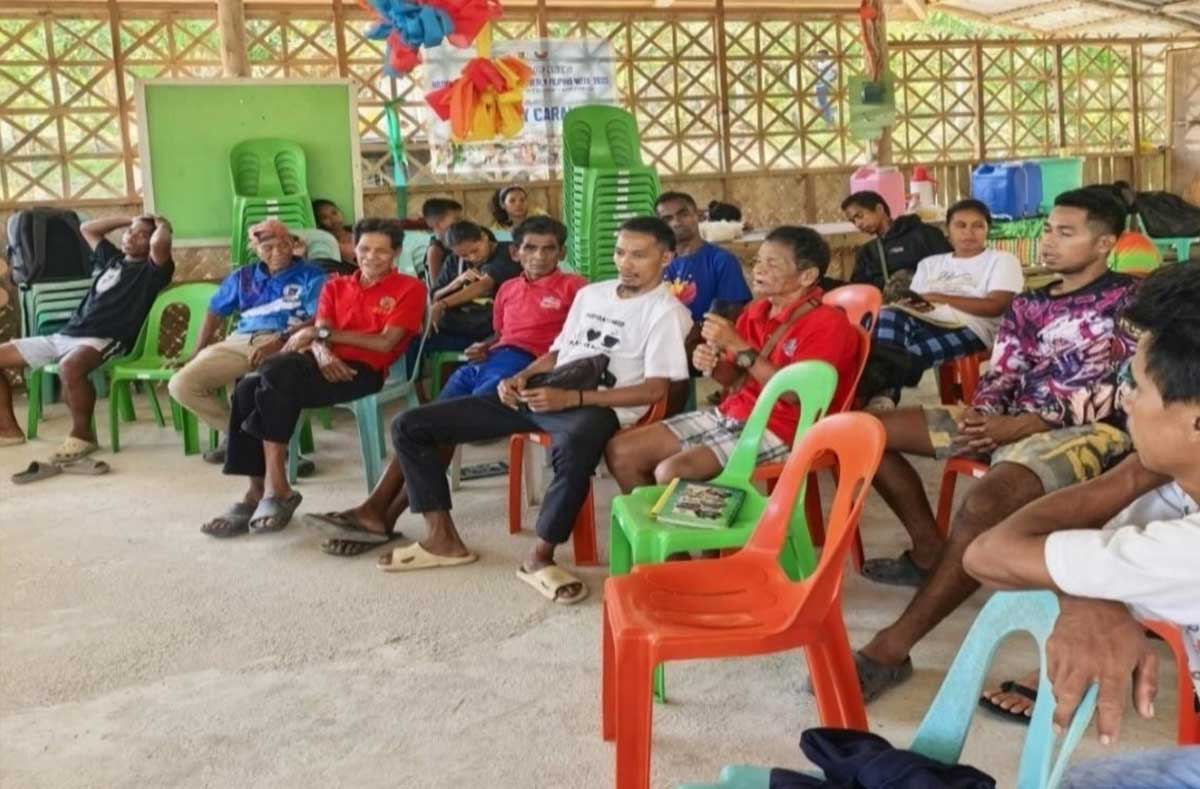
The Batak People in Palawan: An Endangered Indigenous Community

The Batak People in Palawan: An Endangered Indigenous Community

 In the early morning of 7 March, a team composed of four Tebtebba Foundation staff and five members of the Nagkakaisang mga Tribu ng Palawan (NATRIPAL) traversed the tree-lined highways of Palawan from Puerto Princesa to Roxas to meet with the Batak, one of the Indigenous Peoples of Palawan. The Senior Citizens Hall in Barangay Caramay, Roxas briefly became abuzz as they arrived and exchanged greetings with the Batak who came to attend the community assembly set by Tebtebba through NATRIPAL. 

The Batak participants came from sitios Nanabu and Timbuan in Barangays Caramay and Abaroan, two of 31 barangays of Roxas municipality. Batak, the name given to the tribe by the Cuyonons, means “people of the mountains”. The Cuyonon is an ethnic group populating the Cuyo Islands northeast of mainland Palawan and the mainland’s northern and central parts.

The Batak were originally settled along the beautiful coastline and river valleys northeast of the capital Puerto Princesa, which over time migrants occupied, gradually pushing the peaceful and non-confrontational Batak people to higher elevations and forcing them to abandon their ancestral lands. This displacement has greatly affected their livelihood, as the Batak mostly hunter-gatherers live off the diverse and abundant food sources of the fertile river valleys and coasts. According to Johnson (2025), only an estimated 450 Batak people remain in Palawan, composed of approximately 50 family groups making them the smallest of the Indigenous groups in Palawan. Over the years, the vanishing tribe of Batak has endured food scarcity, the growth of outsider populations and limited access to work opportunities (Johnson, 2025).

Currently, Palawan’s tourism sector promotes the Batak Village Tour, which offers a guided full-day experience to visit and interact with the Batak people. The tour includes a jungle trek, river and stream crossings, as well as opportunities to engage with locals to learn about their culture through songs and dances, traditions and handicrafts. Tourists are given the chance to observe traditional hunting techniques while enjoying the lush terrain and natural beauty surrounding the village. Moreover, the tour helps in raising awareness of the Batak’s situation and provides a venue for marketing and selling their crafts and other goods, a primary source of income along with the harvesting of copal, a resin often sold to companies for use as a type of varnish (Batak Tribe Village Tour, n.d.; Turtle, 2023).

Community Assembly


The community assembly began with a prayer in Binatak, a Batak language, led by Lagwasan Loreto Magbanua, an 85-year-old elder and spiritual leader (Lagwasan). Sonny dela Cruz, President of Samahan ng mga Katutubong Batak sa Nanabu (SKBN) then gave a heartwarming welcome, setting a positive tone for the rare occasion of Tebtebba staff’s engagement with the Batak. He shared that the annual traditional Daes, a tradition that embodies their identity, unity and cultural pride, had just concluded in Nanabu and was also being prepared in Timbuan. This year’s theme, Pagparimamenti, Pagpamanggad it Kultura reaffirmed the importance of preserving and appreciating the traditions that keep their community vibrant.

The annual celebration of Daes serves as one way to preserve and transmit Indigenous knowledge systems and practices among the Batak youth signifying the legacies of the past that are still alive today. These include bilao-making, mat and bag weaving, crafting of bows, cultural dances and songs.

Rey Pura, the municipal Indigenous Peoples Mandatory Representative (IPMR) and NATRIPAL board member, expressed his gratitude to all the participants and talked about the recent consultation with NATRIPAL. He stressed the importance of reviewing the “Gabay sa pagpili ng IPMR” (Guidelines in choosing the IPMR), noting that tribes like the Cuyoanon have expressed interest in this official position.

The Indigenous political structure of the Batak consists of 16 Tribal Council of Leaders referred to as Bagelar. Notably, the Batak have three Indigenous Peoples’ organizations: Samahan ng mga Katutubong Negrito sa Pilipinas (SKNP), Samahan ng mga Katutubong Batak sa Nanabu (SKBN) and Kururuyan ka Batak ka Sitio Timbuan (KKBT).

After a brief self-introduction by each participant, Roger Lambino shared about Tebtebba Foundation, or the Indigenous Peoples’ International Centre for Policy Research and Education.  He explained that Tebtebba is a word used by the Kankana-ey, one of the Indigenous Peoples in northern Philippines, that refers to a process of collectively discussing issues and diverse views with the aim of reaching agreements, common positions and concerted actions. Tebtebba was established in 1996 by Ms. Victoria Tauli-Corpuz, former United Nations Special Rapporteur on the Rights of Indigenous Peoples, together with her colleagues to address the urgent need for protecting the inherent rights of Indigenous Peoples, raise awareness about their situations and support their self-determined development.

Under Corpuz’s leadership until her retirement in 2025, Tebtebba actively engaged in the processes that led to the adoption of international human rights instruments, policies and agreements, which include the UN Declaration on the Rights of Indigenous Peoples (UNDRIP), and contributed to the establishment of spaces where Indigenous Peoples can engage within the United Nations. Today, Tebtebba continues to work with partners in Africa, Asia and Latin America to ensure Indigenous Peoples’ voices are heard in global decision-making processes, with Helen Biangalen-Magata, a member of the Kadaclan Indigenous community in Paracelis, Mountain Province in the Cordillera Administrative Region. 

Subsequently, John Mart Salunday, NATRIPAL Vice-Chairman and President of the Ugnayang Pambansa para sa Katutubong Kaalaman at Talino (UPAKAT) talked about UPAKAT—a national network of Indigenous political structures, Indigenous Peoples’ organizations and Indigenous communities. He said UPAKAT was formed to strengthen the protection, promotion, collective practice, innovation and transmission of indigenous knowledge systems and practices to the next generation. Registered with the Securities and Exchange Commission in 2016 after finalizing its constitution and by-laws, UPAKAT is composed of thirteen members, ten in Mindanao and three in Luzon.

Salunday, also a recent Presidential appointee as Sectoral Representative of the Indigenous Peoples Sectoral Council in the National Anti-Poverty Commission (NAPC), reiterated that as Indigenous Peoples, they should assert their rights as owners and stewards of their ancestral territories. He talked about the significance of the Indigenous Peoples’ Rights Act of 1997 or Republic Act 8371 that recognizes, protects and promotes the rights of Indigenous Cultural Communities/Indigenous Peoples. He emphasized that the National Commission on Indigenous Peoples (NCIP) is mandated to enforce the law, focusing on ancestral domains, self-governance, social justice and cultural integrity.

He stressed, “Yung mga problema o mga isyu ay bigyan natin ng diin—gusto kong i-emphasize sa inyo na kung ito talaga ang gusto nating tahakin ay dapat panindigan natin at kasabay niyan ay sakripisyo.” (Let us give attention to the problems and issues—I want to emphasize to you that if this is what we really want to do, we must stand firm and at the same time make sacrifices.)

Adding to Salunday’s sharing on UPAKAT, Tebtebba Philippine Program Coordinator Doris Borna Mae Esteban further elucidated on the Program’s community strengthening work. She discussed the importance of understanding the real situation on the ground and UPAKAT’s advocacy. Highlighting the state of the Mother Tongue, she cited RA 12027, which stipulates the use of Filipino and English as the primary medium of instruction from kindergarten to Grade 3 and regional languages as auxiliary teaching language. She thus encouraged the Batak community to strengthen the use of their own language, noting it builds confidence in their identity and unity as Batak people who have their own territory, their own land, their distinct culture and traditions.

Esteban further underscored the ongoing community visits in Palawan, which have the objective of strengthening the customary governance of the Tagbanua, Pala’wan and Batak. The visits emphasize the significance of baselining and enhancing community profiles with focus on documentation and active participation of the women and youth. She commended the solidarity of UPAKAT members by undertaking activities such as the Indigenous Peoples’ Month celebration held in Manila in October 2025. The community visits aim to address the recommendations gathered from the workshops during the IP Month celebration and other related engagements.

Focus group discussions during the community assembly showed most of the Batak youth participants had reached only elementary level, with only one having completed college. Many married early, the youngest at 14, and the average number of children per family was 2-3. More youth, however, are now reaching Junior high school. The prevailing reasons in forgoing formal higher education include lack of financial resources, distance of schools (often requiring an hour’s walk across rivers, streams, fields, hills), low self-confidence and fear of being bullied as an Indigenous person.

Some youth had participated and completed the Alternative Learning Systems (ALS), but ALS has stopped because of the unavailability of teachers. Addressing this, two Department of Education (DepEd) teachers present at the assembly volunteered to help revive the ALS if students enlist. In addition, Salunday suggested that Municipal IPMR Pura draft an ordinance mandating cash allowances for high school Indigenous students. Notwithstanding the challenges, the youth actively participate in the annual traditional Daes, showcasing their talents in cultural dances and songs. 

The Batak people continue to face existential threats from land grabbing, loss of ancestral lands, illegal mining, deforestation and forced assimilation. These struggles make it difficult to sustain their cultural identity. Yet, amidst these challenges, the Batak people strive to remain resilient, seeking assistance from organizations as well as government and non-government agencies to support their survival and self‑determined development.

CADT Processing and NMIP Killings among Teduray-Lambangian Peoples in Mindanao

CADT Processing and NMIP Killings among Teduray-Lambangian Peoples in Mindanao

The Késéfanangguwit Timuay or Timuay Justice and Governance (TJG), the Indigenous political structure (IPS) of the Teduray-Lambangian in Bangsamoro Autonomous Region of Muslim Mindanao (BARMM) has reported a significant increase in killings of their members. As of February 2026, at least 103 non-Moro Indigenous Peoples (NMIPs) have been slain since 2014 within the territories of Teduray-Lambangian communities. Among those were women, youth and children. These incidents were reported to the Philippine National Police (PNP), but many of these are still unsolved.

These killings are mainly attributed to land disputes, paramilitary or armed group harassment and NMIP resistance against ancestral domain land grabbing. 

Key Incidents

In February 2025, a Teduray-Lambangian leader, Fernando Promboy, was found dead and decapitated in his farm in Sitio Bagurot of Barangay Tuayan Mother in the municipality of Datu Hoffer Ampatuan, Maguindanao del Sur, his body already decomposing. His hands were reportedly tied with a rope.

On 30 September, a day before the onset of the national celebration of Indigenous Peoples’ Month 2025, Ramon Lupos, a Teduray-Lambangian tribal leader, was shot and beheaded also in Datu Hoffer Ampatuan. Lupos previously left his home to evade such a death threat. 

Similar cases have been documented by the TJG and the Climate Conflict Action, which were previously presented in a series of congressional hearings late last year attended by Timuay Labi (Supreme Leader) Leticio Datuwata. The overall leader of the Teduray-Lambangian, Timuay Labi Datuwata emphasized that most of these killings remain unsolved and often involve unidentified armed entities. 

In a statement dated 4 October 2024, the Commission on Human Rights (CHR) also denounced these killings. The Commission called on the government to “enhance the protection of Indigenous Peoples” and “increase awareness of their struggles and work toward enacting laws and policies that offer comprehensive protection against harassment and violence.”

Political Interference and Displacement

While many of these cases are due directly to ancestral land conflicts, others are politically motivated. The killing of Barangay Councilor Elvin Moires, a fenuwo timuay (village chieftain) in an ambush in Barangay Bongo, South Upi, Maguindanao del Sur on 17 September 2024 was believed to be politically driven. According to Datuwata, Moires was a “vocal advocate on issues affecting Indigenous Peoples’ communities, including land grabbing, harassment and displacement caused by the presence of armed groups.” Moires had previously survived a similar attack in 2018. These sorts of killings are believed to discourage NMIPs from taking government leadership positions that could help secure ancestral land ownership titles. 

In addition, around 3,000 members of the Teduray-Lambangian communities have fled their homes due to similar threats against their lives, causing displacement from their ancestral domain. 

Context and Cause

These killings are not random—they are targeted—and are often due to ancestral land conflicts, as the Teduray-Lambangian have a standing claim over about 208,154 hectares of ancestral domain mainly situated in Maguindanao del Sur, Maguindanao del Norte, and Sultan Kudarat.  Outside interest in these lands often involves mining or agribusiness ventures.

Government Intervention and Protection

While the National Commission on Indigenous Peoples (NCIP) has condemned the NMIP killings in the BARMM and repeatedly calls for the end of this “culture of impunity,” holding those accountable requires more than just these pleas and reminders. The need to address these killings must come in some form of effective set of interventions—in-depth investigation, litigation and imprisonment of those found guilty as well as genuine acknowledgement, respect and protection of Indigenous Peoples’ rights in all areas and levels of government. All these, among others, are necessary, as enshrined both in the Indigenous Peoples’ Rights Act of 1997 (Republic Act 8371) and the UN Declaration on the Rights of Indigenous Peoples. 

Timuay Labi Datuwata described the situation as being “under siege,” as NMIP leaders are being increasingly hunted down within their own ancestral domain since the passage of the Bangsamoro Organic Law (BOL) in 2018. He called for an urgent investigation on the security situation of NMIPs in the BARMM as well as a means of protection as attacks against them intensify. 

On 31 March 2025, Philippine Senator Loren Legarda filed Senate Resolution No. 1329, calling for an inquiry on the “situation and security of NMIPs in BARMM.” "These significant discrepancies among the records highlight the urgent need for independent validation, comprehensive investigation and reinforced protection measures to hold perpetrators accountable while safeguarding NMIPs from further risks, threats, endangerment and violence,” she said.

This would be addressed in a series of national congressional hearings, which tackled the same problem. In the 3 December 2025 hearing, one of the recommendations was to create an intergovernmental task force to investigate the NMIP killings.  Consequently, on 20 December 2025, an Executive Order (EO) was discussed and drafted for submission to President Ferdinand Marcos Jr., by February 2026. The EO would establish a Task Force mandated to (1) investigate these killings and provide appropriate legal action, (2) offer timely delivery of humanitarian assistance to victims, their affected families and displaced communities, and (3) create a centralized database of all reported NMIP killings as well as ensure the direct and meaningful participation of NMIPs in all processes affecting their rights, including, but not limited to, the preparations for Camp Transformation Plans in their area.

Positive Outlook: EO Implementing Rules and Regulations and CADT Awarding


In line with the much-awaited resolution on the increased NMIP killings in the BARMM, the Teduray-Lambangian are also anticipating the results of their long-standing fight for their Certificate on Ancestral Domain Title (CADT), which was filed on 5 August 2005 through the Office for Southern Cultural Communities. Twenty years after the filing, the possibility of finally receiving their CADT has been announced. As promised by the BARMM Ministry on Indigenous Peoples’ Affairs and the NCIP, their CADT is scheduled to be awarded to them after a series of dialogues with the NMIPs. The Ministry of Environment, Natural Resources, and Environment (MENRE) is preparing the CADT, which was expected to be awarded before June 2026.

Given these updates, the Teduray-Lambangian are awaiting positive results. Security among their leaders and members has tightened as death threats have increased.  If the submitted EO to the President is approved and signed, the development of Implementing Rules and Regulations and its subsequent implementation will be the next critical step to monitor. 

The CADT awarding is another milestone to look forward to. While awaiting this, it is also crucial to monitor the security situation of NMIPs in the BARMMr, actively working to ensure that no more NMIPs are killed.  (with inputs from Maribeth Bugtong-Biano and data from Leticio Datuwata) 


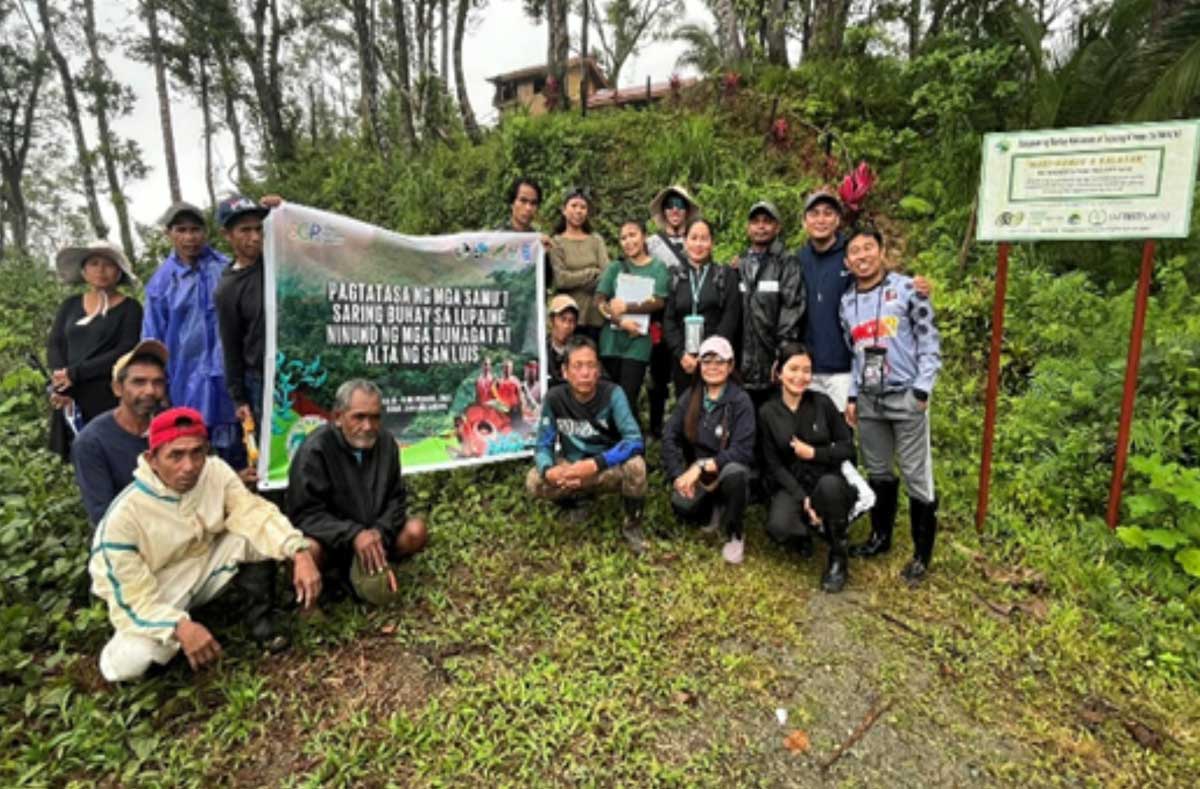
 Biodiversity conservation at the local level has been globally recognized as one of the most effective and practical approaches for achieving both short-term and long-term goals. In particular, community-driven actions of Indigenous Peoples—grounded in Indigenous knowledge, value systems and customary practices—enrich the body of information available for developing more robust and context-specific conservation instruments. These contributions highlight and strengthen the vital role of Indigenous communities in sustaining and protecting biodiversity. To further enhance Indigenous Peoples’ capacities for biodiversity conservation, training on biodiversity assessment of fauna and flora in their ancestral domain was conducted among the Dumagat and Alta, the Indigenous Peoples in San Luis, Aurora in northern Philippines. Tebtebba’s Climate and Biodiversity Program Staff, Marilyn Dela Torre, shared technical inputs during the activity aimed at strengthening the capability of participants to undertake biodiversity assessments.          Participating in the training held on February 13–16 were 25 representatives from Indigenous communities in Barangays Real, Dibalo, Dibut and Dikapinisan, along with members of Daluhay Daloy ng Buhay,  a member of the Dipaculao Egongot Tribe Association (DETA) representing the Indigenous Peoples in Aurora’s northernmost part and the Barangay Council of Dibut, the host community. The activity forms part of the ongoing implementation of the Samahan ng Bantay Kalikasan at Lupaing Ninuno (SUBKAL’N) project, supported through the Small Grants Programme Seventh Operational Phase under the funding assistance of the United Nations Development Programme (UNDP). It was led by SUBKAL’N, an Indigenous Peoples’ organization based in San Luis, which focuses on biodiversity conservation within their ancestral domain and on strengthening traditional governance and management.  The target outputs from the activity will be used for updating the Community Conservation and Protection Plan (CCPP) of Dibut ancestral domain. This local instrument serves as a living document that contains the commitments and actions targeted by the Dumagat and Alta peoples for the protection and conservation of their ancestral domains.  In addition, the activity provided an opportunity for Tebtebba to explore a possible engagement with the Dumagat and Alta peoples in Aurora, who are advocating for their rights to govern and manage their ancestral domain and strengthen their traditional governance.

Community-led action for Biodiversity Conservation: Fauna and Flora Assessment within Indigenous Peoples’ Territories in Aurora

Biodiversity conservation at the local level has been globally recognized as one of the most effective and practical approaches for achieving both short-term and long-term goals. In particular, community-driven actions of Indigenous Peoples—grounded in Indigenous knowledge, value systems and customary practices—enrich the body of information available for developing more robust and context-specific conservation instruments. These contributions highlight and strengthen the vital role of Indigenous communities in sustaining and protecting biodiversity.

To further enhance Indigenous Peoples’ capacities for biodiversity conservation, training on biodiversity assessment of fauna and flora in their ancestral domain was conducted among the Dumagat and Alta, the Indigenous Peoples in San Luis, Aurora in northern Philippines. Tebtebba’s Climate and Biodiversity Program Staff, Marilyn Dela Torre, shared technical inputs during the activity aimed at strengthening the capability of participants to undertake biodiversity assessments. 


Participating in the training held on February 13–16 were 25 representatives from Indigenous communities in Barangays Real, Dibalo, Dibut and Dikapinisan, along with members of Daluhay Daloy ng Buhay,  a member of the Dipaculao Egongot Tribe Association (DETA) representing the Indigenous Peoples in Aurora’s northernmost part and the Barangay Council of Dibut, the host community.

The activity forms part of the ongoing implementation of the Samahan ng Bantay Kalikasan at Lupaing Ninuno (SUBKAL’N) project, supported through the Small Grants Programme Seventh Operational Phase under the funding assistance of the United Nations Development Programme (UNDP). It was led by SUBKAL’N, an Indigenous Peoples’ organization based in San Luis, which focuses on biodiversity conservation within their ancestral domain and on strengthening traditional governance and management. 

The target outputs from the activity will be used for updating the Community Conservation and Protection Plan (CCPP) of Dibut ancestral domain. This local instrument serves as a living document that contains the commitments and actions targeted by the Dumagat and Alta peoples for the protection and conservation of their ancestral domains. 

In addition, the activity provided an opportunity for Tebtebba to explore a possible engagement with the Dumagat and Alta peoples in Aurora, who are advocating for their rights to govern and manage their ancestral domain and strengthen their traditional governance.


When Women Lead: Global Land Rights Movement Reaches New Heights in Labuan Bajo

When Women Lead: Global Land Rights Movement Reaches New Heights in Labuan Bajo

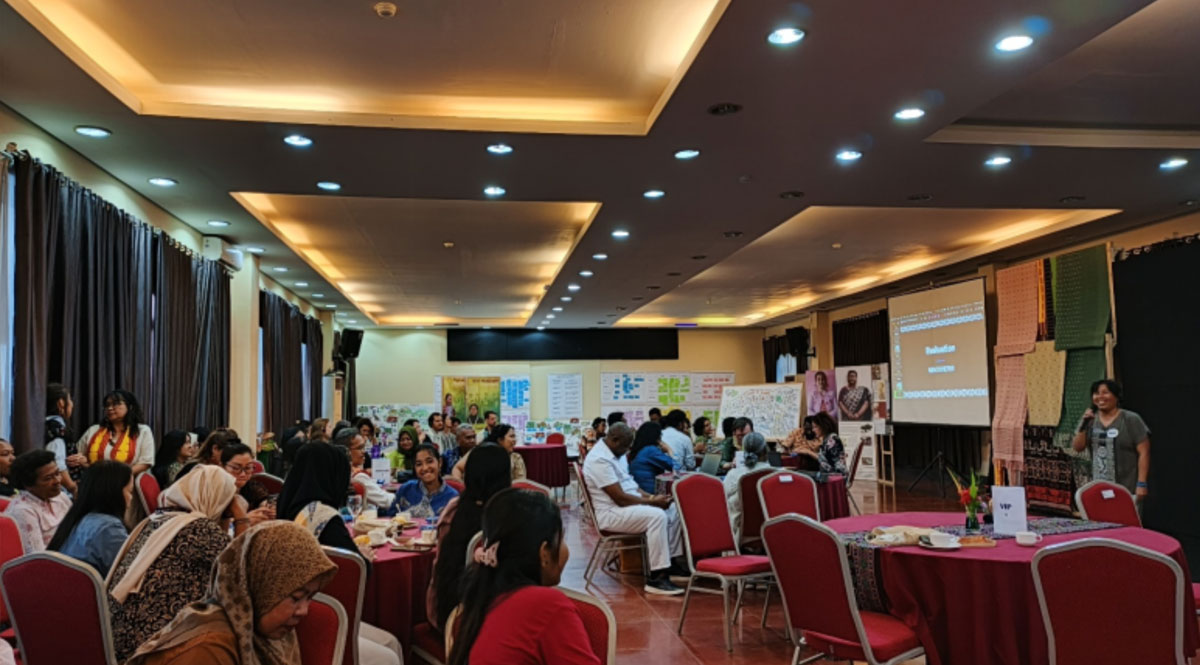
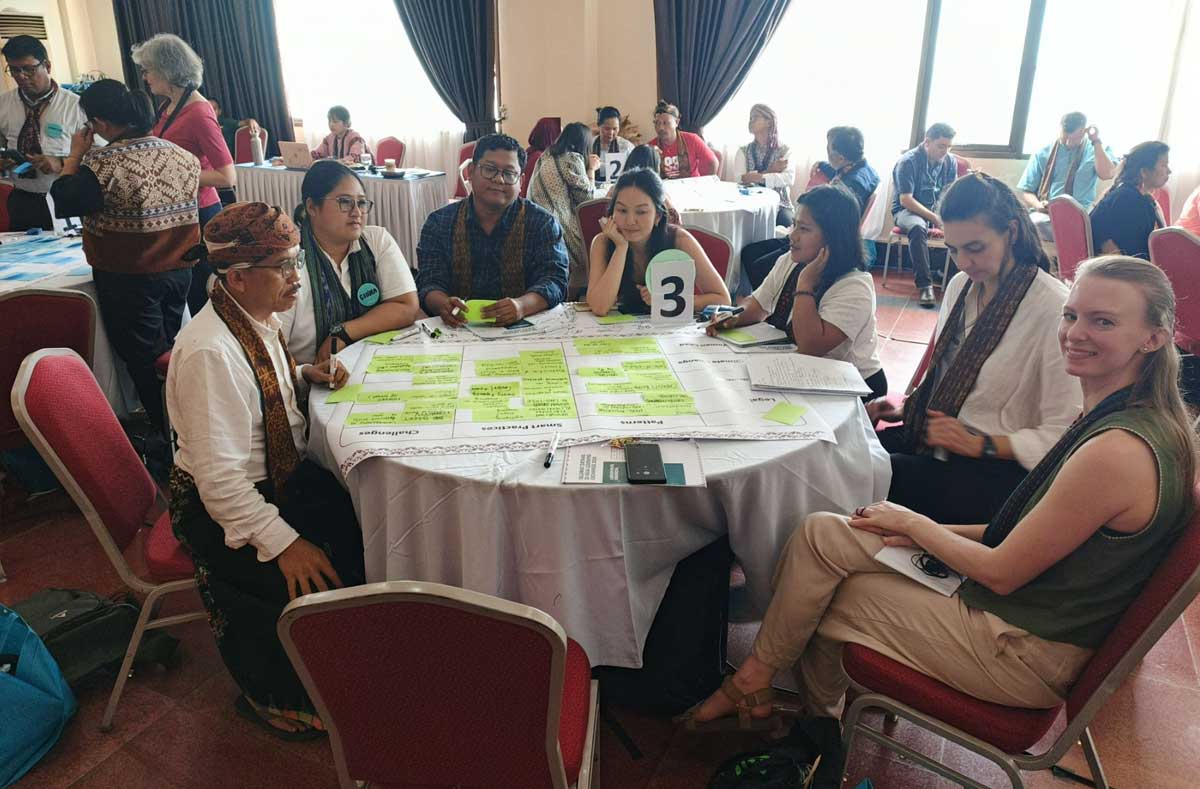
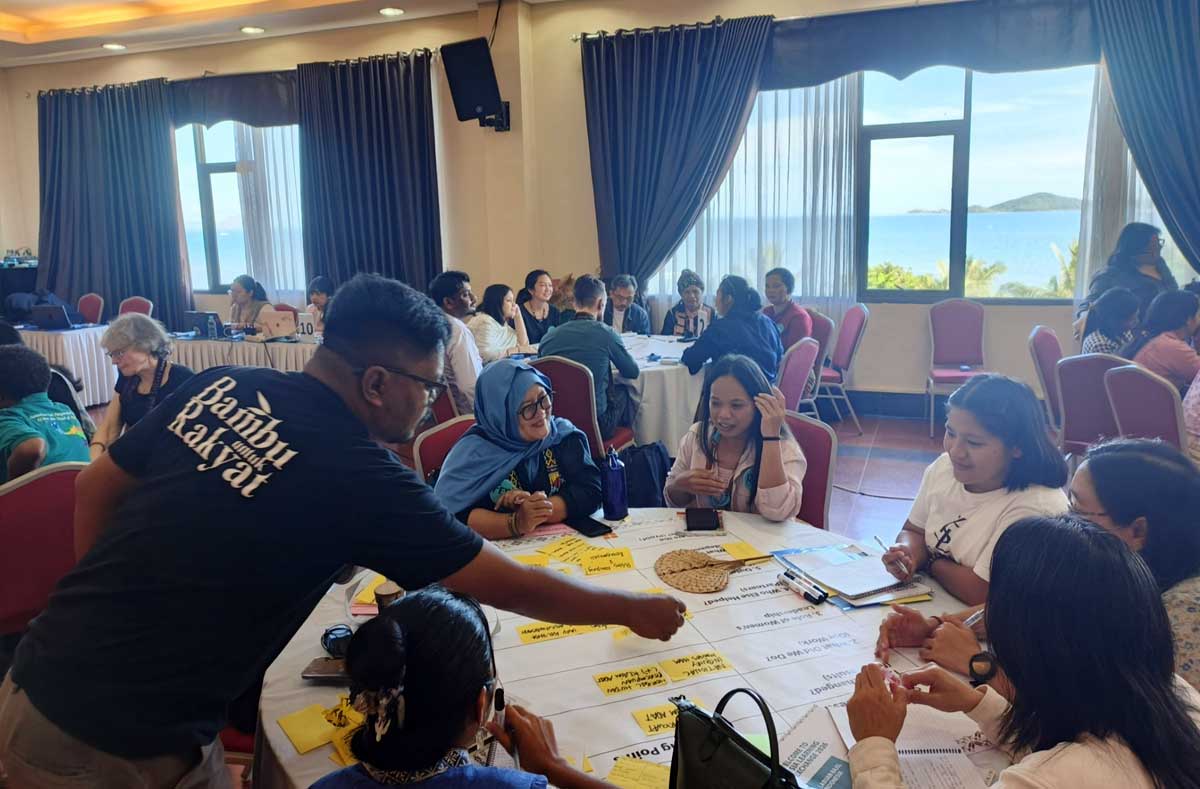
In the island town of Labuan Bajo, Flores, Indonesia, Indigenous women leaders, representatives from Indigenous Peoples’ organizations, global partners, and donors gathered to confront one of the most pressing issues facing Indigenous communities—securing rights to ancestral lands. The 2026 Tenure Facility Asia Learning Exchange, held from February 9–14 under the theme When Women Lead in the Land Rights Movement, brought together teams from Asia, Europe, and Latin America.

 The exchange opened in solidarity and spirit. Local traditional leaders led a cultural ritual to honor the land and ancestors, grounding the event in Indigenous values. To bridge international barriers, participants joined an “identity session,” each sharing a small, meaningful object from their home country to build emotional bonds and foster mutual understanding.

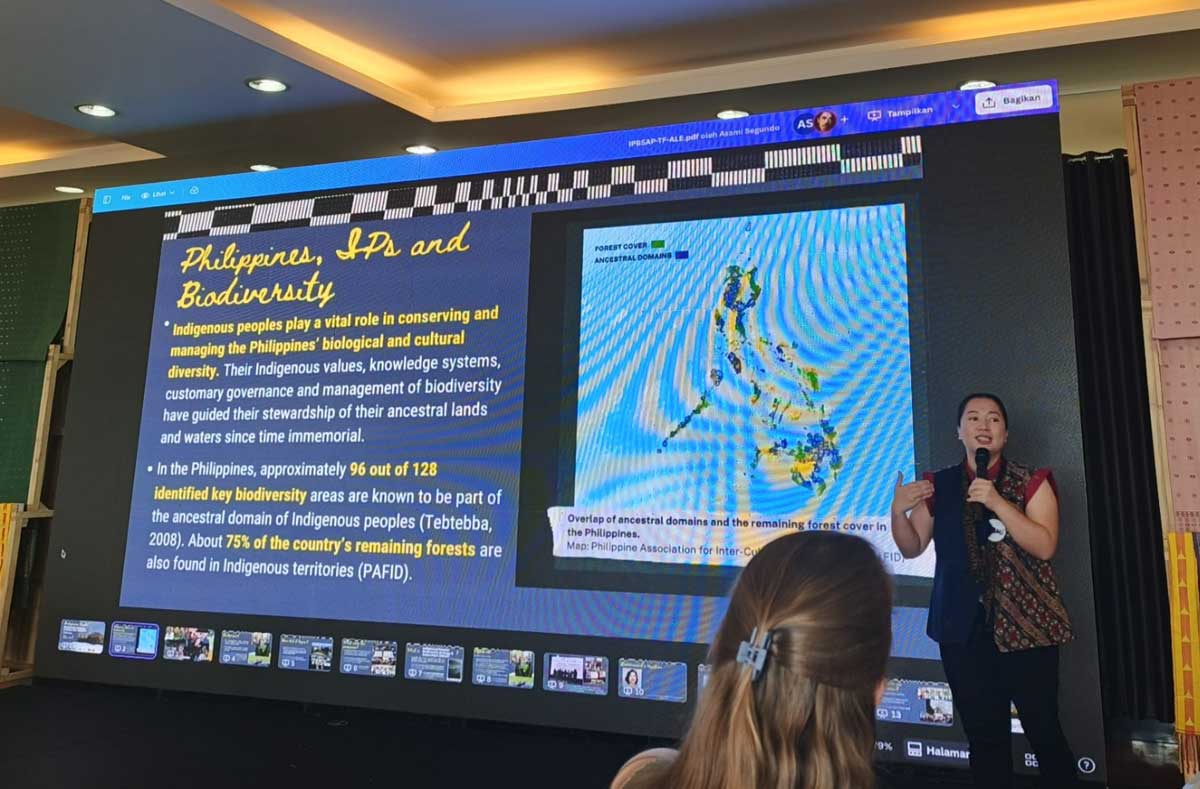
Nonette Royo and Margaret Rugadya of the International Land and Tenure Facility introduced the participants and laid out the roadmap for how communities can safeguard their lands for generations. “We are doing these—supporting Indigenous Peoples’ initiatives and learning with each other—because we are not here forever. We need to learn to do all of these together so when we are not there, you can do it on your own. Our communities can do it on their own,” Royo said. The International Land and Tenure Facility, which organized the forum, is the leading financial mechanism specialized in supporting Indigenous Peoples and local communities to secure and sustain their land and forest rights.


A major highlight of the exchange was the session on Indigenous women’s leadership opened by Mama Aleta Baun, a renowned indigenous leader and environmental activist from the Mollo region in West Timor, East Nusa Tenggara in Indonesia. The energy in the room peaked when Mama Aleta shared her real-life stories leading movements to reclaim and protect Indigenous forests where her life was constantly threatened and where she sacrificed her time with her children for this cause.

The learning exchange also featured a Pecha Kucha session blending policy advocacy efforts with grassroots reality.  Sixteen different organizations delivered quick presentations showcasing their works and initiatives in conserving forests, traditional economies and advancing women’s contribution and leadership in protecting their environments.


To make the sessions more creative, participants moved away from spreadsheets and turned the storytelling into art, creating murals, learning posters and live enactment of key details of stories to visualize how women’s leadership transforms a community before and after their land rights are officially recognized. In this session, 10 local women leaders took the stage to share personal transformations, providing a raw and powerful glimpse into the strength of the movement.

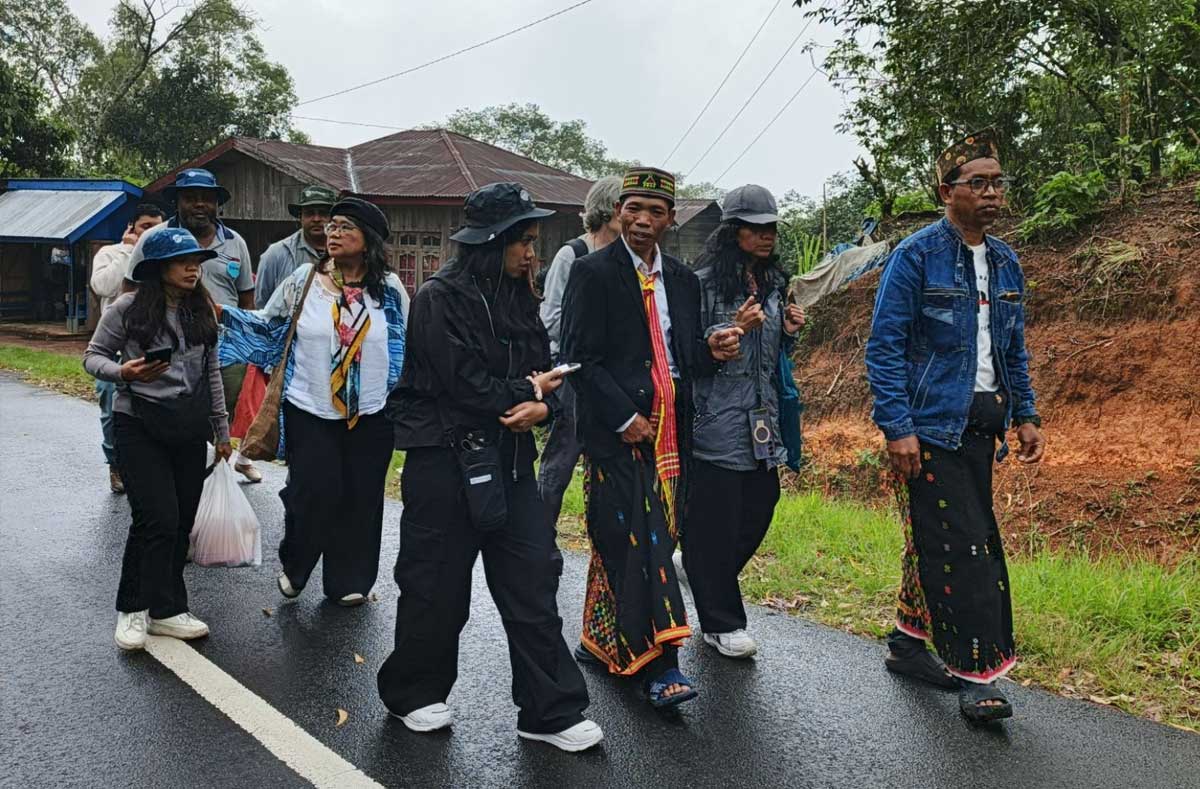
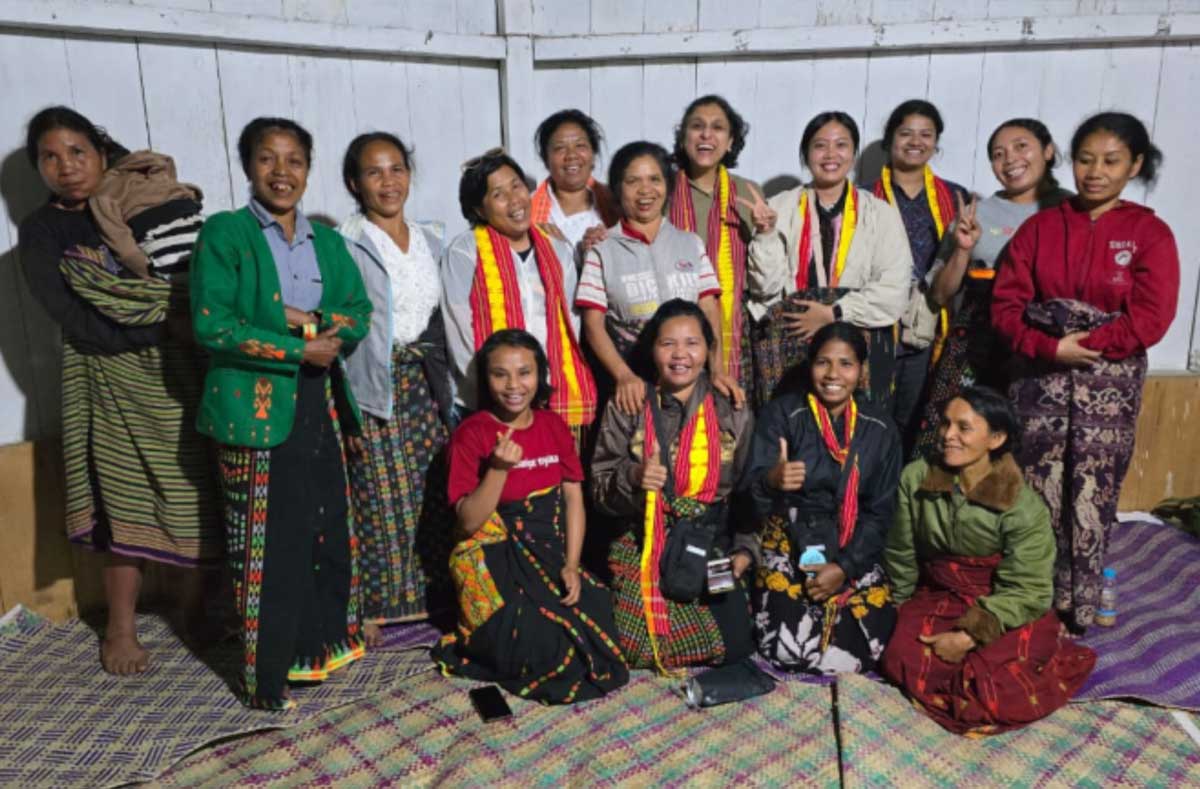
To truly understand the struggle for securing land rights, the participants left the hotels and traveled for hours—by road to the mountains of Colol and by boat to the famous Komodo islands—for a live-in program. Overnight, they stayed in the homes of local villagers, ate with host families, walked the forest paths and held community dialogues. This firsthand experience allowed donors and partners to see the daily realities, both the challenges and the beauty of life in Indigenous territories.


"Hearing the people directly at the site of their struggle builds a level of empathy that a PowerPoint slide never could," noted one organizer.

The exchange concluded with a strong show of support from Indonesian officials. A representative from the Ministry of Women’s Empowerment and Child Protection, Veronica Tan, together with Margaretha Wahyuningsih, a senior representative from The Asia Foundation who works on land and forest governance in Indonesia, expressed appreciation for the stories and reflections shared. They encouraged Indigenous Peoples and women leaders to continue voicing their stories and demands, emphasizing that consistent communication is vital so that policy and decision makers can clearly hear and act on their needs. Both assured the participants that they stand in solidarity with the movement, offering their continued support for land rights and gender equality.

Before the final farewell, the room turned to technology to capture the collective mood. Using Mentimeter, participants shared their evaluations and reflections in real-time, creating a digital word cloud of hope, leadership and a shared commitment to advancing the land rights movement. The learning exchange ended with the participants sharing gifts and appreciation messages with each other, closing the week with solidarity and gratitude.


Glimpses of the walkthrough and community visit at the Colol Village