Upong da Ilikoy conducts Knowledge-Sharing on Traditional Farming Practices

Upong da Ilikoy conducts Knowledge-Sharing on Traditional Farming Practices

The youth organization Upong da Ilikoy conducted a series of knowledge-sharing on traditional farm practices and food systems as the foundation for sustainable agriculture and community resilience in Paracelis, Mountain Province, Philippines. A key activity of its project “From roots to resilience,” three learning sessions were held from January to February among its partners in Sitios Likoy, Babba and Amolong.

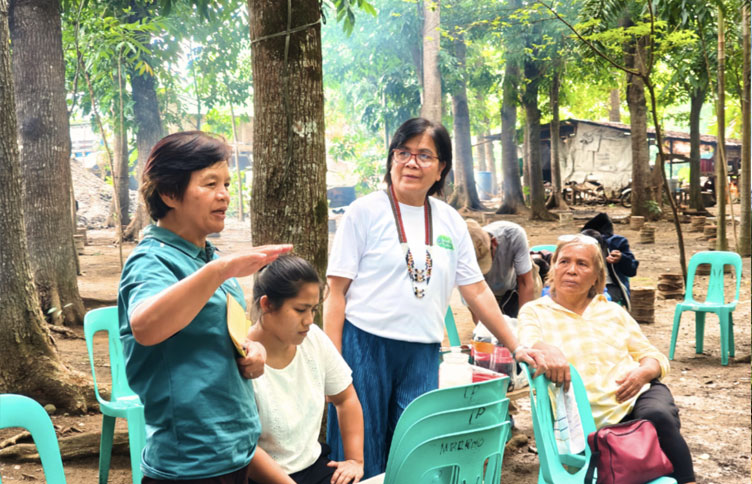
The knowledge-sharing brought together Indigenous youth, women and elders to exchange Indigenous knowledge about traditional farming techniques that have long sustained their agriculture and food systems. Topics included traditional upland farm preparation, planting, harvest, rotational and inter-cropping practices, all of which are deeply linked with traditions and beliefs.  Elders from each community shared wisdom passed down through generations and from their own lived experiences. The activity aimed to document and integrate these practices into contemporary farming approaches while also creating a repository to ensure a lasting transfer of Indigenous knowledge.


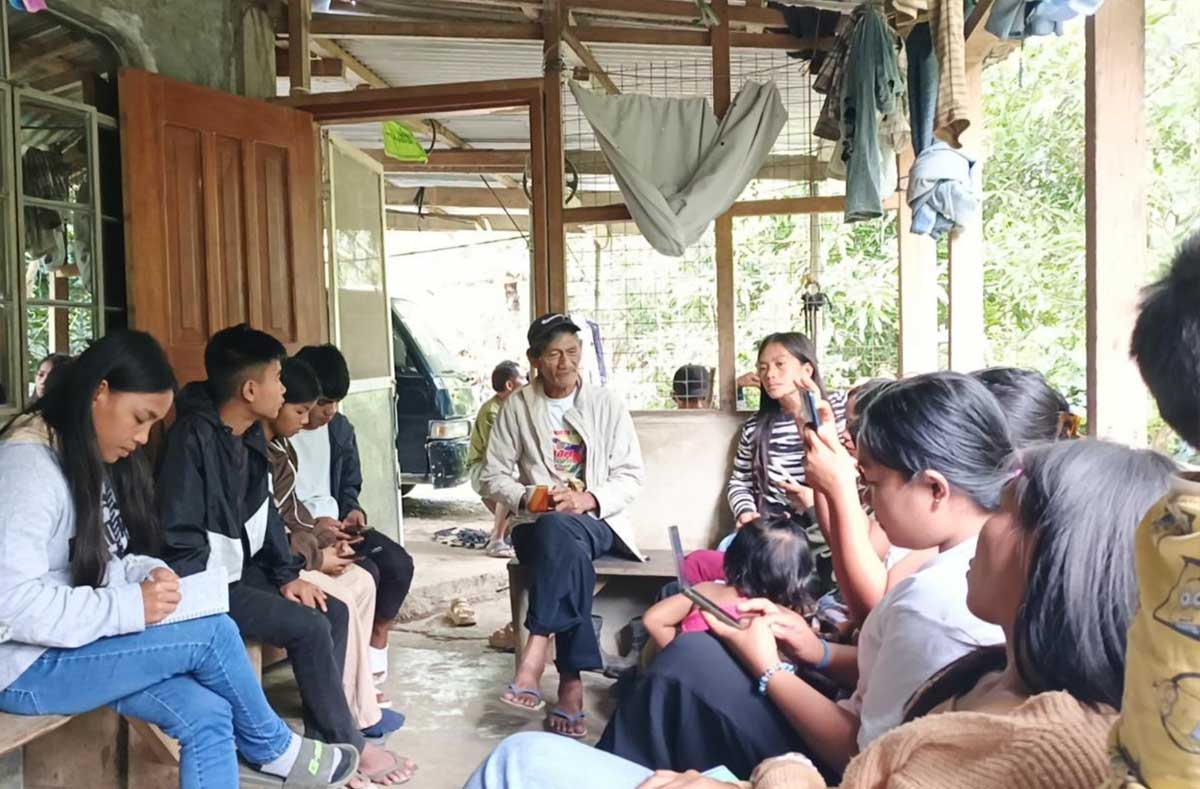
Upong members  listening to the stories of Uncle Crispin Natemtem.


The first learning session conducted in Sitio Amolong on January 24 focused on Kadaclan traditional farming practices with community elder Crispin Natemtem as the resource person. Since it covered only some of the information the youth expected to gather, another session was held in February in Obfiar, Sitio Amolong. Women elders and resource persons Francisca Sodchig and Jenelyn Aroyao noted that unlike the Likoy, the Kadaclan community has fewer traditional beliefs linked to farming, as knowledge shared by their elders mainly involved astrological sign observance and certain farming taboos.

The second session tackled Likoy traditional farming practices in Sitio Babba, with Dionesia Dayag, Josephine Belowan and Cornelia Dayag as resource persons. The activity was attended by some village members, youth from both Likoy and Babba, and members of the Amolong women's group. 

The final session on February 7 in Sitio Likoy similarly revolved around the traditional farming practices and food systems of the Likoy people. Elders shared that the community has many traditional beliefs across different farming seasons, including food storage practices. The session was attended by youth and some community elders, including members of the Inapinan Farmers Organization, Inc. (IFOI).

Elders showed support for the youth-led project, answering questions from members and facilitators. Fidel Salipan, IFOI chairman, pointed out that the initiative not only serves the project's youth and women partners but also their organization whose members now rarely engage in traditional farming. Through the learning sessions, they were able to reminisce about their past practices including their own farming terminology.  Noting that few elders practice the traditional ways and the influence of religion, the youth have little or no idea of how life was in the past and how their ancestors had sustained their land and communities.

The knowledge-sharing however centered not only in remembering the past but also in strengthening resilience to current agricultural challenges. By revitalizing traditional farming practices, participants aimed to move forward and build a resilient community that works together to sustain traditional and organic farming while safeguarding the community’s cultural heritage.


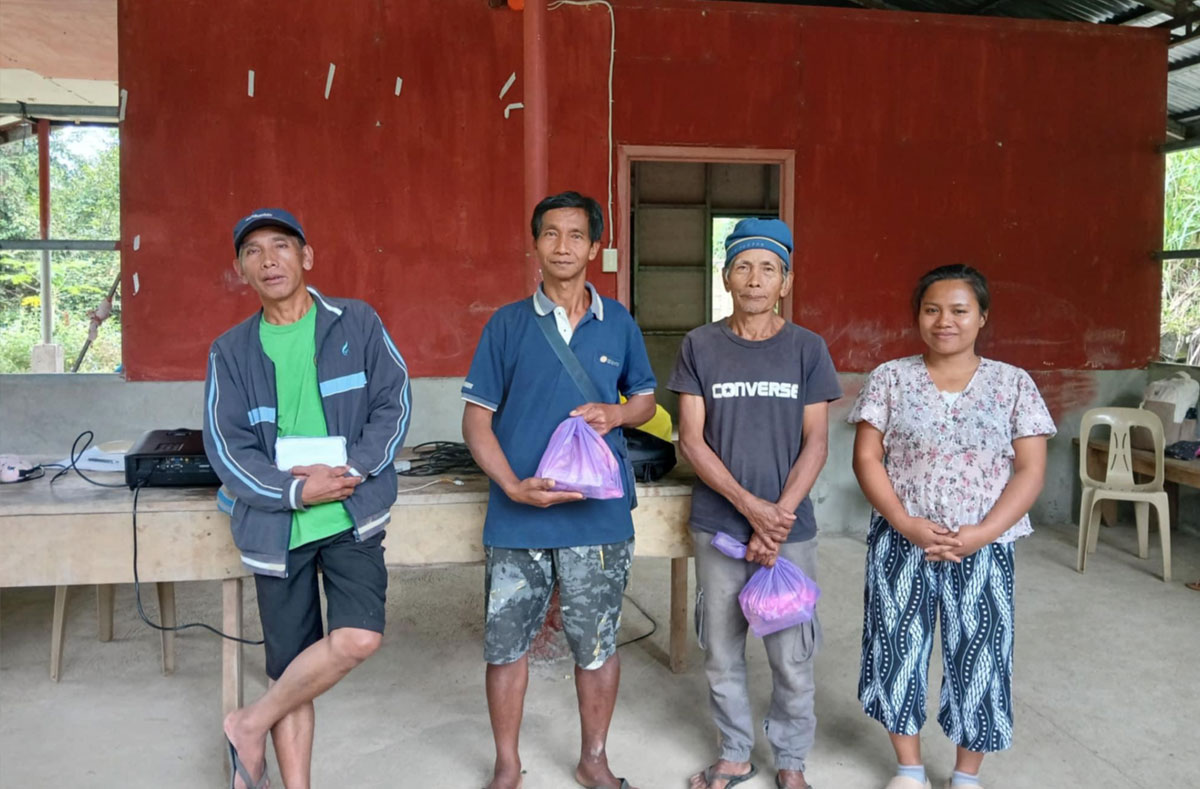
Likoy elders—Anthony Dawagan, Fidel Salipan and Jerome Dawagan—joined by session facilitator Lorza Banawag, receive tokens of appreciation by the Upong for the elders’ time and knowledge.


Remarking that Upong is a word of respect among the younger generation, community leader Anthony Dawagan said, “It is therefore expected that participants will continue to uphold respect for beliefs rooted in traditional farming practices, while also striving to balance traditional with modern organic approaches.”


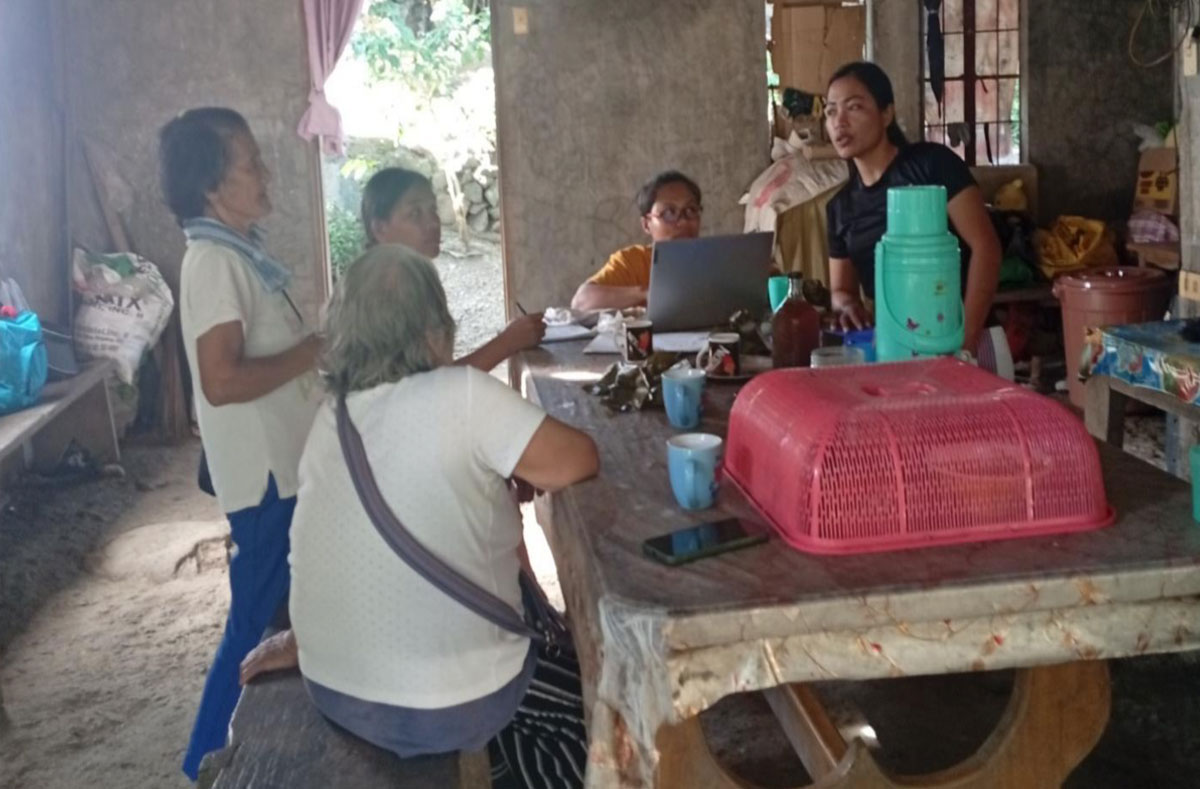
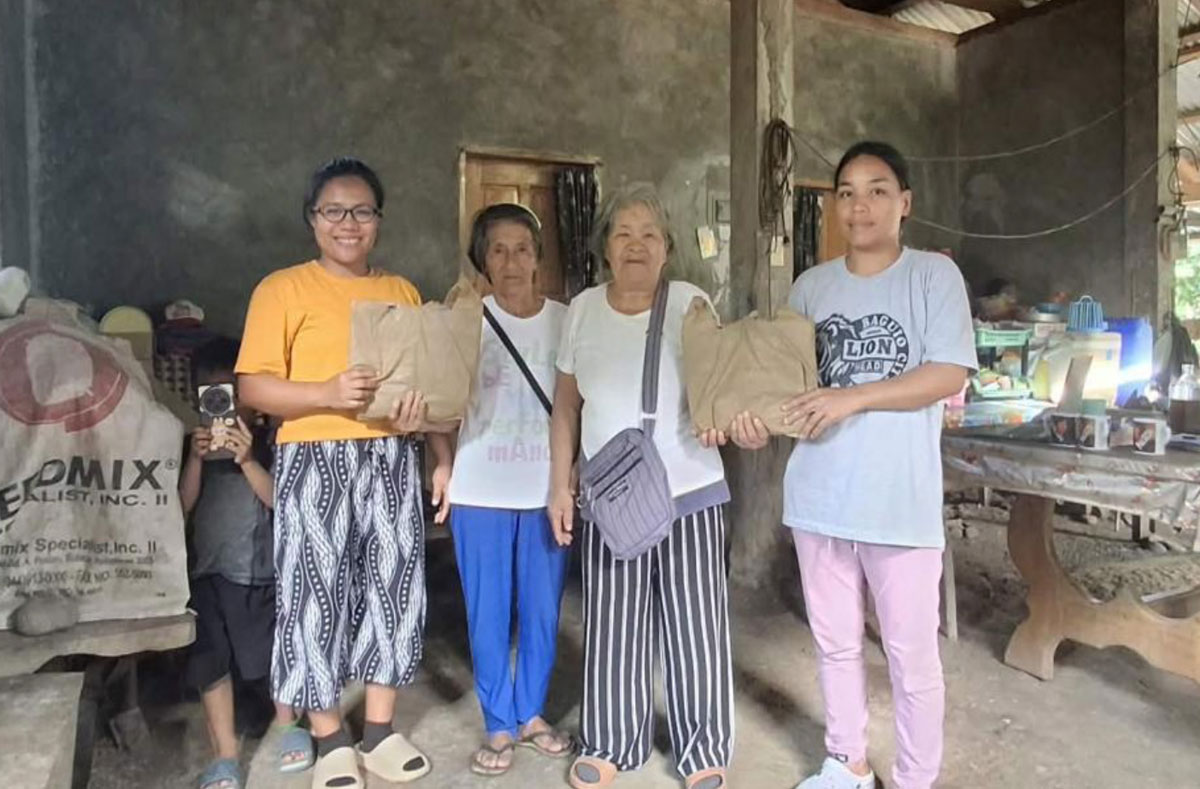
Community members enjoy catching up after the learning session in Obfiar, Amolong on February 15.

Reviving the Sulagad and Healing the Mother Earth for Our Future

Reviving the Sulagad and Healing the Mother Earth for Our Future

This was an interview of Titay [Deputy Chieftain] Allan Olubalang of TJG conducted on December 17, 2025 in Langkat Itu, Looy, South Upi, Maguindanao del Sur, with contributions from Timuay Labi [Supreme Chieftain] Leticio Datuwata of TJG.

“From dependence on corn growing, agro-chemicals and debts, we now grow our food and earn income from the sales of our farm products. We began in 2022 to undertake actual work in reviving the sulagad, the Indigenous farming system of the Teduray and Lambangian peoples, through a cooperative. We learn and work together to produce our own organic fertilizers to grow the traditional crops that our ancestors cultivated. We raise chickens, pigs and cows. Recently, we started inviting our neighboring communities to join us in reviving our sulagad.”

In the 1970s, logging companies permitted by the state deforested the territories of the Teduray and Lambangian peoples in Maguindanao de Sur, Mindanao, Philippines. Some of the companies’ workers reclaimed the over-logged lands at a time when Masagana 99, a government agricultural program aimed at rice self-sufficiency, was at its peak. They adopted commercial corn production, which came with agro-chemicals and external financing. By the 1990s, people were forced to use their lands as loan collateral. Consequently, some farmers began selling their lands by the 21st century. Poverty remained widespread as families lacked food security and stable income.

As early as the mid-1990s, the Késéfanangguwit Timuay or Timuay Justice and Governance (TJG), the community’s customary government, called for the revitalization of the sulagad,  which integrates short- and long-term crops with forest trees and animal raising. They saw this as a key solution to farmers’ poverty.


“I completed my bachelor’s degree in 2015 and joined the advocacy work of our leaders for the revival of sulagad. We campaigned relentlessly, even beyond our territories. In 2022, together with a few women and youth, we began the actual work in Sitio Senamflidon and Sitio Langkat Itu of Looy, South Upi, Maguindanao del Sur. We revived the sulagad in our home gardens, slowly expanding our farms and reaching neighboring villages. We produced our own organic fertilizers and planted diverse traditional crops. We sought supporters, and the United Nations Food and Agriculture Organization (UNFAO) provided a compost facility, which enabled us to increase our membership. We also acquired a building, providing space for training and equipment from the Ministry of Agriculture, Fisheries and Aquatic Resources (MAFAR). This strengthened our capacity to produce more organic fertilizers to restore soil health and fertility. Today, we supply safe and healthy food to two schools through the Home Grown School Feeding Program (HGSFP), in partnership with the World Food Programme (WFP) and the Ministry of Basic, Higher, Technical and Education (MBHTE).

We still have much to do. We need to produce more bio-solutions to restore soil health and expand our restoration efforts. Our vision is to make this community a training center for bio-solution production and an educational hub for the exchange of knowledge, bringing together the wisdom of our ancestors in agriculture and the present-day science of agroecology.”

Ganak da Ilikoy: A Community-Driven Journey Towards Ancestral Domain Recognition

Ganak da Ilikoy: A Community-Driven Journey Towards Ancestral Domain Recognition

In the heart of Paracelis, Mountain Province in the Philippines, a quiet yet determined journey has been unfolding. For the people of Licoy, securing their certificate of ancestral domain title (CADT) is not only about legal recognition—it is about safeguarding their history and culture, recording Indigenous knowledge systems and practices (IKSPs), preserving genealogical memory and ensuring a future for generations to come.

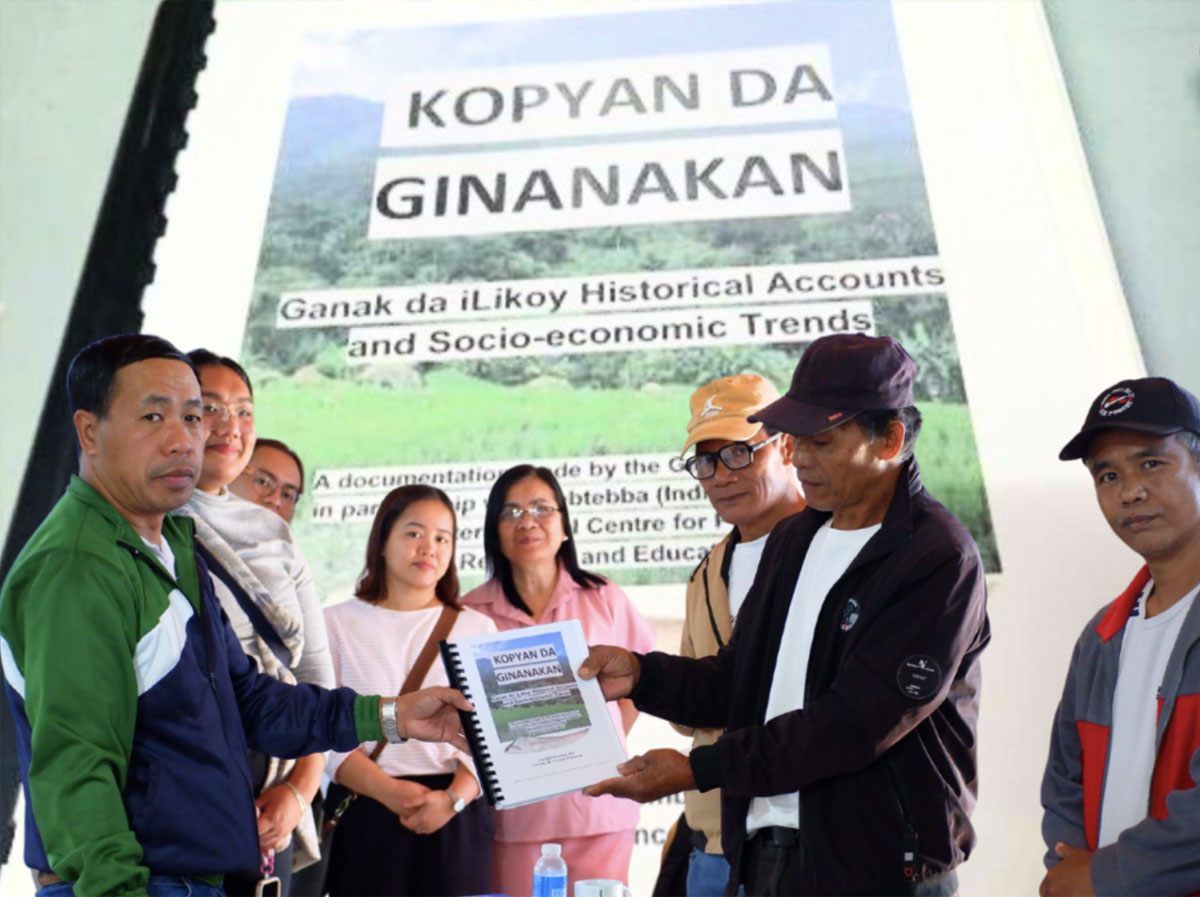
The research documentation entitled Kopyan Da Ginanakan was designed as a “recipe” for the Indigenous Likoy people’s CADT application, assembling everything from demographic data and genealogical histories to settlement records and livelihood profiles. But the process went beyond documenting facts. It sought to establish a baseline community profile that the Likoy people could use not only for their CADT application but also as a foundation for future development plans. Secondary data from local government units, health workers and disaster offices were also integrated, making the documentation both comprehensive and practical for governance and advocacy.

At the forefront of this effort is the Ganak da Ilikoy research documentation team, a painstakingly crafted body of work that has taken more than a year and a half to complete. Far from being just an academic exercise, the research has become a collective story of struggle, resilience and community ownership. The project was carried out in partnership with Tebtebba’s Philippine Program team.

Yet the work was never confined to researchers alone. Volunteers from the Indigenous community served as encoders and enumerators, elders as knowledge bearers and entire households took part in surveys and focus group discussions. Even when communication barriers arose–many elders had only basic phones or lived in areas with no signal–the community and the researchers found ways to bridge the gap.

The journey formally began in June 2022 with conceptualization, workshops and preparation of instruments. From June to December 2023, the team carried out data gathering, followed by validation and presentation of findings in 2024. Now in its final stages, the manuscript is being polished and will soon be turned over to the community for use in their CADT application. For many, it feels like they are coming close to resolution, though the road ahead remains long.

Into the Scope of the Journey

Fieldwork was as challenging as it was rewarding. Reaching barangay Licoy and its sitios, Babba and Bunot, in Paracelis required seven to eight hours by van or up to twelve by bus from Baguio City, followed by rough, winding roads and nearly an hour on foot. For the team, travel was a test of patience, but the long journeys also symbolized the distance the community was willing to go to protect their ancestral domain.

The methodology combined household surveys, key informant interviews and focus group discussions. Weekly meetings with elders ensured that no decision was made without the input of free, prior and informed consent (FPIC) of community representatives and leaders. Challenges included recruiting qualified enumerators and encoders, overcoming language barriers and addressing poor communication lines. These were resolved by using Ilocano as the common language, exercising patience and relying on personal visits when calls could not go through.


Community participation was overwhelmingly positive. Committees were formed voluntarily, local government offices readily shared secondary data and several validation sessions were held, including inside Tebtebba’s office where staff helped identify research gaps and technical inconsistencies to be addressed.

By June 22, 2024, the findings were formally presented to Licoy’s community leaders in Marat, Poblacion, Paracelis, Mt. Province. The event served not only to share results but also to reflect on lessons, address gaps and articulate the community’s vision moving forward.

In February 2025, the Tebtebba research team submitted an initial manuscript to the National Commission on Indigenous Peoples (NCIP) Paracelis–Natonin–Barlig (PANABA) officials through a courtesy call, marking another step toward advancing Licoy’s CADT application.


Beyond Documentation

For the Licoy community, the research is not an end in itself but a means to secure what has always been theirs. The CADT application represents both a legal and symbolic milestone under the Indigenous Peoples’ Rights Act (IPRA).

While the local NCIP and local government unit (LGU) initially proposed a consolidated CADT for all sub-tribes in Paracelis, Licoy stood firm in pursuing their own. Opposition from other groups only strengthened their resolve to complete independent documentation. As Garambas emphasized, “We encouraged them to participate for the benefit of their community. It is their community that will benefit most from the research output,” she said.

The process also laid the groundwork for community strengthening. Among its outputs is a muscovado processing center, a livelihood project directly tied to the research findings. Though not yet fully operational, it reflects the community’s vision of linking the pursuit of ancestral domain rights to tangible economic empowerment.

Still, challenges remain. The financial requirements for CADT processing are steep, estimated at nearly nearly ₱500,000 — equivalent to about $8,300. Yet the community is committed to moving forward, combining their baseline data with feasibility studies and livelihood planning to sustain their vision.

On Journey’s End

As the Ganak da Ilikoy research nears completion, its greatest achievement may be the sense of ownership it has fostered. The documentation is not just a requirement for CADT—it is a living record of a community’s unity, history and aspirations.

The road to full ancestral domain recognition is still long and winding, much like the paths to Licoy’s sitios. Yet with their own data in hand and their people strengthened by the process, the Licoy community has already traveled a significant part of the journey, together.

This research and the CADT certificate will not only help in asserting land rights but also serve as a foundation for economic independence, stronger community governance and comprehensive socio-economic development. True to the principles of FPIC and Indigenous Peoples’ sustainable and self-determined development (IPSSDD), it reflects a human-rights-based approach to research and advocacy, anchored in community will, participation and dignity.

The research documentation is supported by Tebtebba Foundation, Inc. and funded by SwedBio.

 Jewel in Pohon Jae Forest: The fight for Tano of the  Toba Batak in Indonesia

Jewel in Pohon Jae Forest: The fight for Tano of the Toba Batak in Indonesia

"Kami tidak takut; kami akan terus berjuang dengan berani demi hak kami atas tanah ulayat dan melindungi hutan kemenyan kami hingga titik darah penghabisan."  

(“We are not afraid; we will continue to fight courageously for our rights to our ancestral land and protect our kemenyan forest until the very end.”)

— Manogu Simanjuntak, local organizer and youth division leader of the Onan Harbangan community

Journey to Nagasaribu    

We arrived in Nagasaribu, Onan Harbangan community, in the village of Pohon Jae, North Tapanuli Regency, North Sumatra, Indonesia at around 10:30 AM on September 10, 2024. Nestled at the top of a mountain, it is a beautiful place, though the journey takes about three to four hours by car from the office of the Kelompok Studi dan Pengembangan Prakarsa Masyarakat (KSPPM), or Study Groups and Development of Community Initiatives in Girsang Sipangan Bolon Sub-district, Simalungun Regency, North Sumatra. Together with KSPPM staff, we came to monitor Project 2763, an International Fund for Agricultural Development (IFAD)-funded project under the Indigenous 


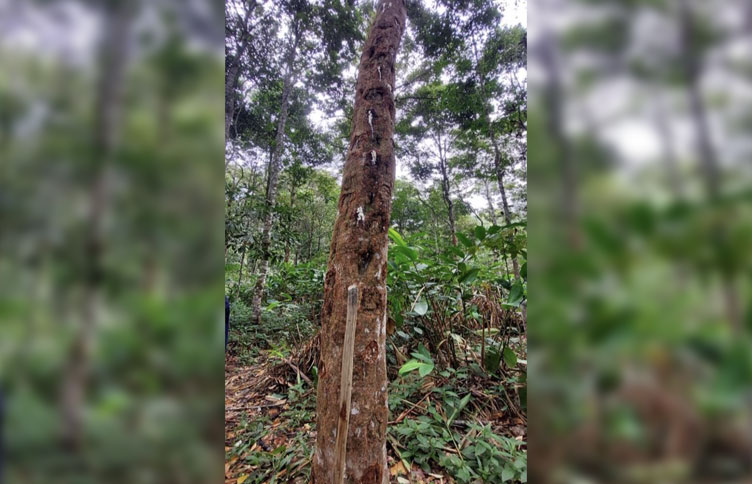
Manogu, inside the Kemenyan Forest.


Peoples Assistance Facility (IPAF) Cycle 6, co-managed by Tebtebba Foundation, Inc., benefiting the Toba Batak who are the Indigenous Peoples living there. 

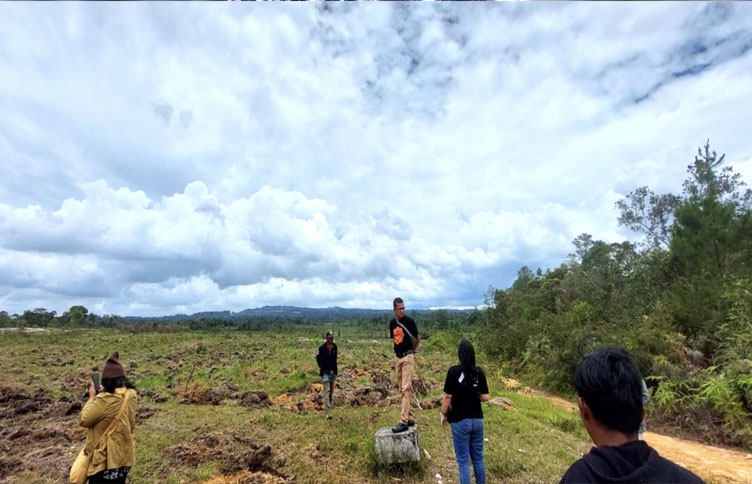
Upon arrival, we were directed to the forest areas, about a 30-minute ride from the village center. Along the way, I observed muddy roads and traces of flooding and landslides as we passed through eucalyptus plantations. In the vast landscape, many eucalyptus trees had been uprooted. I was told this was part of the reforestation efforts of the Toba Batak who are replacing eucalyptus with benzoin trees.

After a while, we reached our destination and walked deeper into the customary forest. Inside stood the kemenyan trees (benzoin trees) — the tree of life for the Toba Batak of Onan Harbangan Indigenous community. Beneath these trees, community members began sharing their narratives.

The Toba Batak of the Onan Harbanagan Community 

The Onan Harbangan community (a Bahasa term for “traditional trading village”), populated by the Toba Batak, is located in Nagasaribu, a sub-village of Pohon Jae in North Tapanuli Regency, North Sumatra, Indonesia. Some studies indicate that the Toba Batak belong to the Austronesian ethnic group, originally inhabiting the uplands surrounding Lake Toba. They are known for their well-established culture deeply tied to land and nature — an identity shared by Indigenous Peoples worldwide. The community is composed of 87 families (586 individuals) — 325 women and 251 men. According to KSPPM, the Toba Batak have lived in this community for 14 generations, claiming the area as their ancestral domain.

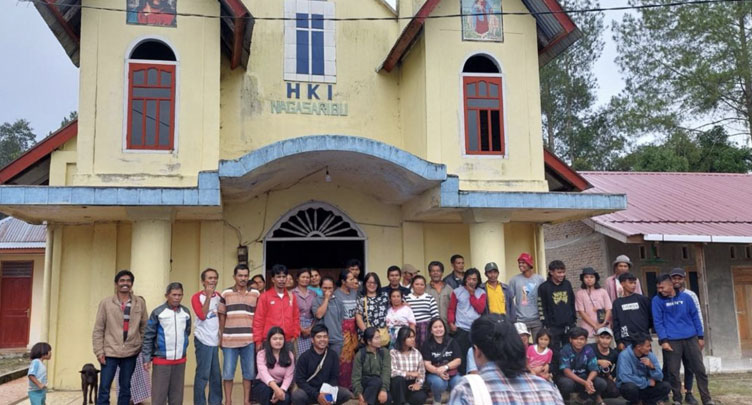
Historically, Dutch missionaries in the 19th century had a profound influence on the religious character of the Toba Batak, shaping much of their present-day identity. This influence remains evident in the fact that community members are predominantly Protestant Christians. It is a prayerful community: they offer prayers before meals and before and after meetings, usually held in their church, Huria Kristen Indonesia (HKI). One of the village leaders, who actively facilitated the meeting, is a pastor. Despite their Christian faith, the community  continues to uphold Adat customs — the Bataks’ customary laws and practices, while maintaining socio-cultural and political organization through the marga or the Toba Batak’s clan system. Ms. Delima, Executive Director of KSPPM, shared that her surname, Silalahi, is one of the prominent clans of the Toba Batak in North Sumatra.


The Toba Batak in Nagasaribu, Onan Harbangan in front of their Church.


Economically, Onan Harbangan depends on the benzoin (kemenyan) tree, an endemic tree in Tapanuli in North Sumatra. They also cultivate staple crops such as rice, corn and yams, and raise buffalo, chickens and pigs. Customary rules govern daily life, shaping both social interactions and engagements with the natural environment. As reported, the community is highly resilient: they maintain their cultural identity and ancestral connection to Lake Toba, while also welcoming modernization and tourism in the North Sumatra region.

Kemenyan Tree – The Tree of Life for the Toba Batak 

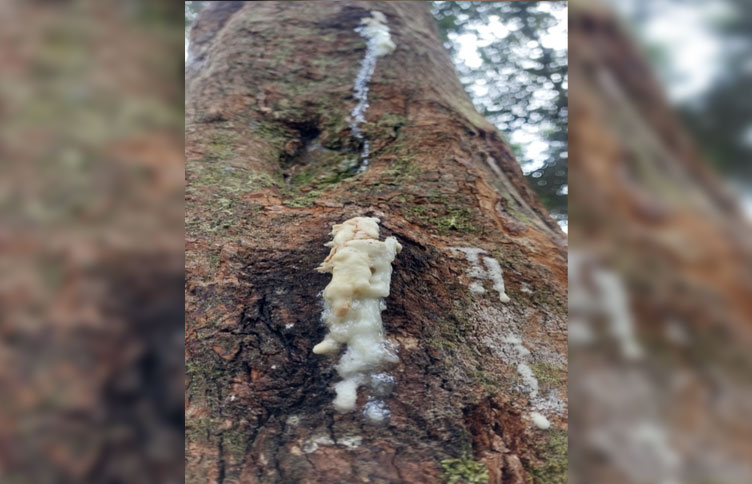
The benzoin tree (Styrax benzoin Dryand. with local/common name kemenyan) is endemic to North Sumatra and central to the livelihood of the Toba Batak. For generations, it has been a vital source of cash income, significantly contributing to the community’s economy. The tree produces resin, also called sap or gum, through its bark, which is harvested and marketed. 


A Benzoin tree in the Kemenyan forest.


Benzoin is sometimes referred to as gum benzoin, gum Benjamin or storax. Its resin is widely used in incense making and perfumery, and in cosmetics and certain medical applications. In medicine, benzoin is used as an adhesive to secure wound and catheter dressings, and it is available in sterile preparations. 

Morphologically, the benzoin tree can grow up to 34 meters tall, with a trunk reaching 100 centimeters in diameter and numerous branches. It has a taproot system supported by strong lateral roots, allowing it to anchor firmly into the soil. Benzoin thrives naturally in mixed primary forests with nutrient-rich clay soils at elevations between 100 and 1,600 meters above sea level, commonly within diverse tropical forest ecosystems. 

While the benzoin tree is easily recognized for its economic and pharmaceutical value, its ecological benefits are equally significant. It helps maintain ecosystem balance, sequesters carbon to combat climate change and stabilizes soil with its strong root system, preventing erosion and conserving biodiversity. Beyond these contributions and benefits, benzoin rehabilitates degraded land, improves soil fertility and provides wood for domestic use.


A good quality benzoin sap/resin.


Economically, benzoin resin is the community’s primary source of cash. Prices per kilogram vary by quality, ranging from 75,000 IDR (≈ USD 4.48) for lower grades to 300,000 IDR (≈ USD 18) for the highest quality (based on an exchange rate of 16,750 IDR/USD). A farmer can harvest about one kilogram of resin from a single mature tree per cycle, and 1,500 trees can yield approximately 150 kilograms annually. Resin can be harvested four months after making indentations in the bark. This provides substantial income for the community, and if scaled, the kemenyan forests could contribute significantly to the national economy.

Indeed, the benzoin tree is more than a source of livelihood; it is a tree of life, a cultural and economic jewel for the Toba Batak people.

The Historic and Persistent Fight for Land Rights 


The customary land (tano in Bahasa) of the Toba Batak in Onan Harbangan covers 2,508 hectares. According to KSPPM, the Indonesian government had earlier categorized the entire ancestral land of the Toba Batak in Harbangan as a state forest area. In 1992, it granted a concession license to PT Toba Pulp Lestari (TPL), a pulp and paper company. At that time, villagers were powerless to oppose the government, particularly as TPL, backed by police and some officials, threatened and intimidated them.

Records show that this prominent pulp company in North Sumatra was founded on April 26, 1983, by Sukanto Tanoto, under the name PT Inti Indorayon Utama Tbk. It was listed on the Indonesian Stock Exchange on June 18, 1990, and later renamed PT Toba Pulp Lestari Tbk during restructuring in 2000-2001. As of October 31, 2025, the majority shareholder is Allied Hill Limited, based in Hong Kong, holding 92.54% of shares. Allied Hill Limited is owned by Everpro Investments Limited, reportedly controlled by a Singaporean businessman. TPL’s headquarters are in Medan, North Sumatra, with operations concentrated in Toba Regency. Its plantation and facilities cover approximately 58,392 hectares, including 44,544 hectares of industrial forest plantations and 13,848 hectares managed with third parties.

Since 1987, TPL has faced accusations of environmental pollution, deforestation and worsening natural disasters such as floods and landslides. Its operations have been linked to three major disasters in Sumatra: landslides in 1987 caused by road construction that destroyed farmland and claimed lives; a sewage burst during production testing that polluted the Asahan River; and, most recently, severe floods and landslides in December 2025. The company has consistently denied these allegations, claiming compliance with sustainable forest management principles. Beyond environmental concerns, TPL has also been embroiled in long-term land disputes with Indigenous communities, including Onan Harbangan.

After more than two decades of consolidation, and with support from social development groups like KSPPM, the Toba Batak of Onan Harbangan began to reclaim their ancestral land from TPL in 2016. In February 2022,  the Indonesian government issued Customary Forest Decree No. 340/MENLHK-PSKL/PKTHA/PSL.1/1/2022, recognizing and declaring 1,586 hectares as customary forest for the community, of which 300 hectares have been converted into a eucalyptus tree plantation.  For the Toba Batak, the destruction of the kemenyan forest represents the destruction of Indigenous lands, resources, ecosystems and food systems. It means loss of income from benzoin resin, loss of clean and safe water due to chemical pollution, loss of biodiversity and loss of medicinal plants.

It is against this backdrop that Project 2763 in partnership with IPAF-IFAD — “Economic, Social and Cultural Rights Fulfillment through Strengthening the Sustainable Governance of the Customary Territories of the Indigenous Peoples of Onan Harbangan,” spearheaded by the KSPPM, was designed, consistent  to   the Toba Batak’s philosophy, “Tano do marga, marga do tano,” which means “Land is clan, clan is land”.  The project intends to contribute to the restoration of the customary forest based on Indigenous systems of knowledge and management to address environmental challenges while ensuring the sustainability of the community’s food systems. Specifically, one project component is to restore  polyculture through agroforestry  in at least 20 hectares of the 300 hectares. converted into eucalyptus plantation, through reforestation with kemenyan trees, frankincense, rattan, meranti, sampinur, and ingul, among other traditional species. As of the project visit, eucalyptus trees were being uprooted and replaced with kemenyan trees.  The community has also started vegetable and rice farming,  and cultivation and propagation of  fruit and coffee trees.   

In the latter part of 2024, however, tensions between the Onan Harbangan Community and the PTL company escalated due to the latter’s encroachment in the project area.  The situation came to a head in January 2025 when hundreds of TPL workers, escorted by security personnel armed with batons, attacked Toba Batak members who were guarding their customary territory. The confrontation turned violent, resulting in injuries to villagers and sparking a legal dispute.  The company had set up guard posts and cut off community access to the benzoin forest by digging a large hole in the road connecting the settlement to the forest. For more than three months, the daily routine of the community members has been reportedly monitored by drones operated by the company aside from reports of  harassment. This has prevented community members from attending to their farms and to the Kemeyan forest, and a temporary  restriction of project activities.

The situation necessitated the mobilization of support from the broader civil society. Joint and persistent networking and advocacy efforts by  the Onan Harbangan  community and the KSPPM  resulted  to solidarity  actions from churches, academics, students and non-government organizations (NGOs) urging the government to protect the Indigenous community, facilitate  community access to the frankincense forest, call on  police action to  address the reported  human rights violations  committed by the company, and ultimately call for the shutdown of the company. 

By the end of 2025, severe flash floods and landslides struck Sumatra and Tapanuli, highlighting the devastating environmental impacts of unsustainable land use. In response, the Indonesian government revoked the Environmental and Forest Utilization Permits of TPL. This decision was welcomed by the Onan Harbangan Indigenous community, as it has created a safer and more secure environment for them to access, manage and carry out activities within their traditional territories.

Reflecting on their journey, Manogu Simanjuntak noted that the community has stood together and fought steadfastly the whole time. The unity, courage and perseverance of the Toba Batak people, combined with the unwavering support of KSPPM through the IPAF 2763 Project, have brought them closer than ever to achieving justice and securing their land rights after decades of struggle.  The best is yet to come as the Toba Batak continues to  strengthen their agencies through the project with the KSPPM.

Centering Indigenous Peoples in Sustainable Development: Reflections from HLPF 2025

Centering Indigenous Peoples in Sustainable Development: Reflections from HLPF 2025

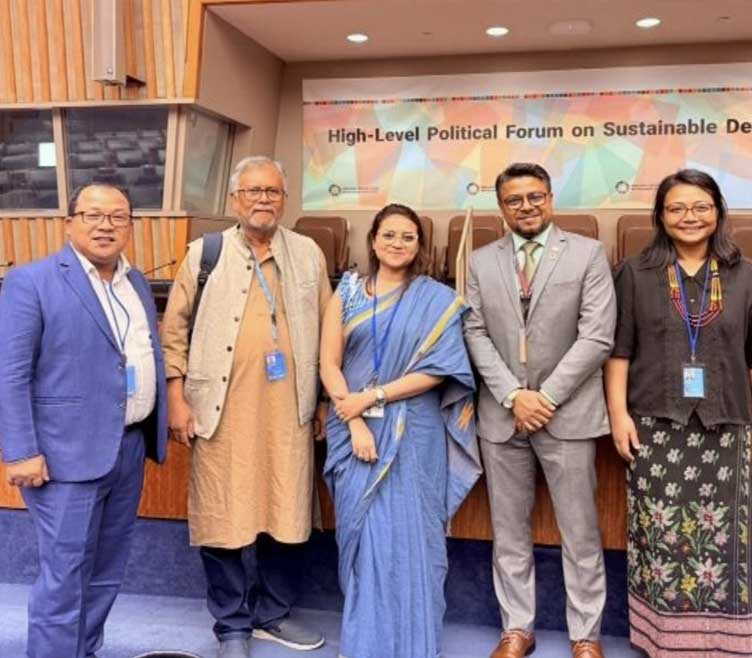
It was a privilege to participate in the 2025 High-Level Political Forum  on Sustainable Development (HLPF), held from 14–23 July 2025 at the United Nations Headquarters in New York. I attended the event with the support of Tebtebba Foundation, Inc. and I am grateful to their team for their continuous support and cooperation.  

I began my journey from Bangladesh on 13 July 2025 and arrived in New York on 14 July 2025, despite experiencing significant illness during the flight. Thankfully, I was able to recover enough to join the sessions from 15 - 18 July 2025.  

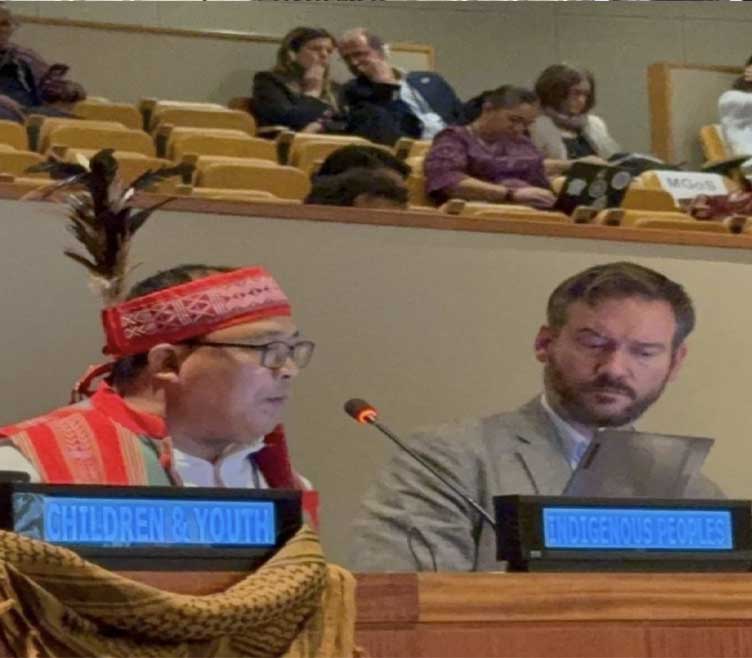
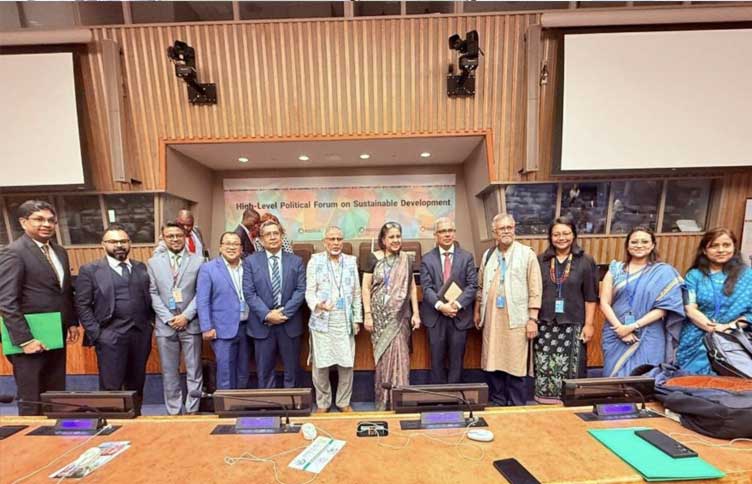
I attended several plenary sessions and side events. On 15 July,  as one of the speakers at the side event Direct Partnerships with and Financing for Indigenous Peoples: Key to Strengthening SDG Implementation,  I presented on how small grants are advancing  Indigenous Peoples’  struggles  for  recognition of their  land rights in Bangladesh—a central element for  any development initiative to prosper and be sustained. This side event was co-organized by  the Indigenous Peoples Major Group for Sustainable Development (IPMG) with the Indigenous Navigator Consortium, International Fund for Agricultural Development (IFAD), Indigenous Peoples’ International Centre for Policy Research and Education (Tebtebba Foundation, Inc.), United Nations Office of the High Commissioner on Human Rights (OHCHR) and the International Indian Treaty Council (IITC). I also delivered  a statement on  behalf of the IPMG during the official session on Transformation from the ground up: Acting at local level. 

As this was my first time attending the HLPF, I expected the forum to be an inclusive space where governments, civil society and Indigenous representatives could engage in constructive dialogue on the sustainable development goals (SDGs). My primary expectation was to highlight the struggles of Indigenous Peoples in Bangladesh and ensure that their voices and concerns were reflected in global discussions on sustainable development. 

Listening to various stakeholders was very inspiring. Delivering the IPMG statement at the plenary was  empowering. The statement carries  the collective voice of Indigenous Peoples worldwide, emphasizing rights-based development and the importance of free, prior and informed consent (FPIC). I felt proud to contribute to this global statement, which strongly resonated with the struggles of Indigenous communities in Bangladesh.


Between sessions and events, I was able to connect with fellow civil society organization (CSO) representatives from Bangladesh. These exchanges allowed us to continue the SDG-related discussions we had initiated back home and to align our advocacy strategies at the global level.  Collaboration with my country colleagues enriched our engagement and reinforced the shared concerns of marginalized communities, including Indigenous Peoples and Dalits. 


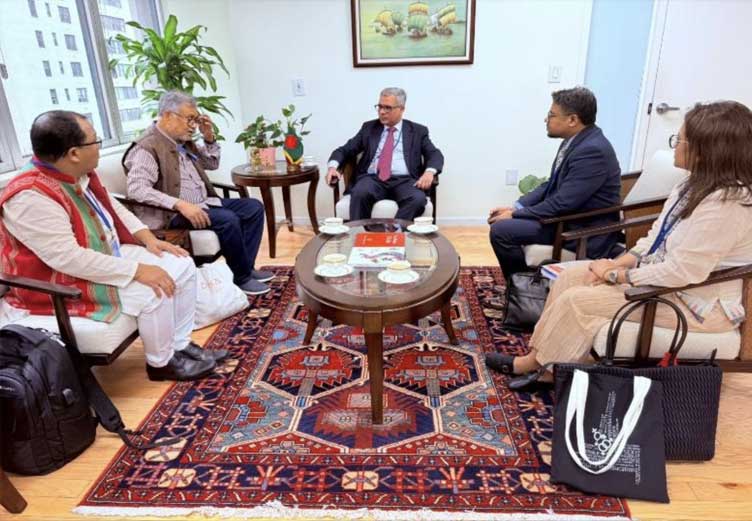
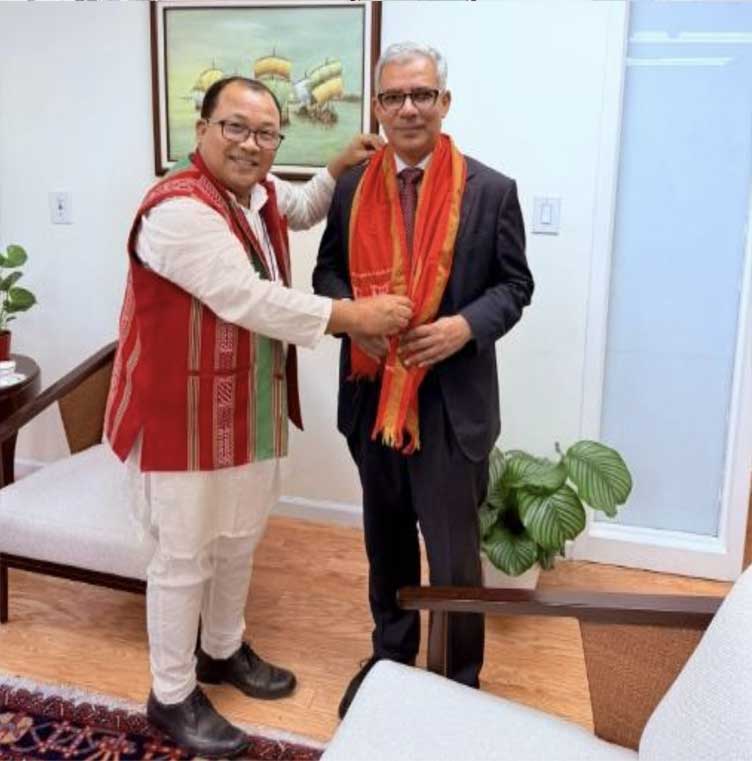
Our delegation had the opportunity to meet H.E. Mr. Salahuddin Noman Chowdhury, Ambassador and Permanent Representative of Bangladesh. During this meeting, I raised the pressing concerns of Indigenous Peoples in Bangladesh, particularly, around persistent challenges on the recognition of land and human rights and cultural identity. The Ambassador listened attentively and shared updates on Bangladesh’s efforts to implement the SDGs. Although much work lies ahead, this engagement created a valuable entry point for dialogues and continuing advocacy with government representatives.


More importantly, Indigenous Peoples’ concerns were acknowledged in the broader CSO statements. While the coverage was not comprehensive, it was encouraging to see recognition of Indigenous Peoples’ rights as a critical component of inclusive development. This inclusion also reaffirmed the importance of strengthening the  representation of Indigenous voices in  global civil society platforms and decision-making processes.

Despite health challenges during travel, the overall experience was highly rewarding. Networking with Indigenous leaders, UN officials and civil society representatives broadened my understanding of global Indigenous movements and built solidarity for future collaboration. It also highlighted the resilience required to represent communities at such high-level platforms.


My participation in the 2025 High-Level Political Forum was truly a meaningful experience for me. It provided me with a platform to raise the concerns of Indigenous Peoples of Bangladesh, while also connecting with fellow CSOs, government representatives and global Indigenous leaders. The discussions and engagements reaffirmed that Indigenous Peoples are not merely beneficiaries of development but active agents of change who must be at the center of SDG implementation.

By observing high-level global discussions and sharing local realities on international platforms, I gained valuable insights on how to frame Indigenous issues within the SDG framework. This exposure has also enhanced my confidence and capacity to engage more strategically with government, civil society and international actors 


This experience has strengthened my commitment to advance advocacy at both national and international levels, particularly,  on Indigenous Peoples’ call for the recognition of  land rights, cultural identity and inclusive development. Moving forward, I will apply the lessons, networks and inspiration gained from the HLPF to ensure that the voices of Indigenous communities in Bangladesh are heard, respected and reflected in policies and actions that shape our shared sustainable future. 

Some of my personal recommendations include the strengthening of the inclusion of Indigenous concerns in both CSO and government positions at international forums and support to leadership development for indigenous youth and women to ensure intergenerational continuity in advocacy. In addition, fostering stronger partnerships between grassroots initiatives and international processes is crucial to bridging local realities with global agendas. Finally, continuing to document and share lessons learned from local projects will help amplify the visibility of Indigenous struggles and successes.