

The youth organization Upong da Ilikoy conducted a series of knowledge-sharing on traditional farm practices and food systems as the foundation for sustainable agriculture and community resilience in Paracelis, Mountain Province, Philippines. A key activity of its project “From roots to resilience,” three learning sessions were held from January to February among its partners in Sitios Likoy, Babba and Amolong.
The knowledge-sharing brought together Indigenous youth, women and elders to exchange Indigenous knowledge about traditional farming techniques that have long sustained their agriculture and food systems. Topics included traditional upland farm preparation, planting, harvest, rotational and inter-cropping practices, all of which are deeply linked with traditions and beliefs. Elders from each community shared wisdom passed down through generations and from their own lived experiences. The activity aimed to document and integrate these practices into contemporary farming approaches while also creating a repository to ensure a lasting transfer of Indigenous knowledge.
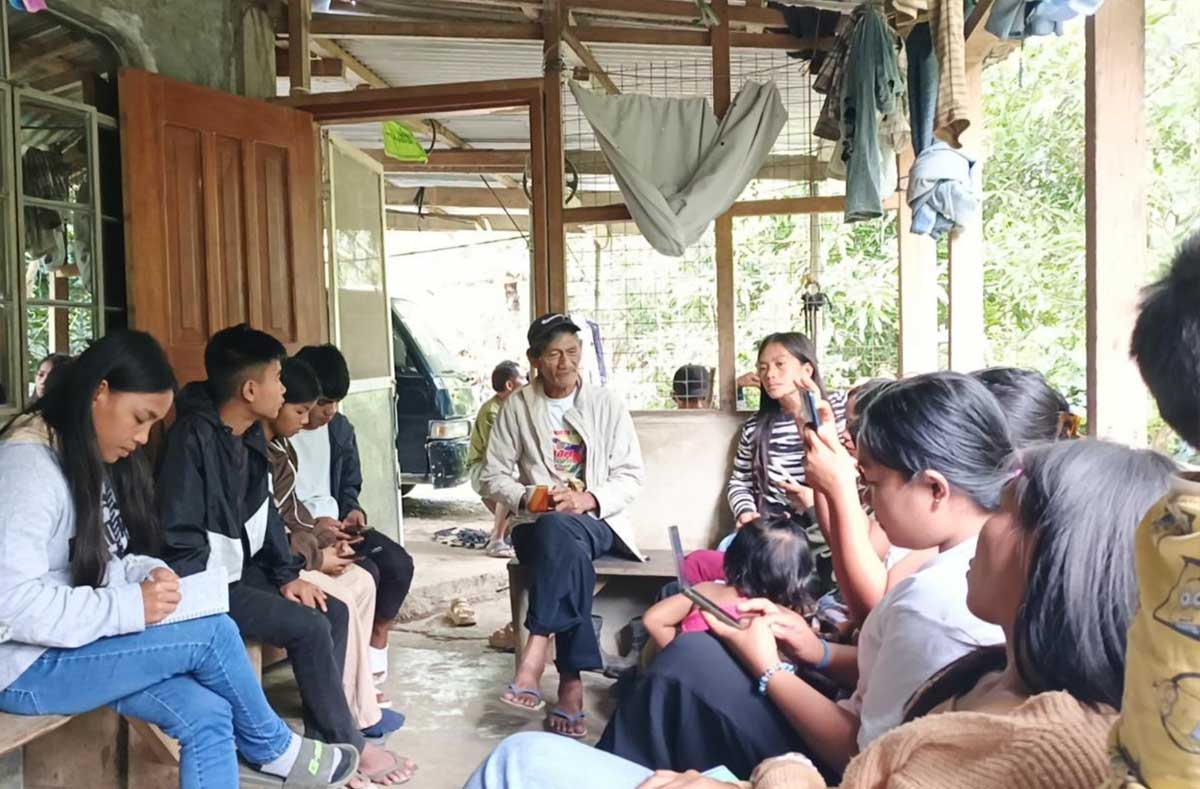
Upong members listening to the stories of Uncle Crispin Natemtem.
The first learning session conducted in Sitio Amolong on January 24 focused on Kadaclan traditional farming practices with community elder Crispin Natemtem as the resource person. Since it covered only some of the information the youth expected to gather, another session was held in February in Obfiar, Sitio Amolong. Women elders and resource persons Francisca Sodchig and Jenelyn Aroyao noted that unlike the Likoy, the Kadaclan community has fewer traditional beliefs linked to farming, as knowledge shared by their elders mainly involved astrological sign observance and certain farming taboos.
The second session tackled Likoy traditional farming practices in Sitio Babba, with Dionesia Dayag, Josephine Belowan and Cornelia Dayag as resource persons. The activity was attended by some village members, youth from both Likoy and Babba, and members of the Amolong women's group.
The final session on February 7 in Sitio Likoy similarly revolved around the traditional farming practices and food systems of the Likoy people. Elders shared that the community has many traditional beliefs across different farming seasons, including food storage practices. The session was attended by youth and some community elders, including members of the Inapinan Farmers Organization, Inc. (IFOI).
Elders showed support for the youth-led project, answering questions from members and facilitators. Fidel Salipan, IFOI chairman, pointed out that the initiative not only serves the project's youth and women partners but also their organization whose members now rarely engage in traditional farming. Through the learning sessions, they were able to reminisce about their past practices including their own farming terminology. Noting that few elders practice the traditional ways and the influence of religion, the youth have little or no idea of how life was in the past and how their ancestors had sustained their land and communities.
The knowledge-sharing however centered not only in remembering the past but also in strengthening resilience to current agricultural challenges. By revitalizing traditional farming practices, participants aimed to move forward and build a resilient community that works together to sustain traditional and organic farming while safeguarding the community’s cultural heritage.
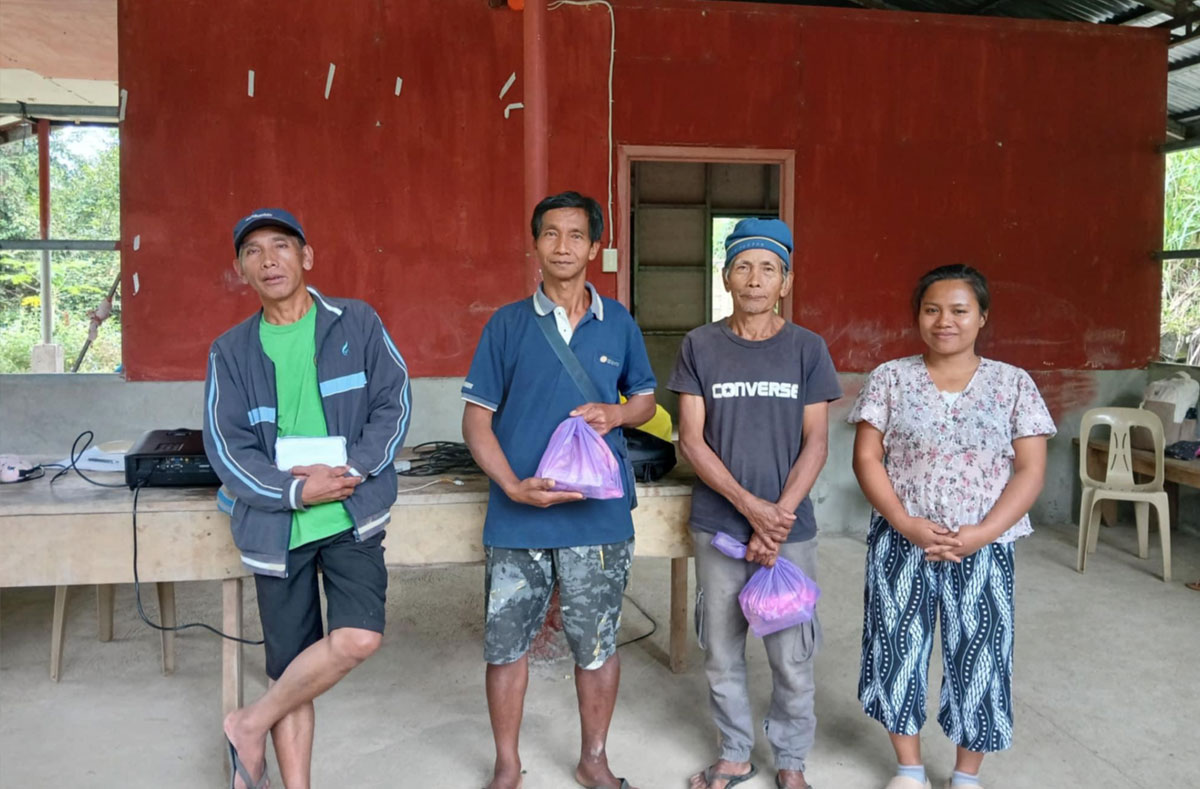
Likoy elders—Anthony Dawagan, Fidel Salipan and Jerome Dawagan—joined by session facilitator Lorza Banawag, receive tokens of appreciation by the Upong for the elders’ time and knowledge.
Remarking that Upong is a word of respect among the younger generation, community leader Anthony Dawagan said, “It is therefore expected that participants will continue to uphold respect for beliefs rooted in traditional farming practices, while also striving to balance traditional with modern organic approaches.”
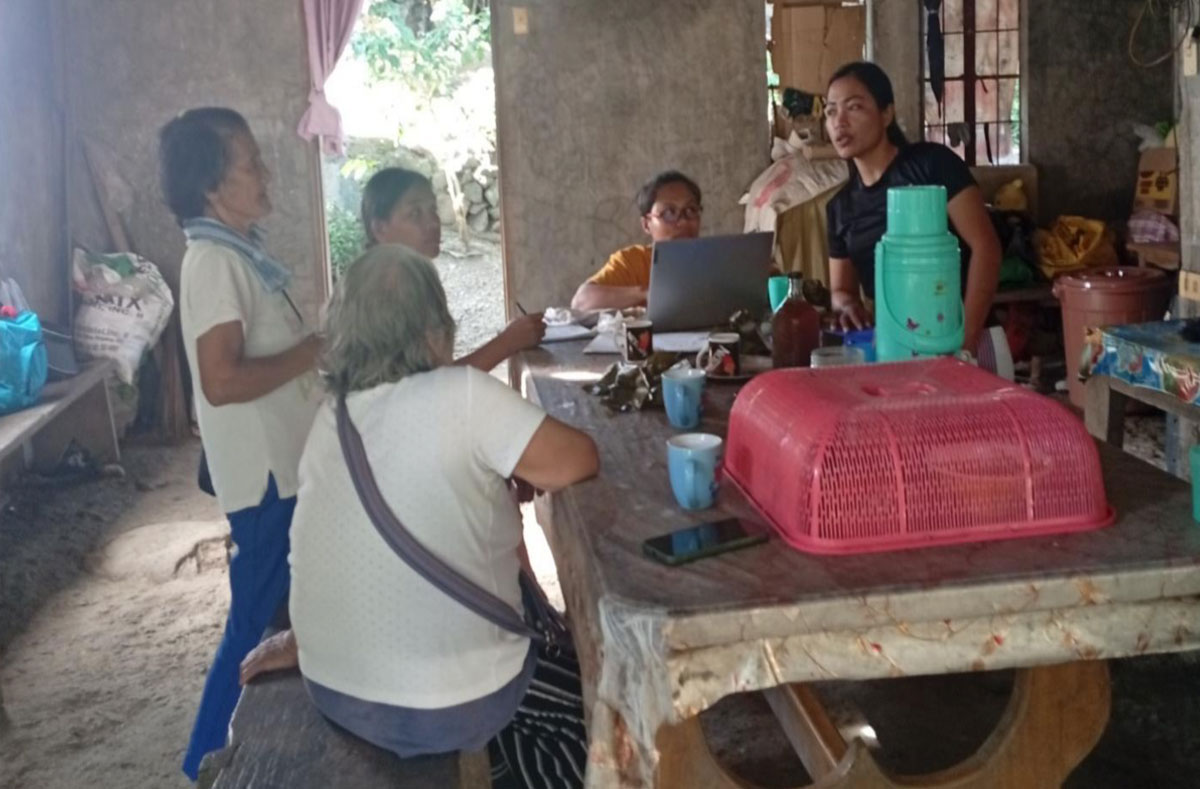
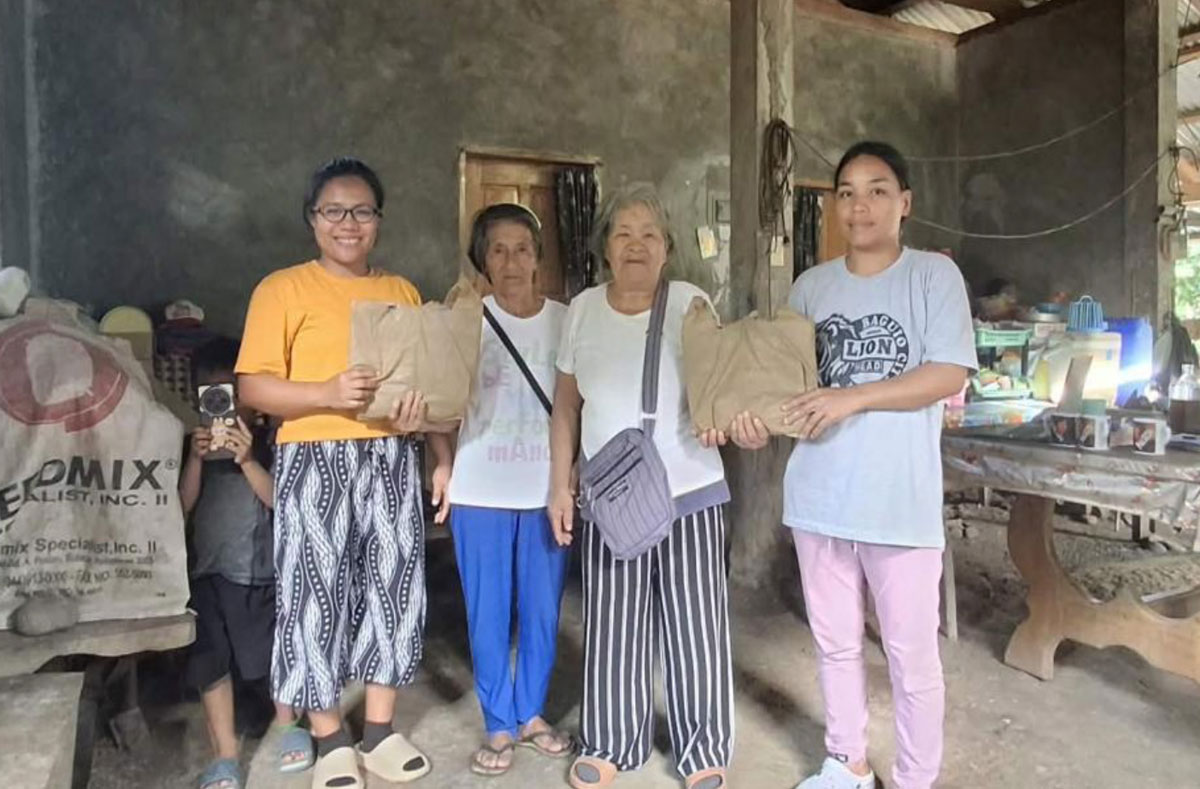
Community members enjoy catching up after the learning session in Obfiar, Amolong on February 15.