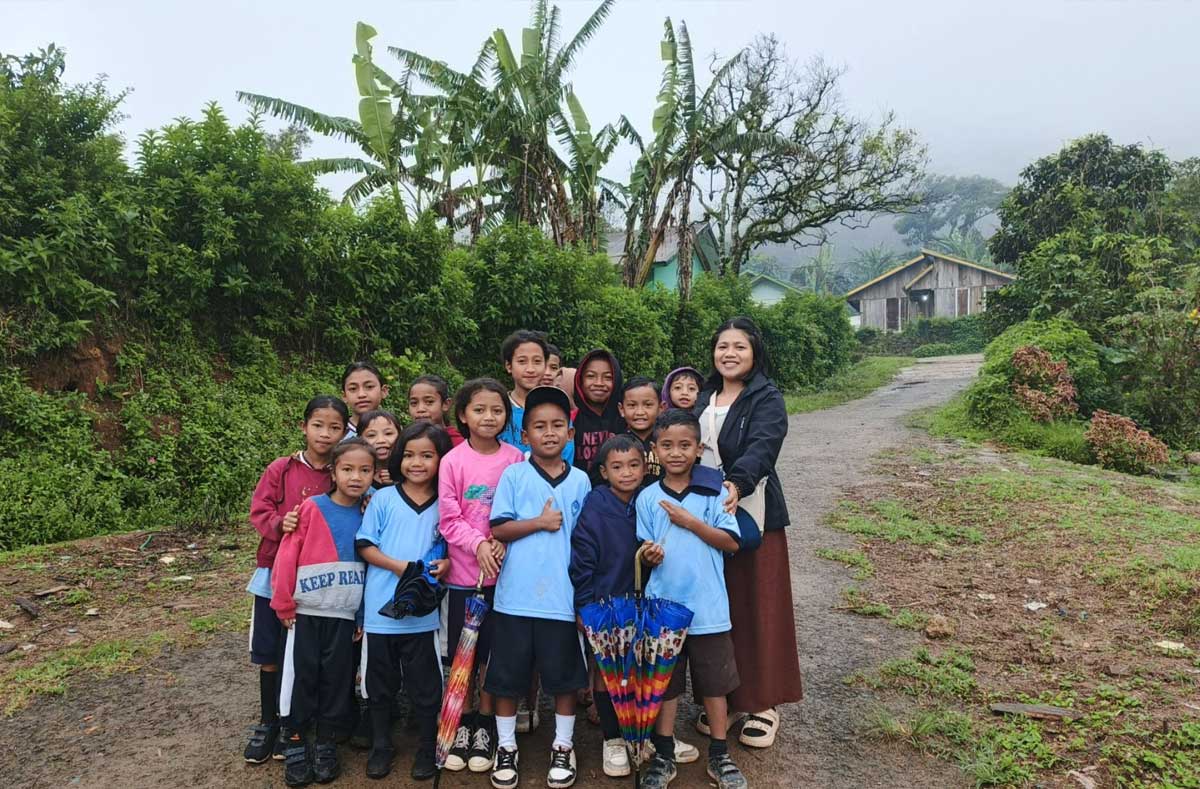
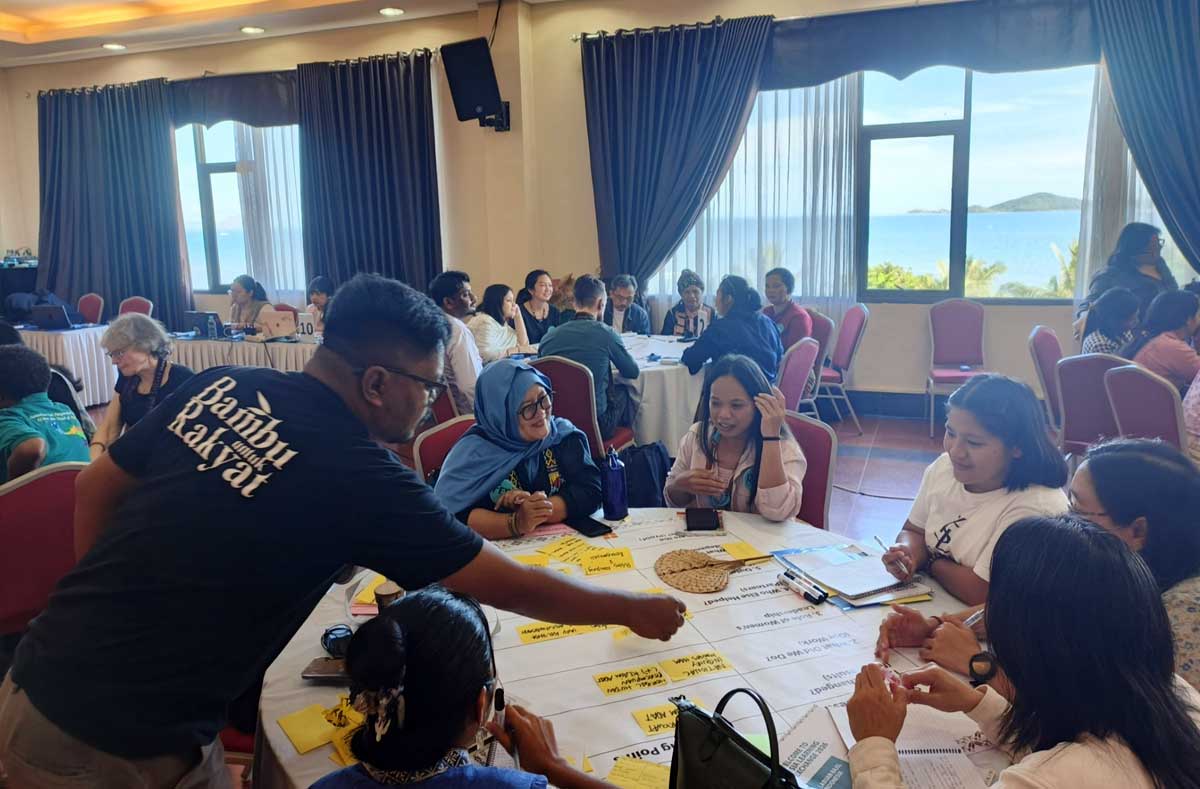
In the island town of Labuan Bajo, Flores, Indonesia, Indigenous women leaders, representatives from Indigenous Peoples’ organizations, global partners, and donors gathered to confront one of the most pressing issues facing Indigenous communities—securing rights to ancestral lands. The 2026 Tenure Facility Asia Learning Exchange, held from February 9–14 under the theme When Women Lead in the Land Rights Movement, brought together teams from Asia, Europe, and Latin America.
The exchange opened in solidarity and spirit. Local traditional leaders led a cultural ritual to honor the land and ancestors, grounding the event in Indigenous values. To bridge international barriers, participants joined an “identity session,” each sharing a small, meaningful object from their home country to build emotional bonds and foster mutual understanding.
Nonette Royo and Margaret Rugadya of the International Land and Tenure Facility introduced the participants and laid out the roadmap for how communities can safeguard their lands for generations. “We are doing these—supporting Indigenous Peoples’ initiatives and learning with each other—because we are not here forever. We need to learn to do all of these together so when we are not there, you can do it on your own. Our communities can do it on their own,” Royo said. The International Land and Tenure Facility, which organized the forum, is the leading financial mechanism specialized in supporting Indigenous Peoples and local communities to secure and sustain their land and forest rights.
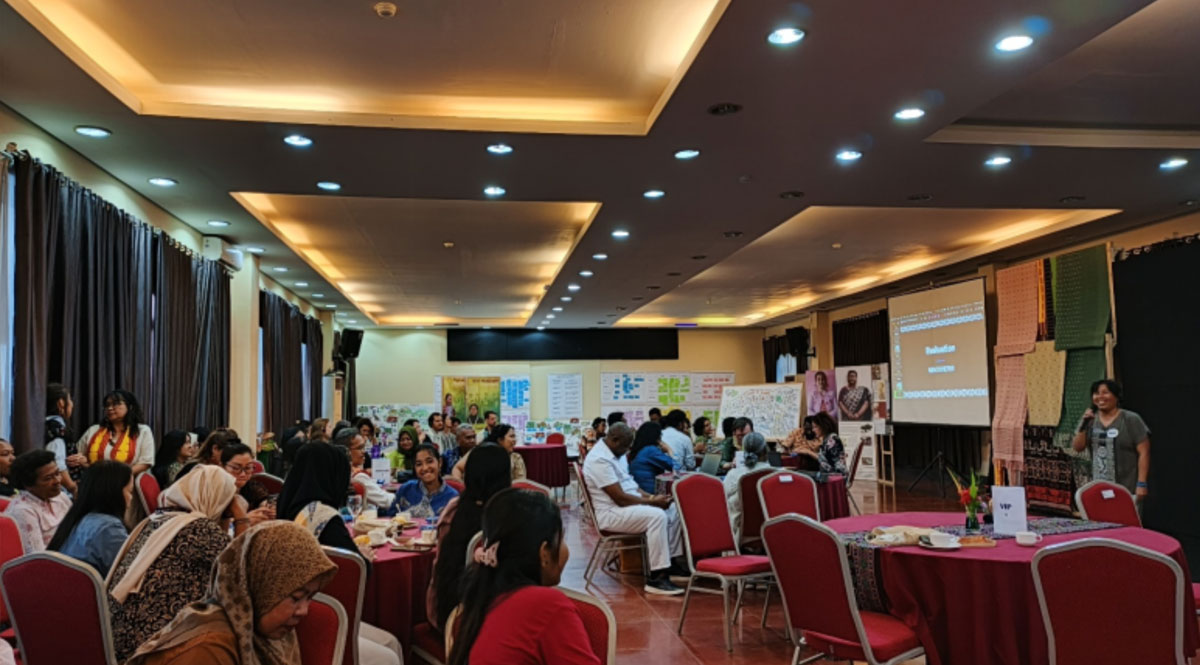
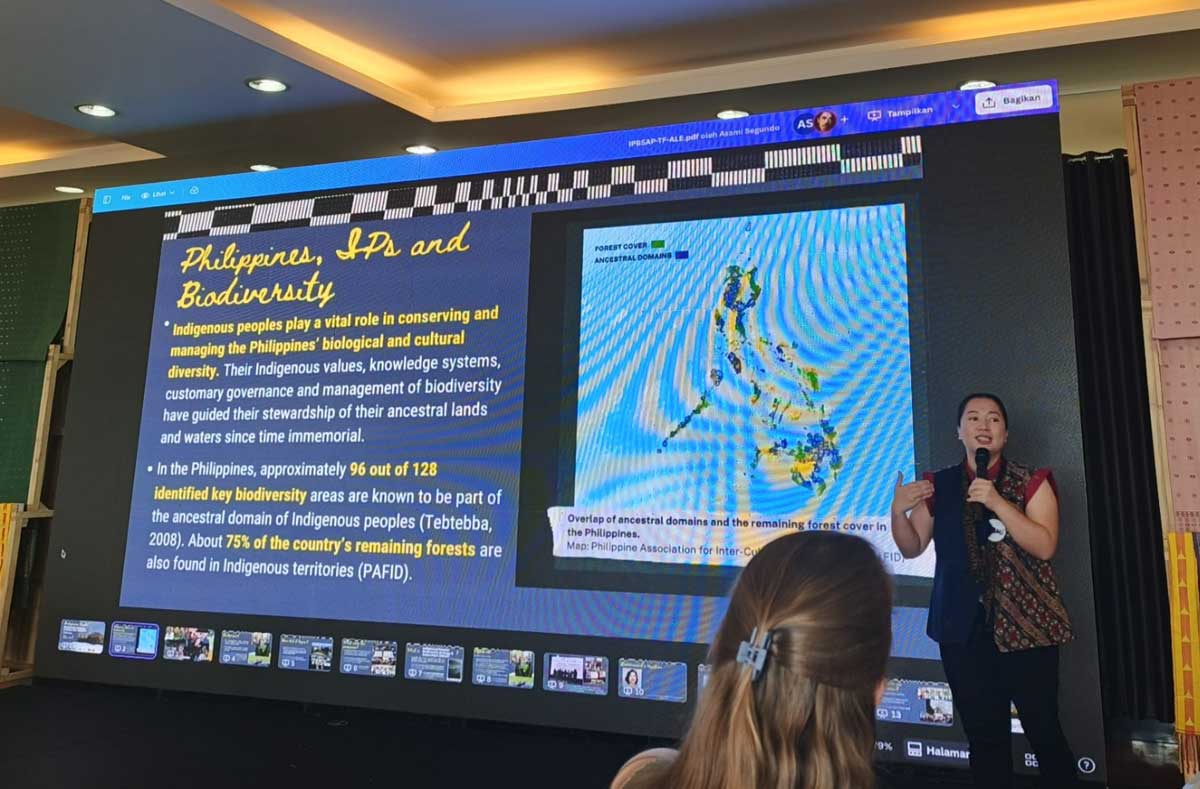
A major highlight of the exchange was the session on Indigenous women’s leadership opened by Mama Aleta Baun, a renowned indigenous leader and environmental activist from the Mollo region in West Timor, East Nusa Tenggara in Indonesia. The energy in the room peaked when Mama Aleta shared her real-life stories leading movements to reclaim and protect Indigenous forests where her life was constantly threatened and where she sacrificed her time with her children for this cause.
The learning exchange also featured a Pecha Kucha session blending policy advocacy efforts with grassroots reality. Sixteen different organizations delivered quick presentations showcasing their works and initiatives in conserving forests, traditional economies and advancing women’s contribution and leadership in protecting their environments.
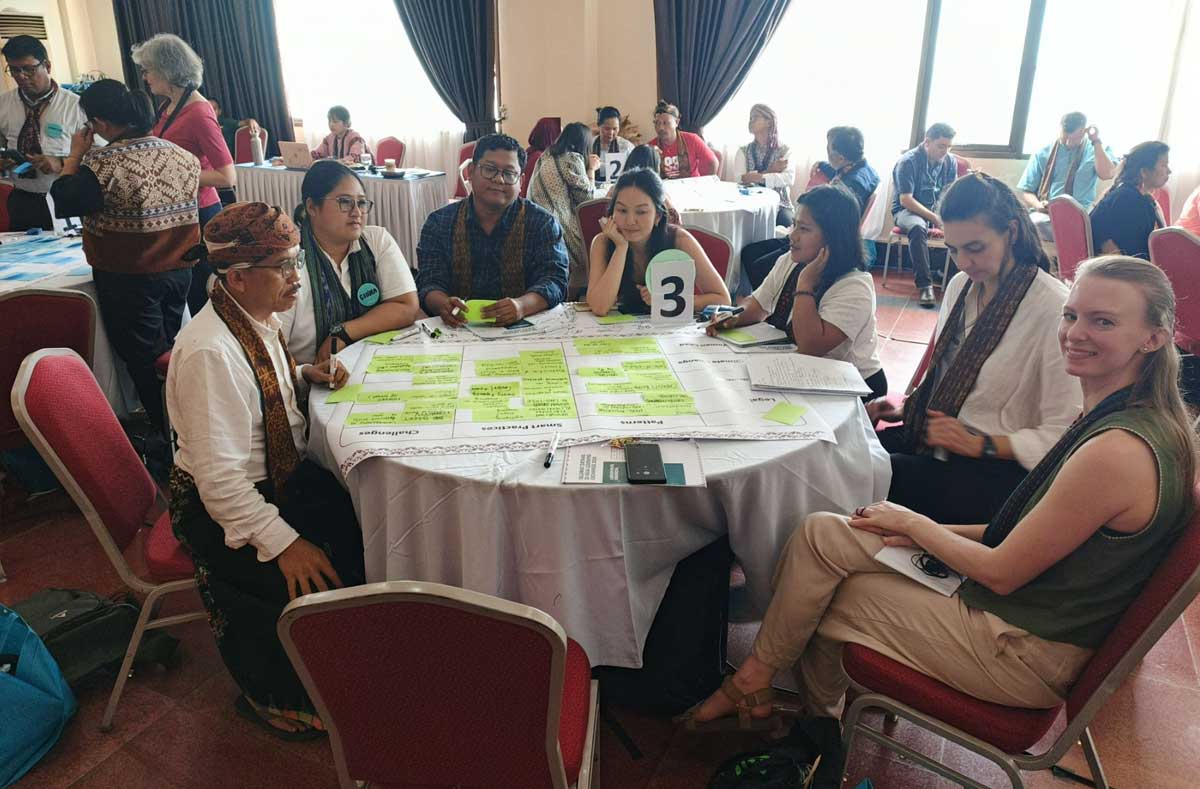
To make the sessions more creative, participants moved away from spreadsheets and turned the storytelling into art, creating murals, learning posters and live enactment of key details of stories to visualize how women’s leadership transforms a community before and after their land rights are officially recognized. In this session, 10 local women leaders took the stage to share personal transformations, providing a raw and powerful glimpse into the strength of the movement.
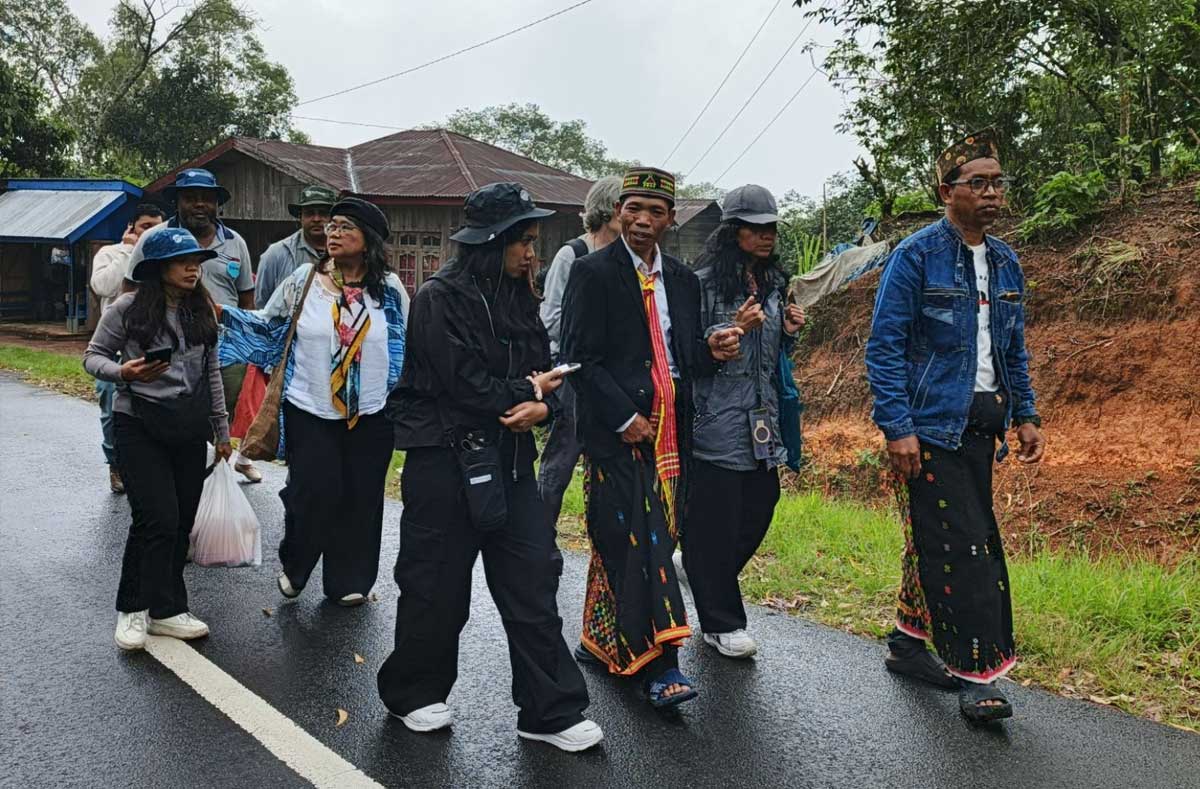
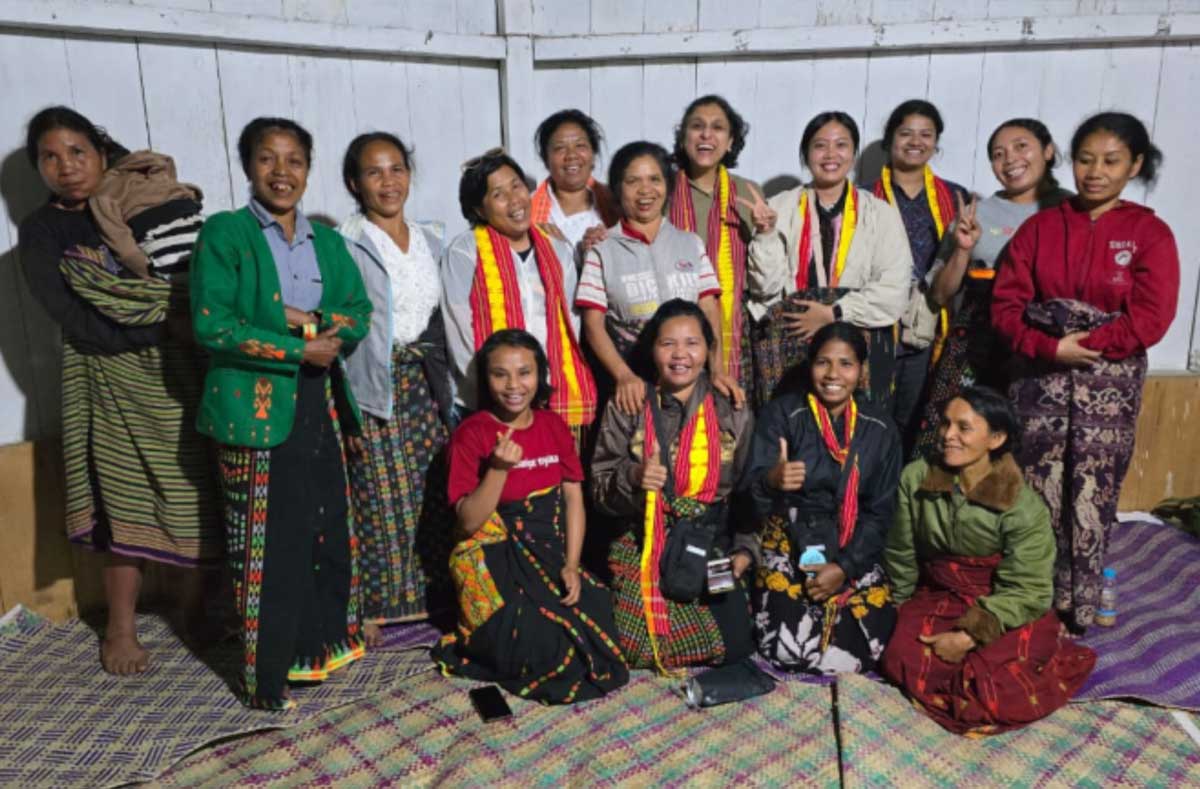
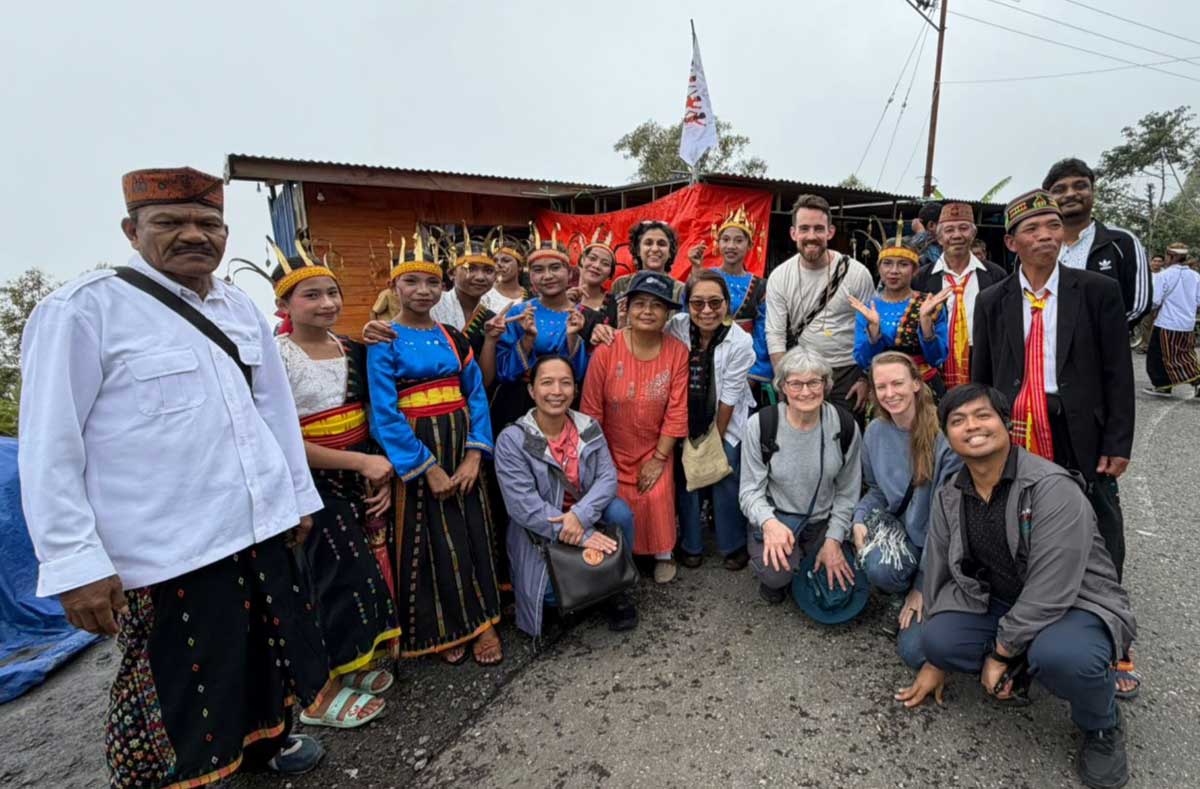
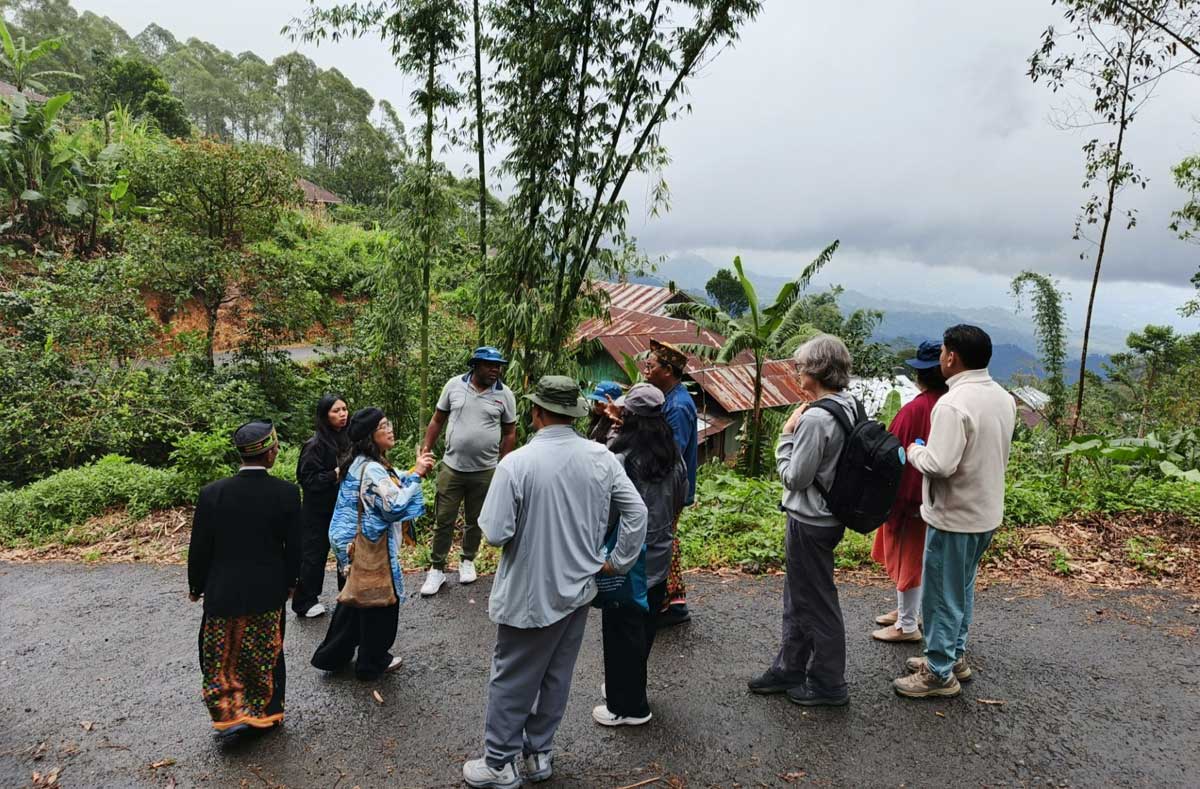
To truly understand the struggle for securing land rights, the participants left the hotels and traveled for hours—by road to the mountains of Colol and by boat to the famous Komodo islands—for a live-in program. Overnight, they stayed in the homes of local villagers, ate with host families, walked the forest paths and held community dialogues. This firsthand experience allowed donors and partners to see the daily realities, both the challenges and the beauty of life in Indigenous territories.
"Hearing the people directly at the site of their struggle builds a level of empathy that a PowerPoint slide never could," noted one organizer.
The exchange concluded with a strong show of support from Indonesian officials. A representative from the Ministry of Women’s Empowerment and Child Protection, Veronica Tan, together with Margaretha Wahyuningsih, a senior representative from The Asia Foundation who works on land and forest governance in Indonesia, expressed appreciation for the stories and reflections shared. They encouraged Indigenous Peoples and women leaders to continue voicing their stories and demands, emphasizing that consistent communication is vital so that policy and decision makers can clearly hear and act on their needs. Both assured the participants that they stand in solidarity with the movement, offering their continued support for land rights and gender equality.
Before the final farewell, the room turned to technology to capture the collective mood. Using Mentimeter, participants shared their evaluations and reflections in real-time, creating a digital word cloud of hope, leadership and a shared commitment to advancing the land rights movement. The learning exchange ended with the participants sharing gifts and appreciation messages with each other, closing the week with solidarity and gratitude.
Glimpses of the walkthrough and community visit at the Colol Village