

The Samahan ng Katutubong Tagbanuang Tandulanen sa Binga (SAKATTABI), an Indigenous Peoples’ organization located in San Vicente, Palawan, Philippines in a demonstration of self-determination, marked a major step toward food sovereignty and economic resilience. This milestone was celebrated with the official launch of their new community-built rice mill, now operational and ready to serve the community.
Funded by the European Union (EU) through Tebtebba Foundation, Inc. under the Indigenous Navigator (IN) Initiative in the Philippines, the small grant project was constructed by SAKATTABI members themselves. This ensured that the facility shall meet their needs while fostering a deep sense of ownership.
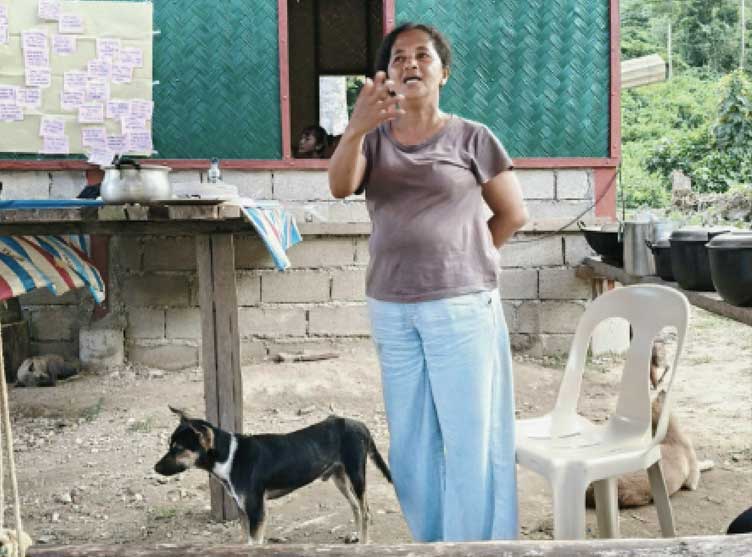
The two-day event opened by SAKATTABI President Elinita Orquestra expressing gratitude for the granted project. “Our deepest thanks to Indigenous Navigator for making this possible and to Johnmart Salunday, former President of NATRIPAL. Without your support, this project would not exist. This mill will sustain our families and inspire other Indigenous communities. We hope that this project will continue to support more Indigenous Peoples across Palawan,” she said.
San Vicente municipal and barangay Indigenous Peoples’ mandatory representatives (IPMRs), SAKATTABI officers and community members attended the event. Municipal IPMR Eddie Yayen reminded participants of their collective responsibility. “This gift comes with responsibility. Take care of it well, follow all agreements and ensure equal benefits for all members. May it bring abundant harvests for generations,” he said.
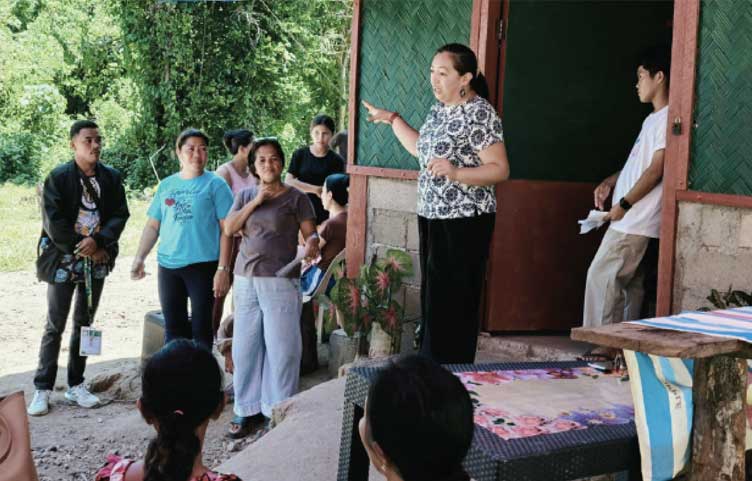
Robie Halip, IN-IPMG Coordinator, offered a reflection: “We should not call this a turnover because this is your achievement; you designed and built it. The EU provided funding, but you built this with your own hands. While we gather support to implement projects for Indigenous Peoples communities, the true goal must always be self-determination. This mill belongs to you, by you and for your future,” she stressed.
Avilina Sappari, SAKATTABI secretary, shared a balik-tanaw (reflective journey), retracing their two-year process from initial planning to construction. Members recalled overcoming monsoon rains, material shortages and technical challenges through communal effort and Indigenous knowledge.
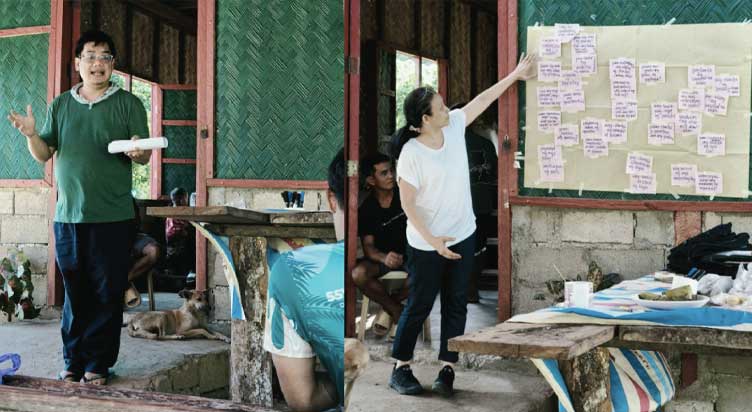
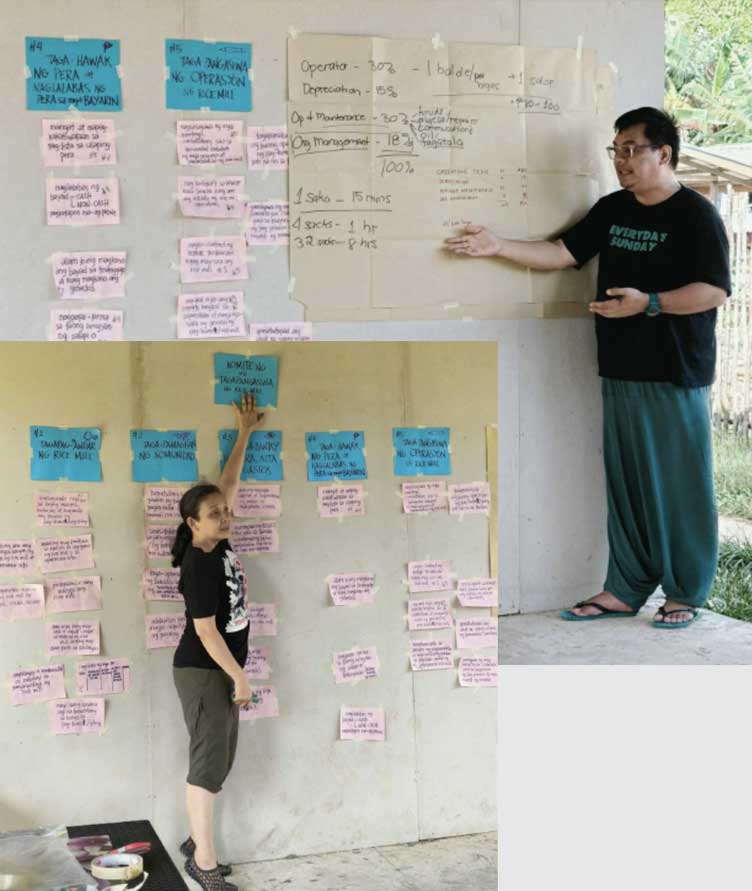
Following the morning ceremony, facilitators Gomer Padong and Jennifer Domingo from the Institute for Social Entrepreneurship in Asia (ISEA), led a visioning workshop where members discussed aspirations for the mill. They expressed hopes of producing high-quality rice, generating income for the community and expanding services to neighboring villages, underscoring the project’s potential to grow beyond subsistence into a sustainable livelihood source.
The rice mill, envisioned as a social enterprise, will enable the Tagbanuang Tandulanen to process their own harvests, reduce reliance on external sources and secure a stable food supply. “To prosper the rice mill, to supply not just us inside the community, but to the outside as well,” shared Avilina.
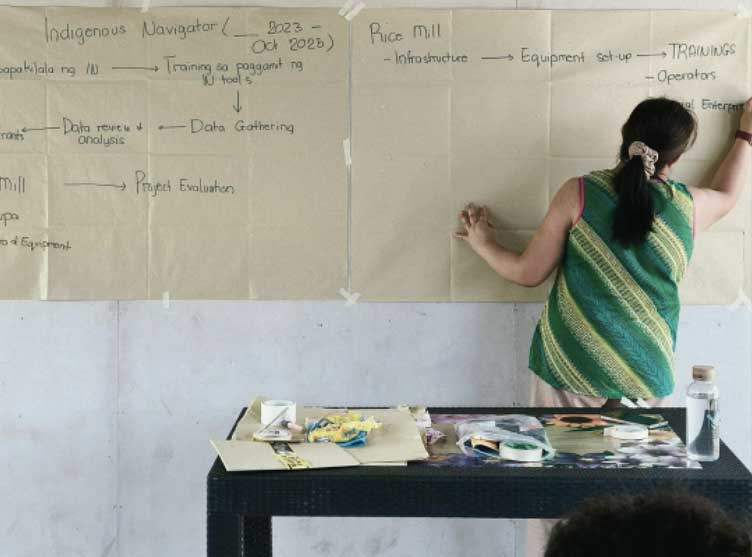
The second day focused on operational sustainability. Halip guided the community through a reflection on the project’s origins from the introduction of Indigenous Navigator tools, to initial data gathering that identified the rice mill as one of the prioritized needs to its realization through EU funding and evaluation. Key gaps were identified, including infrastructure upgrades (such as roof painting), additional equipment like rice filters (ayagan) and training for rice mill operators.
Moreover, a basic financial planning session by Padong and Domingo showed how the mill could achieve profitability, while noting that SAKATTABI is formally registered as an organization but not yet as a business entity—an important step in preparing for its future as a social enterprise.
With the mill now operational, SAKATTABI looks forward to completing final facility upgrades, such as installing solar panels for independent energy sources, conducting member training programs and exploring the possibility of launching their community rice enterprise, all under their own leadership and governance systems. The project stands as a testament to Indigenous Peoples’ innovation, proving that when communities lead their own development, the results are both transformative and enduring.
The Indigenous Navigator (IN) Initiative was implemented by Tebtebba Foundation, Inc. in the Philippines with support from the
European Union (EU).
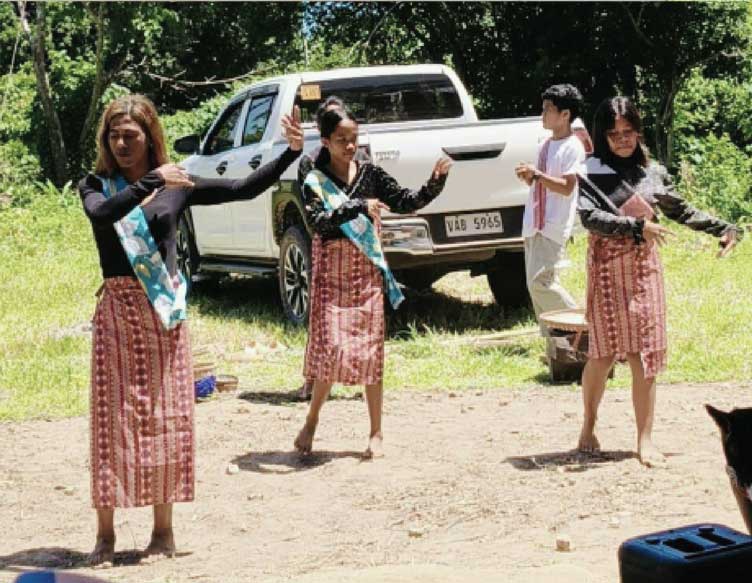
Tagbanuang Tandulanen youths performed a traditional dance to showcase their cultural heritage.