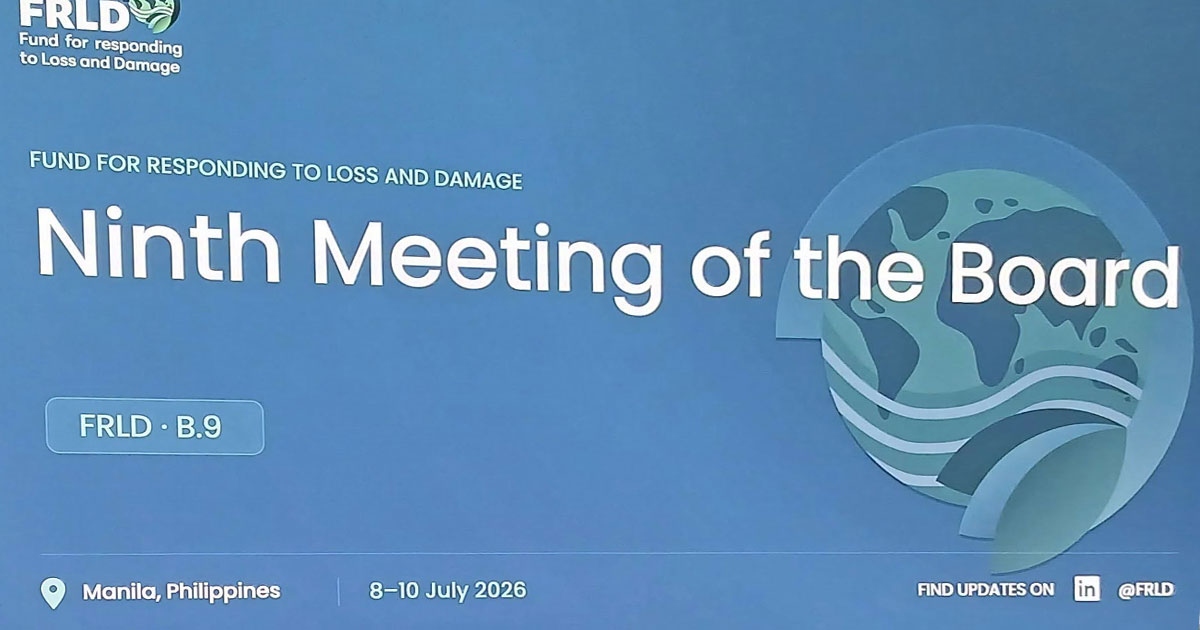
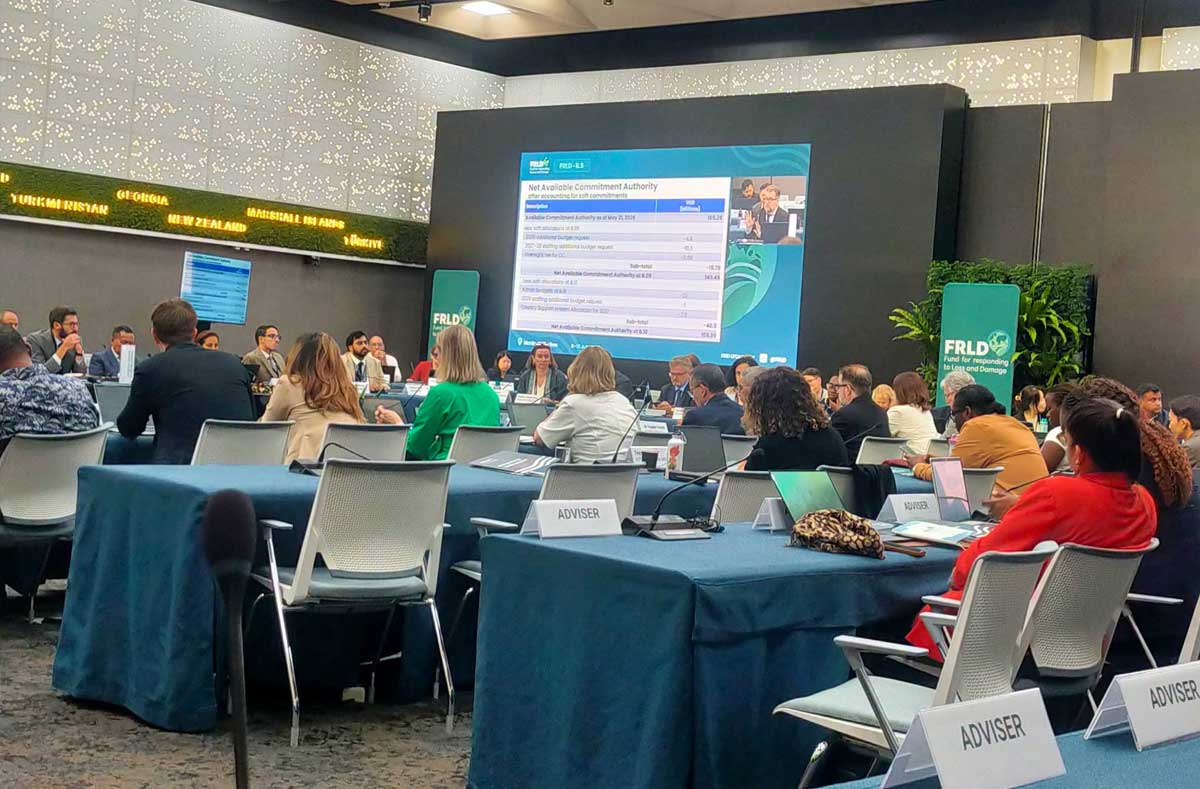
Intervention on the Fund Responding to Loss and Damage (FRLD) 9th Board Meeting on the Board Work Plan: 8 July 2026, at Asia Development Bank

Intervention on the Fund Responding to Loss and Damage (FRLD) 9th Board Meeting on the Board Work Plan: 8 July 2026, at Asia Development Bank

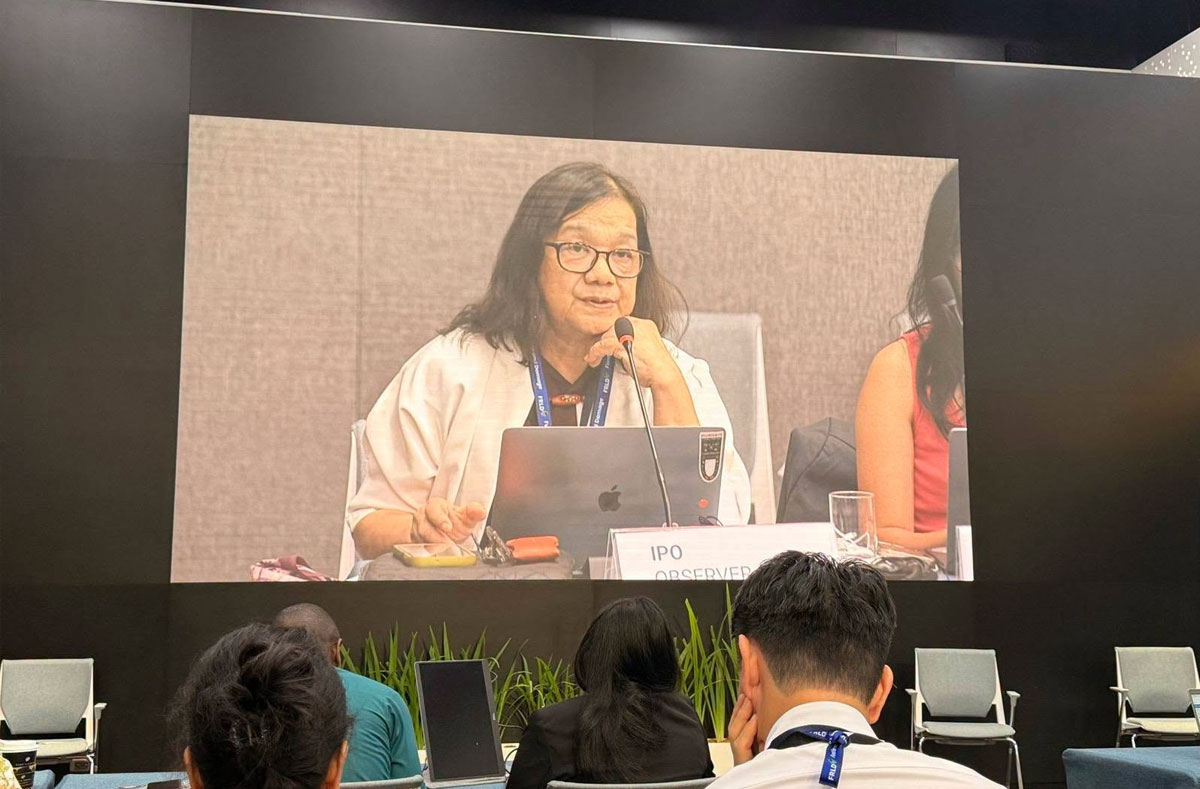
Delivered by Grace Balawag, Tebtebba Foundation, Inc. – Indigenous Peoples’ International Centre for Policy Research and Education, representing the Indigenous Peoples’ Organizations (IPO) Constituency

Thank you for the opportunity to intervene. These comments were coordinated among the ENGO (Environmental Non‑Governmental Organizations), Women & Gender, YOUNGO (Children and Youth Non‑Governmental Organizations) and Indigenous Peoples’ Organizations (IPO) constituencies.

We wanted to comment on the updated Board Work Plan for 2026, which was shared this morning, and includes already an indicative outlook of the Board’s tasks to develop the long-term operational procedures, most of which will only start in earnest in 2027-28. 

First, we are dismayed to see that the community grant modality, which was indicated to start after B.9 according to the B.8 version of the work plan, is no longer included, or even referenced in the outlook for 2027-2028. Small grants supporting communities are a dedicated access modality under paragraph 49(d) of the Governing Instrument (GI). While we are glad to see that work on the rapid disbursement modalities is at least referenced for 2027-2028, although likewise postponed, that leaves the small grants modality now as the only mandated access modality that is postponed ad infinitum. This is not acceptable for the affected communities that the Fund has said it is committed to serve.  


We urge the Board to provide clarity on when the community grant modality is to be considered. Technical work, and consultation with observers, many of whom have hands-on experience working with and advocating for small grants approaches, as reflected in our previous comprehensive submissions, could already start. For example, benchmarking of existing financial intermediary funds that are also providing mechanisms for direct access to communities, including under World Bank hosting arrangements, could begin immediately.

We are pleased to see that the Board intends to adopt a Fund-specific Information Disclosure Policy at B.10. As we have long argued, while some of the project implementation-related aspects of information disclosure fall under the mandate of access and implementing entities, the Fund should also have a dedicated information disclosure policy at the Fund level, specifically for Fund activities that fall outside of project cycles and Funding Requests. In line with best practice, we ask that the Board develops and approves a proactive information policy that starts with a presumption to disclose, to aid the transparency, accountability and effectiveness of the Fund. We also request that observers are involved early in consultations on developing such a policy.


In the same vein, missing from the Board’s workplan is the necessity for the FRLD to have its own human rights-based Gender and Indigenous Peoples policy. The GI is very explicit in paragraph 5 with the mandate to take a culturally sensitive and gender-responsive approach. The mandate of such distinct separate policies on gender and Indigenous Peoples express requirements and an understanding of “doing good” with respect to gender equality and equity and Indigenous Peoples’ rights in all of the Fund’s operations, including at the Secretariat and Board level and in its external engagements.

We therefore call for the Board to put work on a Fund-specific Gender and Indigenous Peoples policies on its workplan as soon as possible, for example by tasking the Secretariat with a benchmarking study as well as a legal analysis on the gaps, and an assessment of what this would entail for the Fund’s long-term operation. We also remind, however, that deliberations on the Gender and Indigenous Peoples policies should not impede resource mobilization and replenishment processes and should not hamper access to the Fund for all developing countries.

I thank you.
Submission to UNSRRIP Call for Inputs for the Report to the 81st Session of the General Assembly

Submission to UNSRRIP Call for Inputs for the Report to the 81st Session of the General Assembly

20 February 2026


Re: Call for inputs: Demarcation, registration and titling of Indigenous Peoples' lands, territories and resources

Issued by: Special Rapporteur on the rights of Indigenous Peoples

Deadline: 20 February 2026


Submission for the report to the 81st Session of the General Assembly – Philippines/MIMAROPA (Region IV-B), SOCCKSARGEN (Region XII), BARMM, Region III, CAR, Region VIII (Caraga)/Tagbanua, Tinonanon Monubu, Kulamanen Menuvu, Teduray-Lambangian, Tagbanua, Palaw’an, Ibaloy, Kankanaey, Ayta Hungey, Mangyan, Mamanwa/Tebtebba Foundation Inc.


Legal recognition of Indigenous Peoples’ lands:


- Are Indigenous Peoples’ land rights (land, territories and resources) legally recognised in a constitution, law, or policy?

Yes. Indigenous Peoples’ land rights are legally recognized in the Philippine Constitution. This recognition is made stronger by the Indigenous Peoples Rights Law (IPRA) or Republic Act No. 8731 of 1997, the landmark law that recognizes the rights of Indigenous Peoples, aside from their basic human rights. The IPRA then echoes the tenets enshrined in the UN Declaration of Indigenous Peoples and has even been created way before the Declaration.[1]


- What is the scope of these recognised rights (full property/ownership, access, use, control, exclusion, sub‑surface rights, benefit‑sharing)?

The recognized rights of Indigenous Peoples in the Philippines cover full property ownership, access, use, and control of their territories, lands and resources.


- Are customary territories, including waters/marine areas, and traditional governance institutions legally recognised as pre‑existing rights?

Yes, they are. The IPRA covers restitution and reparation for historical injustices, including the illegal seizure of land and cultural property. IPRA aims to correct historical abuses against Indigenous Peoples by recognizing their right to ancestral domains, self-governance, and cultural integrity.[2]


- Do those recognised land rights include restitution or compensation for historical dispossession?

Yes, the IPRA was made to correct historical dispossession of Indigenous Peoples’ lands, invoking the use of “native title” to cover ownership of their ancestral lands and domains.[3]


- Would you consider that the current local legal recognition is aligned with the UNDRIP? If not, what are the elements that are missing or not aligned?

Yes, the local legal recognition of Indigenous Peoples rights is aligned with the UNDRIP. However, the exercise of this local law is problematic as there are differing ways by which the local law, IPRA, is interpreted, acknowledged and enforced.


- If there is no legal recognition of Indigenous Peoples’ land rights, what are the current practices that are in place instead?

To make the IPRA more effective or even exercised at the local level, some municipalities[4] create and adopt their own Indigenous Peoples (IP) code that is aligned with the UNDRIP and the IPRA.

For instance, in the municipality of Arakan in the province of North Cotabato in the southern part of the Philippines, their local IP code was a landmark document designed to protect and promote the rights of the indigenous communities within its jurisdiction, specifically the Tinonanon Monubu and Kulamanen Menuvu Indigenous Peoples. Included in the Arakan IP code are the following: (1) recognition of Indigenous Peoples’ ancestral domains in the area, (2) indigenous governance and structure, (3) sustainable resource management, (4) policies protecting Indigenous Peoples in the area, (5) strengthened representation of Indigenous Peoples in decision-making spaces, and (6) advocacy for the replication of the Arakan IP code in other areas.[5]


Physical marking of Indigenous Peoples’ land rights:


- Are Indigenous Peoples’ lands demarcated and titled?

Indigenous Peoples’ lands and territories have been demarcated in the Philippines since time immemorial with the use of a native title[6], with traditional boundary markers recognized in their areas by their neighbors (i.e., neighbor Indigenous Peoples groups, other major ethnolinguistic groups in their corresponding areas). However, many of these boundaries have been impacted by modern state government demarcations, illegal encroachment in Indigenous Peoples lands, the increase of conflicting land tenure instruments[7], development projects (i.e., extractive industries, government-funded roads and infrastructure) that cut into Indigenous Peoples lands without proper free, prior and informed consent (FPIC).[8]

All these are still ongoing issues despite the presence of the IPRA which, by all accounts, was made to safeguard and promote the rights of Indigenous Peoples in the country over their lands, territories and resources.


- How is the demarcation done?

Nevertheless, the IPRA provides for a Certificate of Ancestral Domain Title (CADT) to formalize Indigenous Peoples’ claims to their ancestral domains, aiming to stop illegal encroachment and strengthen the need for FPIC.[9]


[1] The UNDRIP was adopted by the United Nations Human Rights Council on 13 September 2007 during the 107th Plenary Meeting.

[2] https://www.wipo.int/en/web/traditional-knowledge/w/tklaws/article_0017#:~:text=%2D%20ICCs/IPs%20have%20the%20right,their%20laws%2C%20traditions%20and%20customs.

[3] https://cids.up.edu.ph/wp-content/uploads/2022/12/Recommendations-for-the-Indigenous-Peoples-Rights-Act-Policy-Brief-02.pdf#:~:text=The%20Indigenous%20People's%20Rights%20Act%20(IPRA)%20of,for%20IPs%20and%20ICCs%20under%20one%20legislation.

[4] In the Philippines, a municipality is the local government unit that is governed by an elected mayor, a vice mayor and a sangguniang bayan (municipal council).

[5] https://tebtebba.org/index.php/2023-indigenous-peoples-month

[6] A native title in the Philippines refers to “pre-conquest rights” of Indigenous Peoples to their ancestral domains sequestered under a claim to a private and collective ownership since time immemorial. https://ncip.gov.ph/wp-content/uploads/2020/03/IPRA-LAW.pdf

[7] Conflicting land tenure instruments in the Philippines stem from the historical, legal, and operational gap between indigenous customary law and state-sanctioned titling systems. While the IPRA recognizes "native title" and ancestral domains, it often overlaps with, or is superseded by, older, more powerful state instruments. https://ccsenet.org/journal/index.php/ass/article/view/67229#:~:text=Our%20results%20indicate%20that%20conflicting,further%20enhance%20their%20business%20interests.

[8] https://iwgia.org/en/philippines/5372-iw-2024-philippines.html#:~:text=The%20Republic%20Act%208371%2C%20known,general%2C%20Indigenous%20lands%20remain%20unrecognized.

[9] https://www.eco-business.com/news/indigenous-land-rights-cant-stop-commercial-development-in-the-philippines/#:~:text=Anyone%20who%20wants%20to%20conduct,land%20cannot%20legally%20be%20sold.

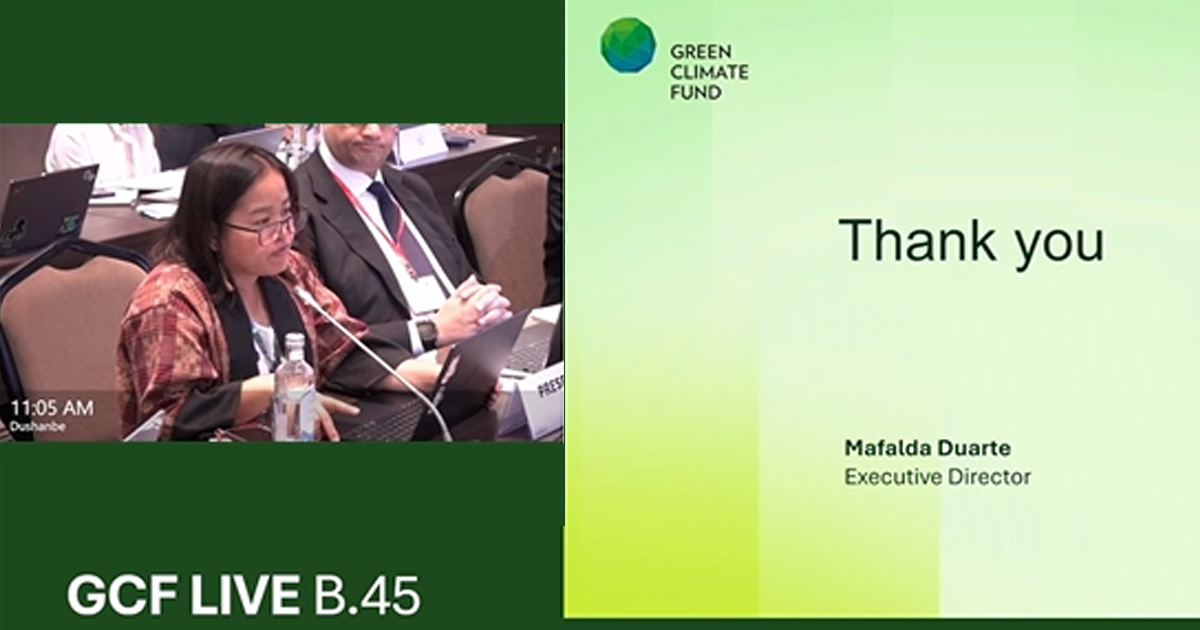
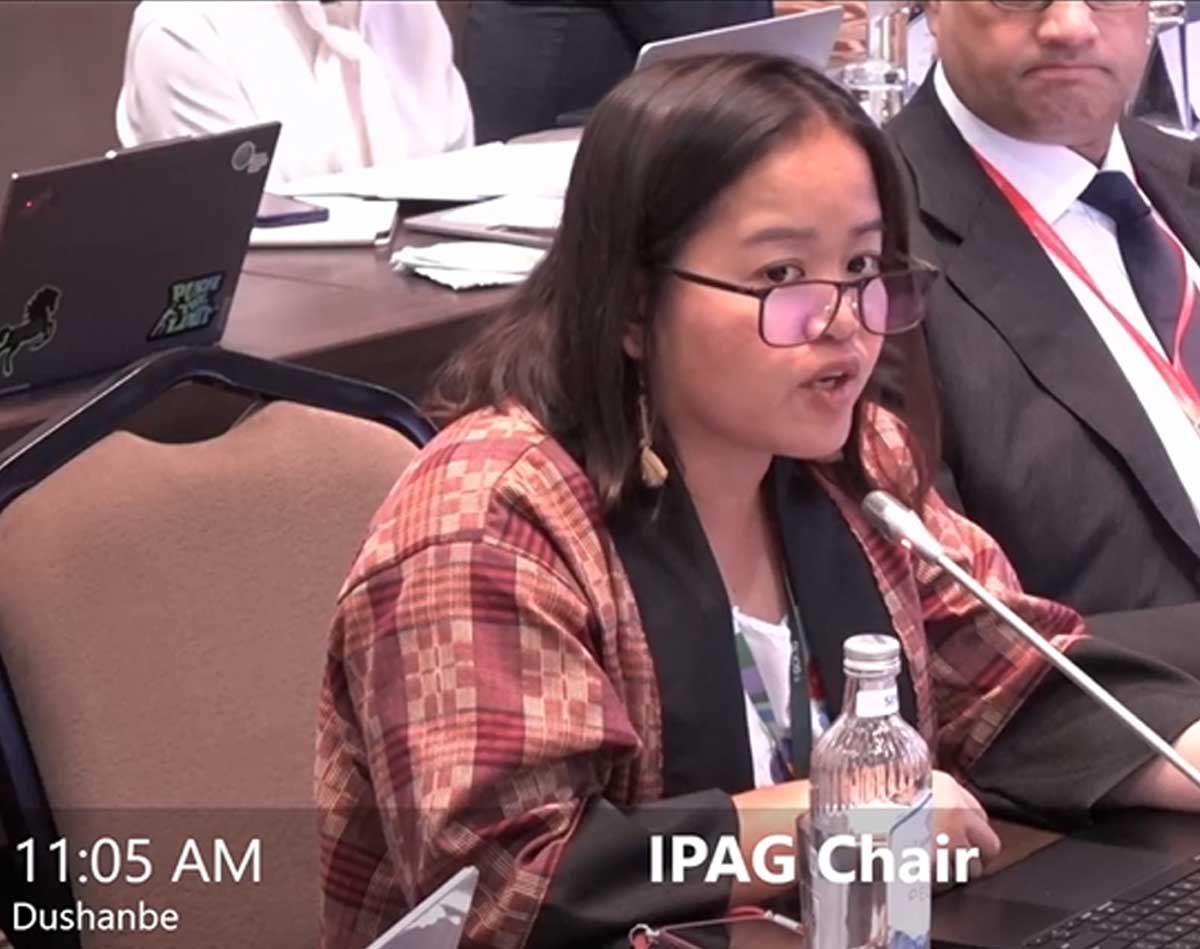
Statement of the GCF Indigenous Peoples Advisory Group

Statement of the GCF Indigenous Peoples Advisory Group

Green Climate Fund — Forty-Fifth Meeting of the Board

29 June – 2 July 2026, Dushanbe, Tajikistan

Agenda Item XX | GCF/B.45/XX

Statement of the GCF Indigenous Peoples Advisory Group

Helen Magata, Member of IPAG


Co-Chairs, Board Members, distinguished delegates,

Thank you for the opportunity to address this meeting of the Board. 

On behalf of the Indigenous Peoples Advisory Group, I am honoured to present a summary of the advice of our eighth meeting, held in Songdo from 18th to 22nd of May 2026 — and in particular the IPAG’s advice arising from the discussions of the GCF Global Conference with Indigenous Peoples, convened in April.

The Global Conference drew participants from over 40 countries and created a genuine space for open dialogue, shared learning, and practical problem-solving. The IPAG considers it an outstanding success and we thank the GCF and Malaysia for making it happen.

Board members,

The GCF’s Independent Evaluation Unit has recommended concrete steps to enhance Indigenous Peoples’ access to GCF resources. Acting on that recommendation, the Secretariat has, over recent months, engaged extensively with the IPAG and the broader Indigenous Peoples ecosystem to develop options for strengthening the Indigenous Peoples policy implementation. That process has been guided by a co-design ethic: Indigenous Peoples’ representatives have been active partners in shaping the options under consideration, not merely consultees. The advice I present today reflects that joint endeavour.

The central message of our advice is both simple and urgent.


The GCF Indigenous Peoples Policy remains the strongest and most comprehensive in the multilateral climate finance architecture. But the challenge lies in its implementation. Access by Indigenous Peoples to GCF resources is inadequate. Indigenous Peoples' agency in GCF projects is inadequate. And the structural barriers that produce these outcomes — no-objection letter requirements, fiduciary thresholds designed for large institutional actors, minimum project sizes that far exceed the scale of community-level initiatives — are well understood and within our collective power to address.

The Conference also reaffirmed that the knowledge systems of Indigenous Peoples are not merely complementary to science — they are essential to achieving climate goals, particularly in adaptation. We cannot continue designing climate finance architecture that structurally excludes the communities whose knowledge and leadership we depend upon.

The IPAG has provided substantive input into this work, including on the types of financing approaches that could address the structural barriers I have described — barriers around scale, access modalities, and the ability of Indigenous Peoples’ organisations to engage with the GCF as genuine partners. In doing so, the IPAG has drawn on the direct experiences and priorities of Indigenous Peoples from all regions.

The IPAG’s view is clear: what is needed is not incremental adjustment but a coherent, dedicated approach — one that creates multiple pathways for direct access, resolves the scale mismatch that has excluded Indigenous Peoples’ organisations from the GCF portfolio, and brings the GCF into alignment with peer institutions — the GEF, the World Bank Group, IFAD — that have already established dedicated mechanisms for Indigenous Peoples’s access.

The IPAG therefore recommends that the Board establish a dedicated facility for Indigenous Peoples, with a coherent framework and dedicated resources. The Secretariat is continuing to develop options to that end, and the Board will have the full opportunity to consider and determine the way forward when those options are brought to it — which we anticipate will be at the forty-sixth board meeting. The IPAG looks forward to that consideration, and to the Board’s leadership in shaping the outcome.

Board members,

We also recommend that the IPAG itself be strengthened — with sustained institutional support and adequate resourcing for members and Secretariat counterparts — and we encourage the Board to broaden engagement with the IPAG on relevant matters, including in the replenishment and strategic plan processes.

Board members,

The time for translating ideas into action is now. What Indigenous Peoples are asking for, is not exceptional treatment —we are asking for equitable access to a fund designed, in part, to serve our communities and protect our lands, territories, and ways of life.

I thank you for your attention and for your commitment to this agenda item.