
Green Climate Fund — Forty-Fifth Meeting of the Board
29 June – 2 July 2026, Dushanbe, Tajikistan
Agenda Item XX | GCF/B.45/XX
Statement of the GCF Indigenous Peoples Advisory Group
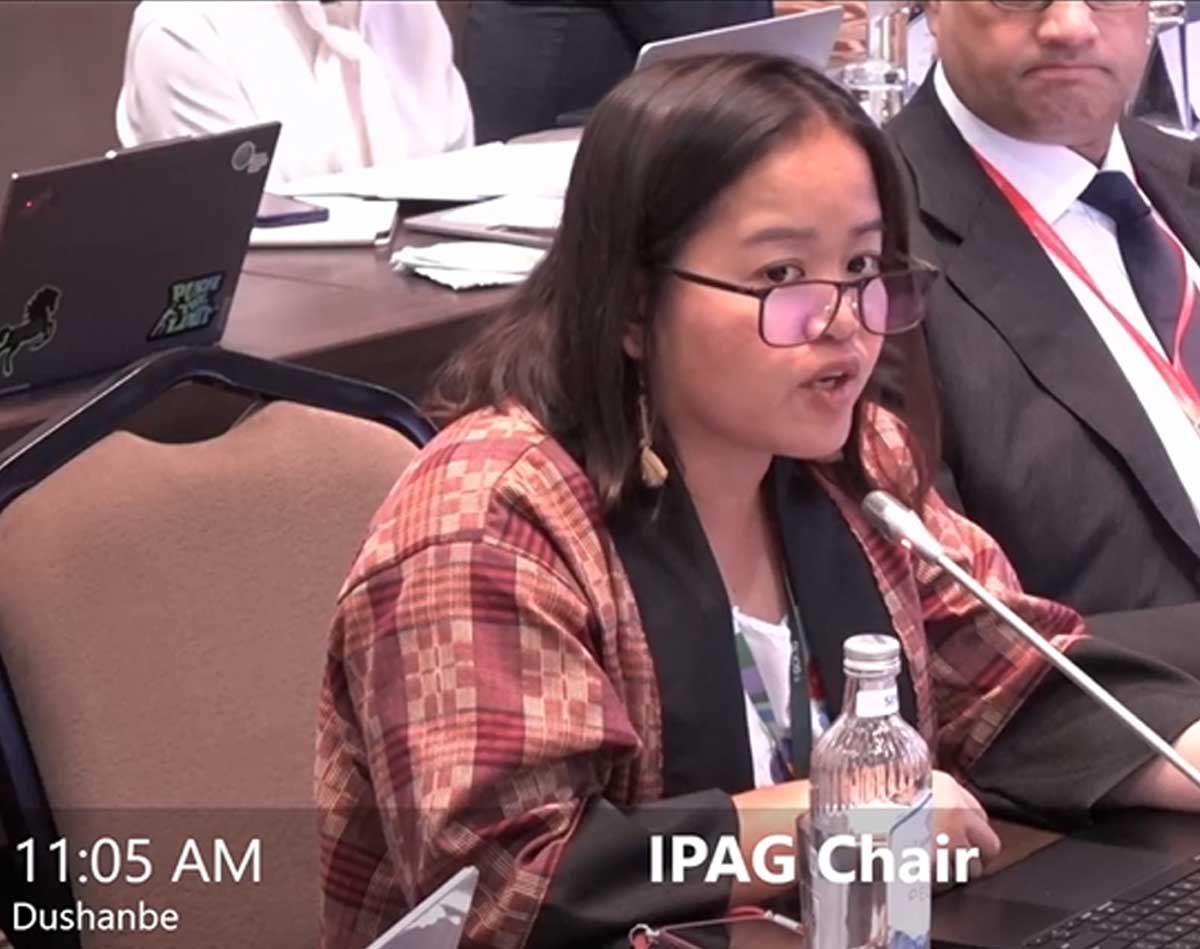
Helen Magata, Member of IPAG
Co-Chairs, Board Members, distinguished delegates,
Thank you for the opportunity to address this meeting of the Board.
On behalf of the Indigenous Peoples Advisory Group, I am honoured to present a summary of the advice of our eighth meeting, held in Songdo from 18th to 22nd of May 2026 — and in particular the IPAG’s advice arising from the discussions of the GCF Global Conference with Indigenous Peoples, convened in April.
The Global Conference drew participants from over 40 countries and created a genuine space for open dialogue, shared learning, and practical problem-solving. The IPAG considers it an outstanding success and we thank the GCF and Malaysia for making it happen.
Board members,
The GCF’s Independent Evaluation Unit has recommended concrete steps to enhance Indigenous Peoples’ access to GCF resources. Acting on that recommendation, the Secretariat has, over recent months, engaged extensively with the IPAG and the broader Indigenous Peoples ecosystem to develop options for strengthening the Indigenous Peoples policy implementation. That process has been guided by a co-design ethic: Indigenous Peoples’ representatives have been active partners in shaping the options under consideration, not merely consultees. The advice I present today reflects that joint endeavour.
The central message of our advice is both simple and urgent.
The GCF Indigenous Peoples Policy remains the strongest and most comprehensive in the multilateral climate finance architecture. But the challenge lies in its implementation. Access by Indigenous Peoples to GCF resources is inadequate. Indigenous Peoples' agency in GCF projects is inadequate. And the structural barriers that produce these outcomes — no-objection letter requirements, fiduciary thresholds designed for large institutional actors, minimum project sizes that far exceed the scale of community-level initiatives — are well understood and within our collective power to address.
The Conference also reaffirmed that the knowledge systems of Indigenous Peoples are not merely complementary to science — they are essential to achieving climate goals, particularly in adaptation. We cannot continue designing climate finance architecture that structurally excludes the communities whose knowledge and leadership we depend upon.
The IPAG has provided substantive input into this work, including on the types of financing approaches that could address the structural barriers I have described — barriers around scale, access modalities, and the ability of Indigenous Peoples’ organisations to engage with the GCF as genuine partners. In doing so, the IPAG has drawn on the direct experiences and priorities of Indigenous Peoples from all regions.
The IPAG’s view is clear: what is needed is not incremental adjustment but a coherent, dedicated approach — one that creates multiple pathways for direct access, resolves the scale mismatch that has excluded Indigenous Peoples’ organisations from the GCF portfolio, and brings the GCF into alignment with peer institutions — the GEF, the World Bank Group, IFAD — that have already established dedicated mechanisms for Indigenous Peoples’s access.
The IPAG therefore recommends that the Board establish a dedicated facility for Indigenous Peoples, with a coherent framework and dedicated resources. The Secretariat is continuing to develop options to that end, and the Board will have the full opportunity to consider and determine the way forward when those options are brought to it — which we anticipate will be at the forty-sixth board meeting. The IPAG looks forward to that consideration, and to the Board’s leadership in shaping the outcome.
Board members,
We also recommend that the IPAG itself be strengthened — with sustained institutional support and adequate resourcing for members and Secretariat counterparts — and we encourage the Board to broaden engagement with the IPAG on relevant matters, including in the replenishment and strategic plan processes.
Board members,
The time for translating ideas into action is now. What Indigenous Peoples are asking for, is not exceptional treatment —we are asking for equitable access to a fund designed, in part, to serve our communities and protect our lands, territories, and ways of life.
I thank you for your attention and for your commitment to this agenda item.