
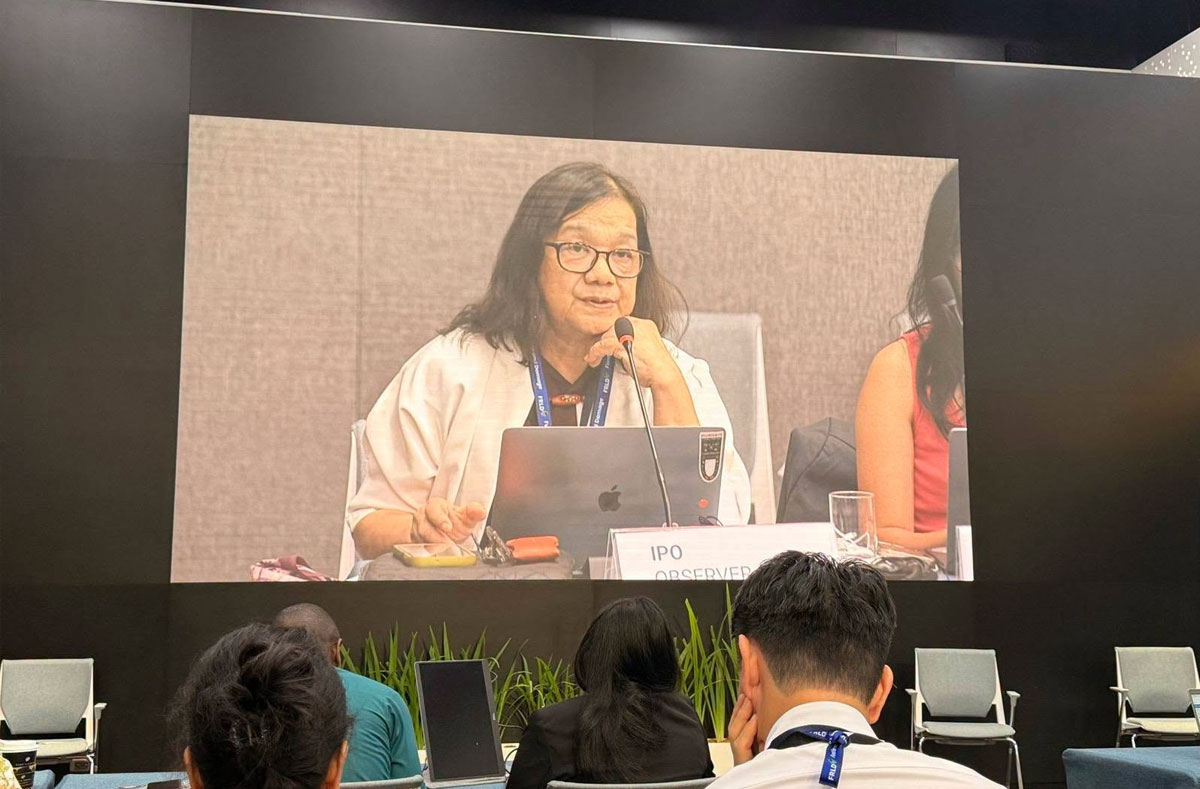
Delivered by Grace Balawag, Tebtebba Foundation, Inc. – Indigenous Peoples’ International Centre for Policy Research and Education, representing the Indigenous Peoples’ Organizations (IPO) Constituency
Thank you for the opportunity to intervene. These comments were coordinated among the ENGO (Environmental Non‑Governmental Organizations), Women & Gender, YOUNGO (Children and Youth Non‑Governmental Organizations) and Indigenous Peoples’ Organizations (IPO) constituencies.
We wanted to comment on the updated Board Work Plan for 2026, which was shared this morning, and includes already an indicative outlook of the Board’s tasks to develop the long-term operational procedures, most of which will only start in earnest in 2027-28.
First, we are dismayed to see that the community grant modality, which was indicated to start after B.9 according to the B.8 version of the work plan, is no longer included, or even referenced in the outlook for 2027-2028. Small grants supporting communities are a dedicated access modality under paragraph 49(d) of the Governing Instrument (GI). While we are glad to see that work on the rapid disbursement modalities is at least referenced for 2027-2028, although likewise postponed, that leaves the small grants modality now as the only mandated access modality that is postponed ad infinitum. This is not acceptable for the affected communities that the Fund has said it is committed to serve.
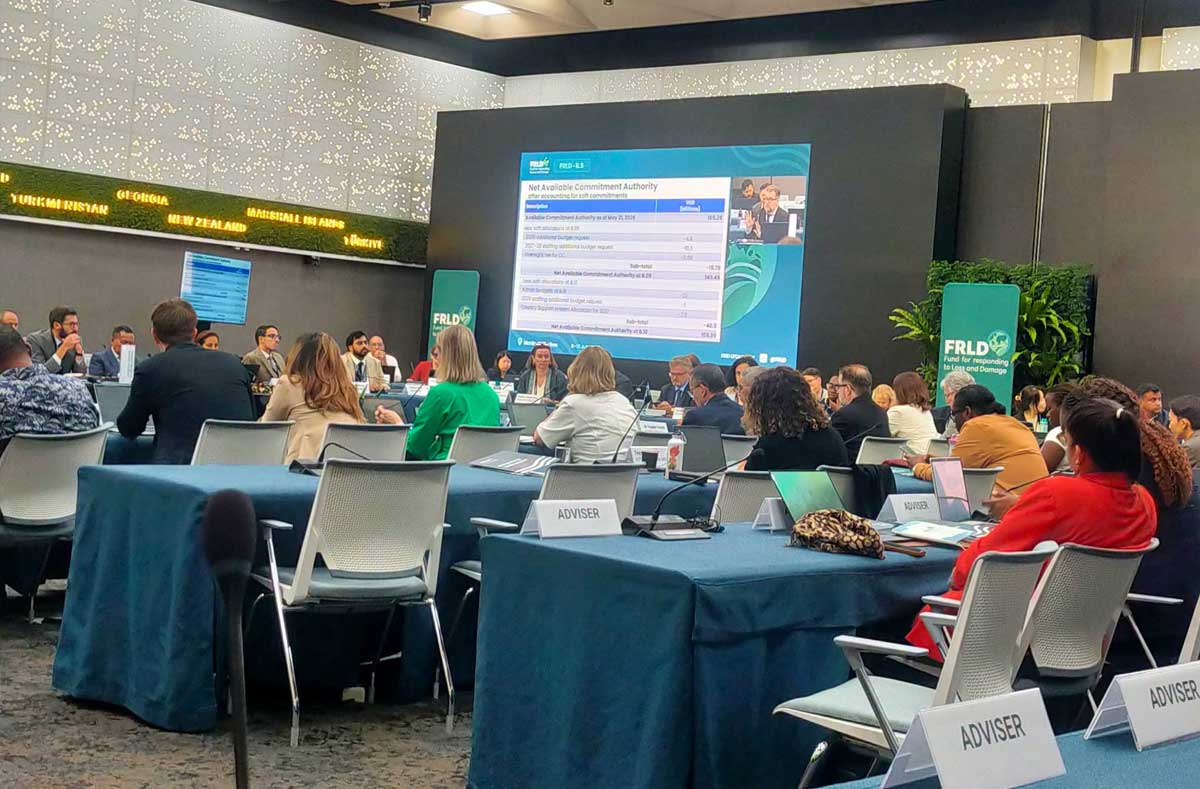
We urge the Board to provide clarity on when the community grant modality is to be considered. Technical work, and consultation with observers, many of whom have hands-on experience working with and advocating for small grants approaches, as reflected in our previous comprehensive submissions, could already start. For example, benchmarking of existing financial intermediary funds that are also providing mechanisms for direct access to communities, including under World Bank hosting arrangements, could begin immediately.
We are pleased to see that the Board intends to adopt a Fund-specific Information Disclosure Policy at B.10. As we have long argued, while some of the project implementation-related aspects of information disclosure fall under the mandate of access and implementing entities, the Fund should also have a dedicated information disclosure policy at the Fund level, specifically for Fund activities that fall outside of project cycles and Funding Requests. In line with best practice, we ask that the Board develops and approves a proactive information policy that starts with a presumption to disclose, to aid the transparency, accountability and effectiveness of the Fund. We also request that observers are involved early in consultations on developing such a policy.
In the same vein, missing from the Board’s workplan is the necessity for the FRLD to have its own human rights-based Gender and Indigenous Peoples policy. The GI is very explicit in paragraph 5 with the mandate to take a culturally sensitive and gender-responsive approach. The mandate of such distinct separate policies on gender and Indigenous Peoples express requirements and an understanding of “doing good” with respect to gender equality and equity and Indigenous Peoples’ rights in all of the Fund’s operations, including at the Secretariat and Board level and in its external engagements.
We therefore call for the Board to put work on a Fund-specific Gender and Indigenous Peoples policies on its workplan as soon as possible, for example by tasking the Secretariat with a benchmarking study as well as a legal analysis on the gaps, and an assessment of what this would entail for the Fund’s long-term operation. We also remind, however, that deliberations on the Gender and Indigenous Peoples policies should not impede resource mobilization and replenishment processes and should not hamper access to the Fund for all developing countries.
I thank you.