International Day of the World's Indigenous Peoples 2024 Message

International Day of the World's Indigenous Peoples 2024 Message

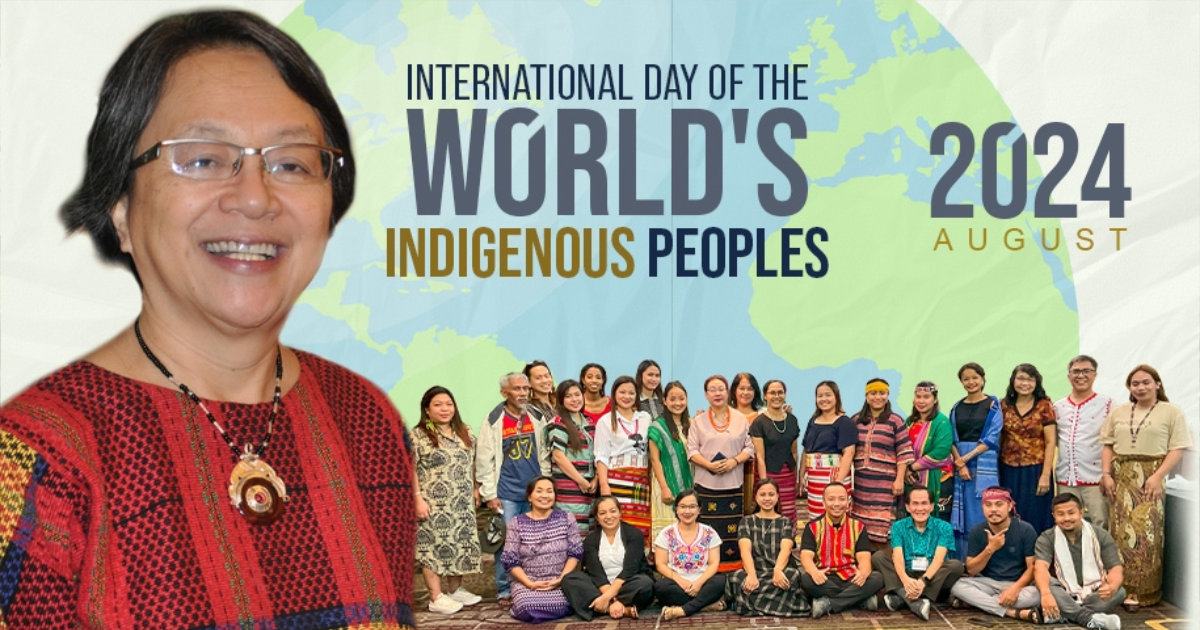
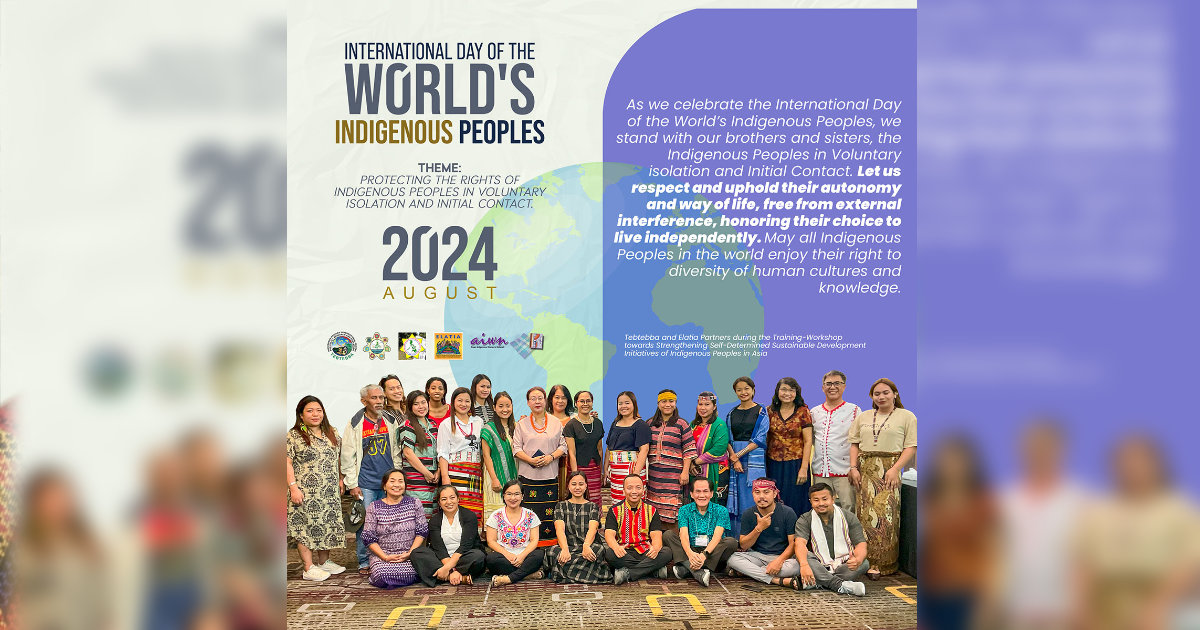
Happy International Day of the World's Indigenous Peoples!

We at Tebtebba, together with our partners in the Philippines, UPAKAT (Philippine Network of Indigenous Knowledge Holders) and our global partners, ELATIA (Indigenous partners in Asia, Africa and Latin America), we wish you more strength and power in your work to build more self-governing and sustainable communities. 

It is always inspiring to see the passion and commitment of indigenous peoples to assert and claim their rights contained in the UN Declaration on the Rights of Indigenous Peoples (UNDRIP) and the ILO Convention 169 on Indigenous and Tribal Peoples. August 9 was the day the UN Working Group on Indigenous Peoples first met at the UN in Geneva in 1982. We celebrate this day when we finally succeeded to get the UN to officially open its door for our participation to raise our issues and craft the UN Declaration on our rights. Since then, we got the UN General Assembly to adopt the UNDRIP in 13 September 2007. 

Our task is to continue our efforts to get States to implement the UNDRIP and establish national laws to recognize and protect our individual and collective rights and corporations to respect our rights. We need to sustain our efforts to empower ourselves. We have come a long way but challenges remain which include criminalization of indigenous persons and organizations, grabbing of ancestral territories, forced displacement, among others. We will not be daunted and we continue to face these problems with grit and determination. Long live indigenous peoples of the world. Mabuhay!!

Victoria Tauli-Corpuz
Executive Director, Tebtebba Foundation


idwip 2024 message 2

Indigenous Peoples Major Group Engages with High-Level Political Forum in New York

Indigenous Peoples Major Group Engages with High-Level Political Forum in New York

New York, July 2024–The Indigenous Peoples Major Group (IPMG) took an active role at the High-Level Political Forum (HLPF) at the United Nations headquarters in New York this past July. The HLPF, which provides a central platform for reviewing the progress of the Sustainable Development Goals (SDGs), included speakers from IPMG who emphasized the need for stronger indigenous participation, protection of rights, and inclusive policies within the SDG framework.


Official Sessions and Key Contributions

The IPMG was represented by four key speakers: Saoudata on Africa and least developed countries (LDCs), Roberto Borrero on climate action (SDG 13), Robie Halip on major groups and other stakeholders (MGOS), and Pablo Miss delivering messages from regional representatives. Each speaker shed light on the unique challenges and contributions of indigenous communities across different regions and highlighted gaps in the current approaches to SDG implementation.

Pablo Miss emphasized the challenges faced in Belize where engaging Indigenous Peoples in SDG consultations has been difficult due to limited resources and multiple stakeholder management issues. He called for increased local representation and regional SDG forums aimed to enhance indigenous voices within national SDG processes, ensuring that they are not overlooked in critical development strategies.

Robie Halip highlighted the limited space for civil society participation within UN processes, referencing the establishment of the Nairobi Conference as a separate venue from official events in New York—a setup criticized by IPMG and other MGOS representatives. She noted the need for better integration of indigenous communities into global development, observing that while human rights concerns are acknowledged, solutions often center around climate financing rather than indigenous rights protections. 

In the Voluntary National Reviews (VNRs), Kimaren Riamit from Kenya raised concerns about the lack of direct references to Indigenous Peoples, as Kenya’s official report merely mentioned “marginalized communities”. Despite efforts by indigenous organizations to submit input, the government’s response remained non-committal. The experience underscored the importance of establishing stronger national relationships to ensure that indigenous issues are recognized within national development agendas.


Climate Action and Water Rights Advocacy

Roberto and other indigenous representatives voiced concerns about the framing of SDG 13 (Climate Action) which increasingly focused on climate finance rather than indigenous land stewardship. The IPMG continues to push for the inclusion of language that in turn aligns with the UN Declaration on the Rights of Indigenous Peoples (UNDRIP), which recognizes indigenous communities as primary stewards of natural resources.

A breakthrough was achieved on SDG 6 (Water) where indigenous representatives, including Ole Riamit, contributed to discussions on the newly adopted UN-wide strategy on water. This involvement represented a positive step toward inclusion, with calls for further indigenous engagement at upcoming global summits on water. IPMG is exploring collaborations with Canadian indigenous non-government organizations (NGOs) and other organizations to bolster indigenous representation in these processes.


Highlighting the Shrinking Space for Civil Society

The IPMG and MGOs collectively raised alarms over the shrinking space for civil society at global forums. Robie pointed out that in recent years, larger NGOs have dominated the civil society process, making it difficult for smaller, community-focused indigenous organizations to participate effectively. This situation has led to a push within the IPMG for greater autonomy and support, particularly for indigenous-led initiatives that can directly influence policy-making on the ground.


Challenges in Representation and the Path Forward

Limited funding and representation at the HLPF affected the IPMG’s ability to influence decisions. Roberto noted that, while some countries like Germany, have begun to provide minimal financial support for indigenous participants, more substantial resources are needed to ensure equitable access to SDG forums. In particular, the IPMG advocates for increased funding for indigenous representatives from VNR countries to attend critical UN events.


Key Recommendations from the IPMG

Enhanced Indigenous Representation: IPMG advocates for indigenous inclusion in future global meetings, such as the Summit of the Future in September 2025 and the World Social Summit in Doha.

Funding for Local and Regional SDG Initiatives: Increased support for local SDG reviews and VNRs, along with a push for voluntary local reviews, to ensure indigenous perspectives are captured at multiple levels of governance.

Data Sovereignty for Indigenous Communities: Ensuring that indigenous communities generate and control their own data rather than relying on large NGOs or governments, thus aligning data collection with community needs and priorities.

Dialogue of the Loss and Damage Fund Board with CSOs/IPOs: 09 July 2024

Dialogue of the Loss and Damage Fund Board with CSOs/IPOs: 09 July 2024

Intervention on the Workplan


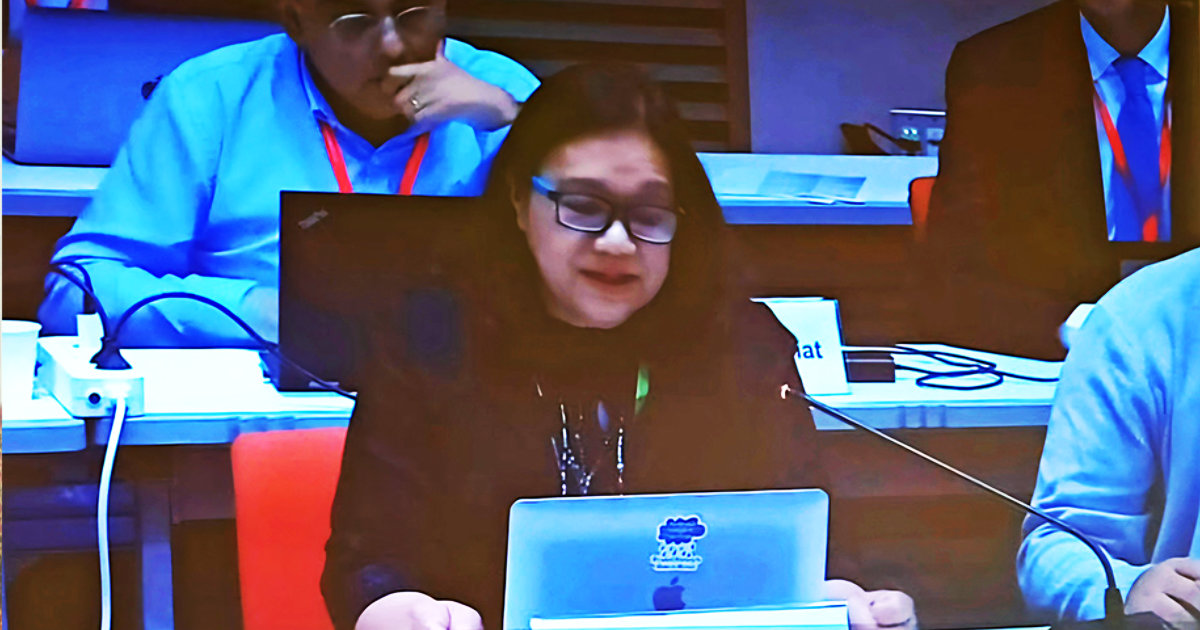
Thanks to the Co-chairs and the members of the Fund Board for this opportunity to have this DIALOGUE with Civil Society and Indigenous Peoples Organizations.  I am Grace Balawag of Tebtebba, the Indigenous Peoples International Centre for Policy Research and Education based in the Philippines, and representing the IPO constituency.  In this dialogue, we would  like to clarify that we are not representing only our respective constituencies but that we have coordinated among the various constituencies and we are covering different issues. So, specifically, I will be intervening on the Workplan:

  • We believe that the Workplan is of crucial importance to take all the necessary steps and develop policies and modalities that should lead to a human rights-based and community-centered Loss and Damage Fund. 
  • The workplan should prioritize urgent operationalization of the fund, direct access to resources for vulnerable countries, and community-centered approaches, with clear timelines and deliverables.
  • We highlight the importance of modalities for public participation: There is a strong expectation that participation modalities will go well beyond established modalities for participation in other climate funds such as the need for a comprehensive approach to realizing meaningful participation and inclusion in all levels of the fund, from policy-making at the Board level to implementing and monitoring at the community level.
  • We hope the Board will prioritize the setting up of a dedicated community access window that will realize simplification of direct access to small grants funding for affected communities, Indigenous Peoples, and those facing marginalization. Such a dedicated window will confirm the Fund’s intention and ambition to make priority support for those in the most vulnerable situations a central tenet of its funding mission.
  • One crucial element is the development of a comprehensive Resource mobilization strategy reflecting the scale required (trillions not millions) and obligation of the developed countries to promptly deliver based on stringent timelines.
  • We welcome the development of a dedicated framework for the best practice of environmental and social safeguards to avoid harm to communities and their environment, as well as the operationalization of an independent grievance redress mechanism. We ask the Board to be explicit about the intention to have dedicated mechanisms in place for the Fund. 
  • In addition, the Fund also needs to develop proactive, dedicated policies such as an Indigenous Peoples policy, a gender policy and a youth policy, which are currently not mentioned in the Workplan. The same counts for putting in place a proactive information disclosure policy.
  • Lastly, with regards to the potential operationalization of the Fund as a World Bank Financial Intermediary Fund, we highlight the need for accountability and disclosure, including through the involvement of observers and to the broader public, to secure the independence of the Fund and the full compliance with the 11 conditions set out in the COP/CMA.
  • We are aware that the operationalization of all of these modalities in the context of the urgency to delivering funding is a daunting task for the Board. We would however caution against disbursing any funding before the modalities that will ensure the protection and fulfillment of the rights of those the Fund is meant to serve are in place. Civil society and Indigenous Peoples are here to support the development of any of these important modalities. 
Indigenous Navigator Initiative Empowers Indigenous Peoples’ Rights and Development in the Philippines

Indigenous Navigator Initiative Empowers Indigenous Peoples’ Rights and Development in the Philippines

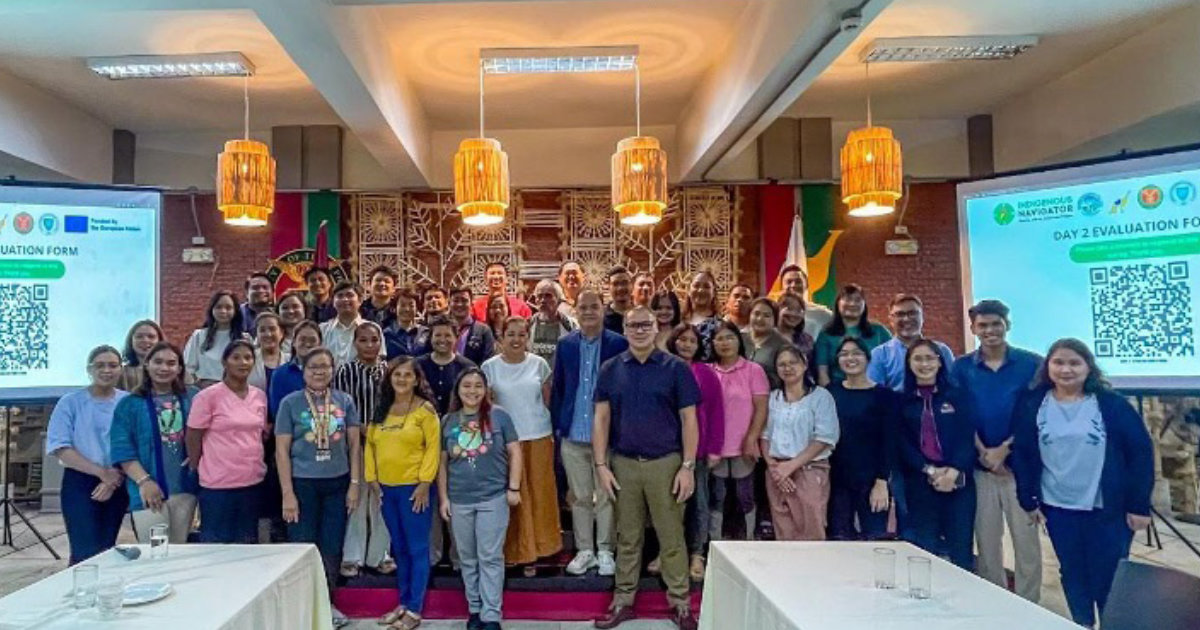
Quezon City, Philippines – A national training-workshop held by the Indigenous Navigator Philippines marks a significant milestone in advancing Indigenous Peoples’ rights and development. Organized in partnership with the Indigenous Peoples International Centre for Policy Research and Education (Tebtebba), Pangasinan Polytechnic College, and the Asian Institute of Tourism, the event took place on June 19-20, 2024 at the Asian Institute of Tourism, University of the Philippines-Diliman, Philippines.

The workshop was aimed at empowering Indigenous Peoples in utilizing the Indigenous Navigator (IN) framework, a set of tools designed to help communities monitor the implementation of the UN Declaration on the Rights of Indigenous Peoples (UNDRIP) and Sustainable Development Goals (SDGs). This event targeted four primary goals: ensuring reliable data on Indigenous Peoples’ rights, producing knowledge products for policy influence, strengthening the Indigenous Navigator consortium, and enhancing Indigenous communities’ capacity to pursue self-determined development.

Victoria Tauli-Corpuz, Tebtebba’s Executive Director and former UN Special Rapporteur on the Rights of Indigenous Peoples, opened the workshop by emphasizing the importance of Indigenous-generated data. “The Indigenous Navigator enables communities to gather their own data to prioritize needs within their territories, determine their development paths, and assert their rights,” said Tauli-Corpuz. She highlighted the need for disaggregated data to support Indigenous Peoples’ rights on both local and international platforms.

In his welcome address, University of the Philippines-Diliman Chancellor Edgardo Carlo Vistan II echoed this sentiment, noting the university’s commitment to preserving indigenous knowledge, or katutubong kaalaman. “The Indigenous Peoples deserve equitable access to development and peace,” he said. Chancellor Vistan anticipates that the IN framework will significantly advance indigenous communities’ rights through participatory data collection and monitoring.

Professor Raymundo Rovillos, Pangasinan Polytechnic College President and National Lead of IN-Philippines, provided an overview of the IN framework, highlighting its utility in tracking Indigenous Peoples’ rights. He explained that the IN surveys combine quantitative and qualitative data to evaluate the status of Indigenous Peoples’ rights and well-being, covering critical areas such as human rights, sustainable development, and local implementation of the UNDRIP.

The workshop also addressed the alignment of SDGs with Indigenous Peoples’ needs. Robeliza Halip of the Indigenous Peoples Major Group for Sustainable Development Coordinator shared insights on how SDGs support the Universal Declaration on Human Rights and other global human rights standards. She reinforced the agenda’s pledge to “leave no one behind”, emphasizing that policies impacting Indigenous Peoples must align with these principles.

Additionally, Judith V. Gondra National Economic and Development Authority (NEDA) outlined the Philippine Development Plan 2023-2028, which envisions an inclusive and resilient society. She underscored the government’s commitment to the SDGs, particularly SDG targets 2.3 and 4.5, which focus on Indigenous Peoples’ rights to equitable development.

Participants also learned practical skills for utilizing the IN portal, an online resource that supports data access and community-led development. Government agency representatives, indigenous organizations and community members discussed current initiatives, challenges and opportunities for collaboration.


Consolidating and Sharing Insights for Future Action

Workshop outputs, including national survey questionnaires and preliminary findings, will be consolidated and shared with participants. A follow-up meeting with government agencies is planned to validate and update the report with recent initiatives.


Funded by the European Union, this workshop represents a continued commitment to recognizing, protecting, and promoting the rights of Indigenous Peoples in the Philippines.

World Bank Philippines Launches ‘Our Data: Our Story’ to Drive Inclusive Development for Indigenous Peoples

World Bank Philippines Launches ‘Our Data: Our Story’ to Drive Inclusive Development for Indigenous Peoples

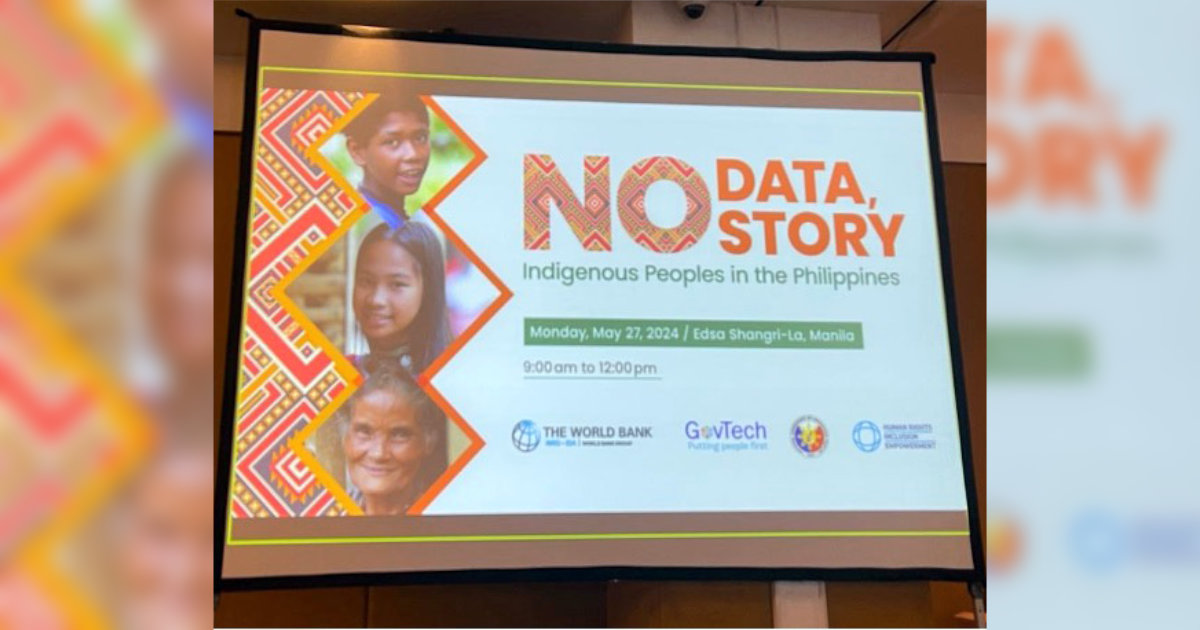
May 27, 2024—The World Bank Philippines unveiled its Our Data: Our Story, a publication aimed at closing the data gap and driving more inclusive, data-driven policymaking. This project emphasizes the importance of using data to improve the lives of Indigenous Peoples (IPs), whose access to essential services remains limited. 

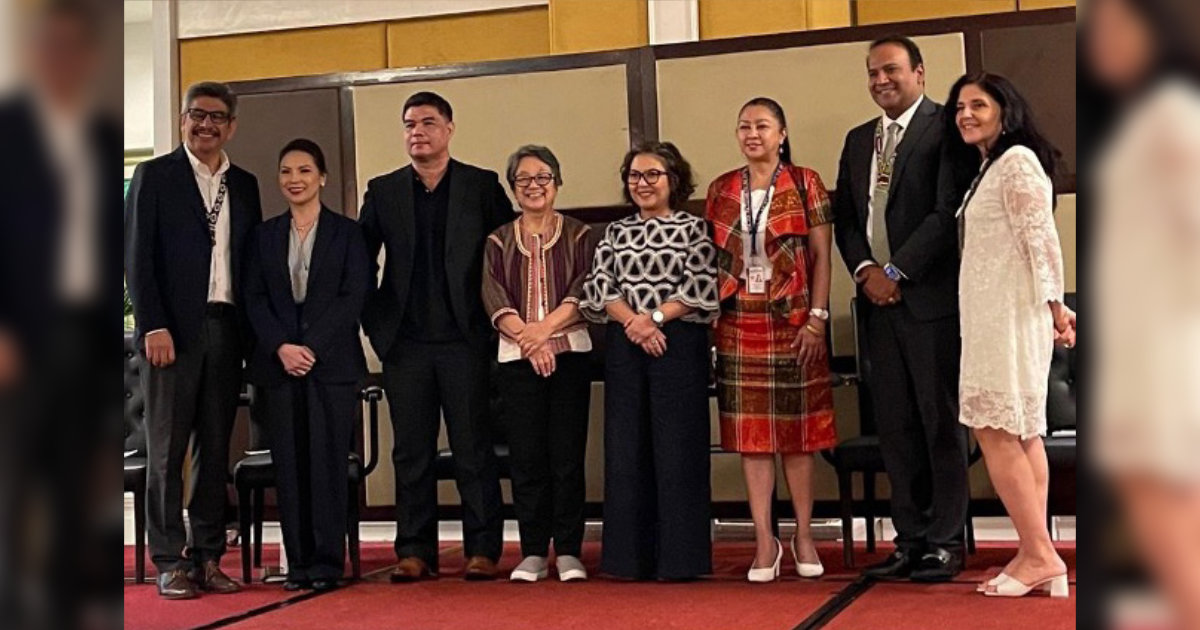
The event, held in Manila, brought together a diverse group of policymakers, development experts, civil society representatives, and data advocates. Among the keynote speakers was Ndiamé Diop, the World Bank country director for the Philippines, Brunei, Malaysia, and Thailand, who stressed the significance of disaggregating data to better inform policy.


The Power of Disaggregated Data

Diop highlighted how critical it is to break down data to understand the nuances of local issues, especially indigenous communities. He noted that one of the report’s key findings was that delays in processing Certificates of Ancestral Domain Titles (CADTs) could exacerbate conflicts. “This brings us to a crucial point: we need to support the National Commission on Indigenous Peoples (NCIP) in processing the delineation and registration of CADTs at a faster pace,” Diop said. He also emphasized the need for deliberate policies that enhance IPs’ access to water, sanitation, education, and healthcare while preserving their cultural identity.

Moreover, Diop pointed out the geographic isolation of many indigenous communities, noting that “improving connectivity and interventions in these areas could go a long way in reducing poverty and improving welfare.” According to Diop, these efforts are vital to strengthening sustainable and inclusive growth in the Philippines. The World Bank is committed to supporting the government’s initiatives to improve the welfare of Filipino IPs by promoting indigenous knowledge and protecting IP rights to land and resources.


Supporting Indigenous Peoples Through Policy

Fatima Aliah W. Dimaporo, Undersecretary for Legislative Affairs at the Department of Social Welfare and Development (DSWD), shared how DSWD has been working to address the unique needs of IPs. She highlighted several initiatives, such as the Pantawid Pamilyang Pilipino Program (4Ps) and the Kapit-Bisig Laban sa Kahirapan - Comprehensive and Integrated Delivery of Social Services (KALAHI-CIDSS), which empower IP communities by providing access to essential services. Recently, the DSWD incorporated ethnicity variables into its social safety net programs, as seen in the Modified Conditional Cash Transfer program for IPs in geographically isolated areas.

Dimaporo also emphasized the department’s ongoing collaboration with the World Bank, particularly in projects like Panahon sa Pagkilos, which aims to improve services for marginalized communities, including those affected by climate change. “The report sheds light on crucial issues like education, health, and access to clean water among Indigenous Peoples,” said Dimaporo, adding that the DSWD has initiated a pilot profiling of IPs to gather comprehensive data and refine its strategies.


wbp launches our data 2


Challenges in Indigenous Data Collection

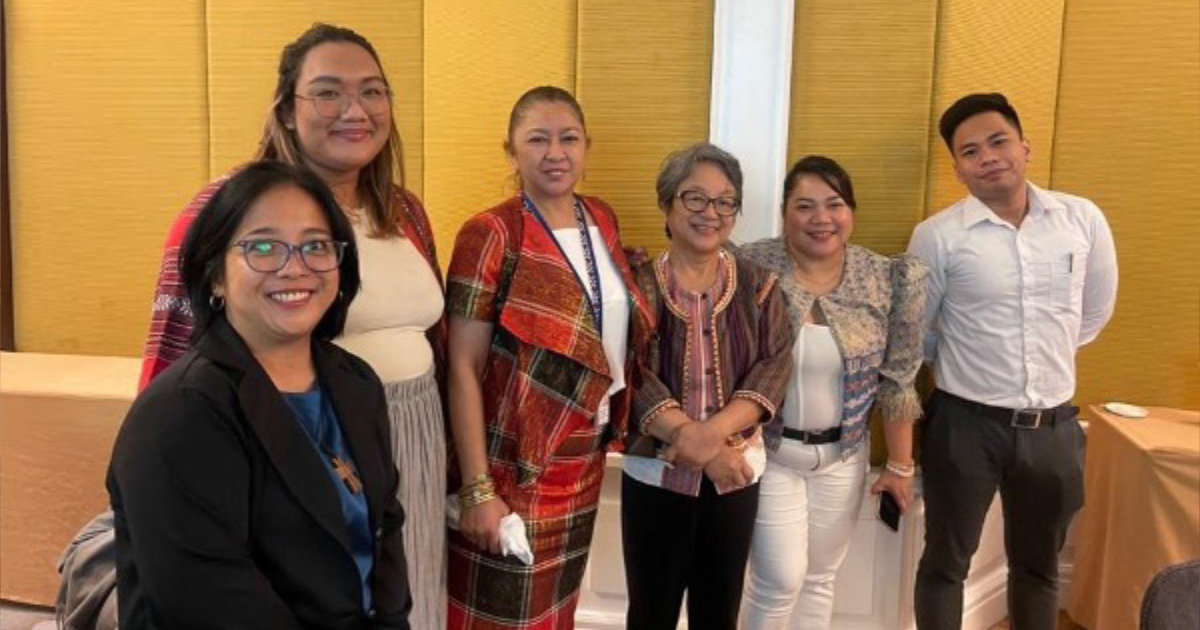
Jennifer Pia Sibug-Las, Chairperson of the NCIP, addressed the challenges in collecting accurate data on IPs. She highlighted the ambiguity surrounding IP data and statistics and the need for more culturally sensitive data-gathering methods. “One of the biggest challenges is the remoteness of IP communities, which sometimes requires enumerators to hike for days. This often leads to underrepresentation of IPs in national statistics,” said Sibug-Las.

The discussion also explored the role of political structures within indigenous communities, noting that many IPs are governed by lineage-based systems that complicate policy interventions. She stressed the importance of empowering IP organizations, building their capacity, and ensuring that IPs are visible in policy discussions.


Conflict, Land Rights, and the Need for Inclusive Development

One of the most pressing issues identified during the launch was the interconnectedness of land rights, ethnic identity, and conflict. Only 20% of CADTs are currently registered, a statistic that underscores the need for faster processing to avoid conflicts. The panel stressed that silencing issues concerning vulnerable groups, including IPs, is a significant problem that stems from the lack of robust, disaggregated, and objective data.

“Without proper data, the issues faced by IPs will remain silent,” Nikki said, adding that political processes often suppress the truth about the real conditions in conflict-affected regions like the Bangsamoro Autonomous Region in Muslim Mindanao (BARMM), Davao Region, and Caraga Administrative Region. The report further highlighted the unique challenges faced by Non-Moro Indigenous Peoples (NMIPs) in BARMM, particularly in relation to ancestral domain claims, which are threatened by current legislative debates.


Moving Forward: A Commitment to Inclusive Growth

As the Our Data: Our Story unfolds, the World Bank and its partners aim to ensure that the insights from this initiative inform policies that address the distinct needs of Indigenous Peoples. Diop closed his speech by reaffirming the World Bank’s commitment, “Improving the welfare of Indigenous Peoples is not just about poverty reduction—it’s about ensuring long-term social cohesion and sustainable development. This requires respecting and integrating indigenous knowledge, protecting their land rights, and providing equitable access to services and economic opportunities.”

The World Bank, in collaboration with government agencies like the DSWD and NCIP, hopes that the report and future actions will shape policies, development programs, and advocacy efforts that improve the lives of IPs across the Philippines.


wbp launches our data 3

Tebtebba dn NCIP