Tebtebba Press Release: Transition in Leadership

Tebtebba Press Release: Transition in Leadership

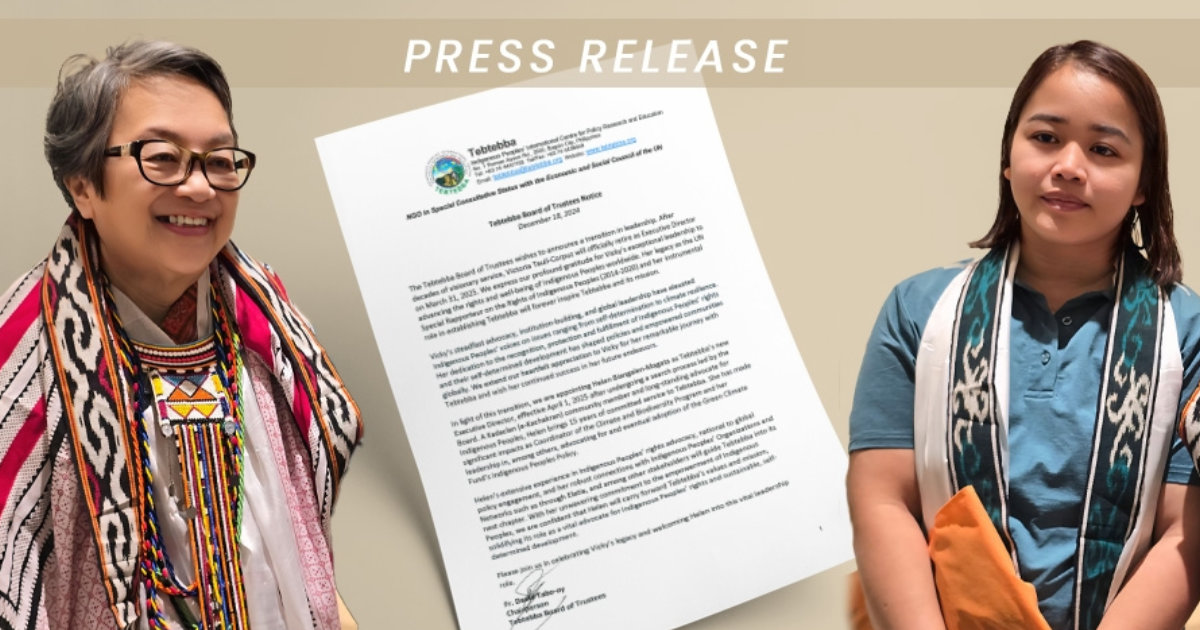
Tebtebba Board of Trustees Notice

December 18, 2024

The Tebtebba Board of Trustees wishes to announce a transition in leadership. After decades of visionary service, Victoria Tauli-Corpuz will officially retire as Executive Director on March 31, 2025. We express our profound gratitude for Vicky's exceptional leadership to advancing the rights and well-being of Indigenous Peoples worldwide. Her legacy as the UN Special Rapporteur on the Rights of Indigenous Peoples (2014-2020) and her instrumental role in establishing Tebtebba will forever inspire Tebtebba and its mission.

Vicky's steadfast advocacy, institution-building, and global leadership have elevated Indigenous Peoples' voices on issues ranging from self-determination to climate resilience. Her dedication to the recognition, protection and fulfillment of Indigenous Peoples' rights and their self-determined development has shaped policies and empowered communities globally. We extend our heartfelt appreciation to Vicky for her remarkable journey with Tebtebba and wish her continued success in her future endeavors.

In light of this transition, we are appointing Helen Biangalen-Magata as Tebtebba's new Executive Director, effective April 1, 2025 after undergoing a search process led by the Board. A Kadaclan (e-Kachakran) community member and long-standing advocate for Indigenous Peoples, Helen brings 15 years of committed service to Tebtebba. She has made significant impacts as Coordinator of the Climate and Biodiversity Program and her leadership in, among others, advocating for and eventual adoption of the Green Climate Fund's Indigenous Peoples Policy.

Helen's extensive experience in Indigenous Peoples' rights advocacy, national to global policy engagement, and her robust connections with Indigenous Peoples' Organizations and Networks such as through Elatia, and among other stakeholders will guide Tebtebba into its next chapter. With her unwavering commitment to the empowerment of Indigenous Peoples, we are confident that Helen will carry forward Tebtebba's values and mission, solidifying its role as a vital advocate for Indigenous Peoples' rights and sustainable, self­ determined development.

Please join us in celebrating Vicky's legacy and welcoming Helen into this vital leadership role.

(SGD) Fr. Dave Tabo-oy
Chairperson
Tebtebba Board of Trustees
Elatia Partners Deliberate on the Capacity  Building of Second-Generation Indigenous Leaders

Elatia Partners Deliberate on the Capacity Building of Second-Generation Indigenous Leaders

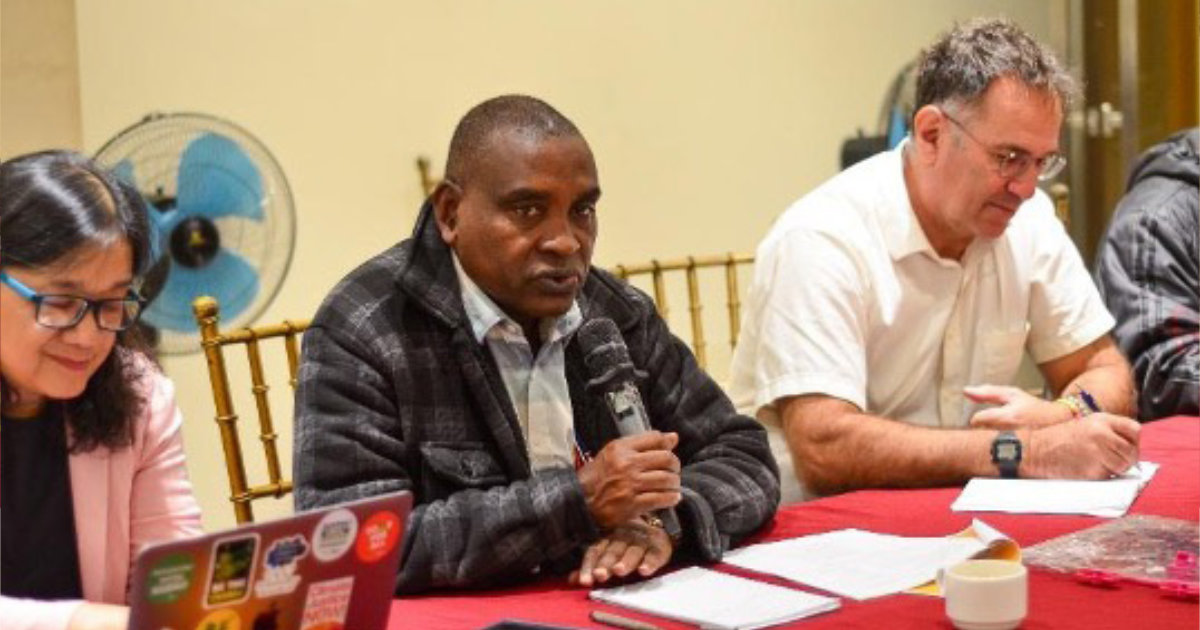
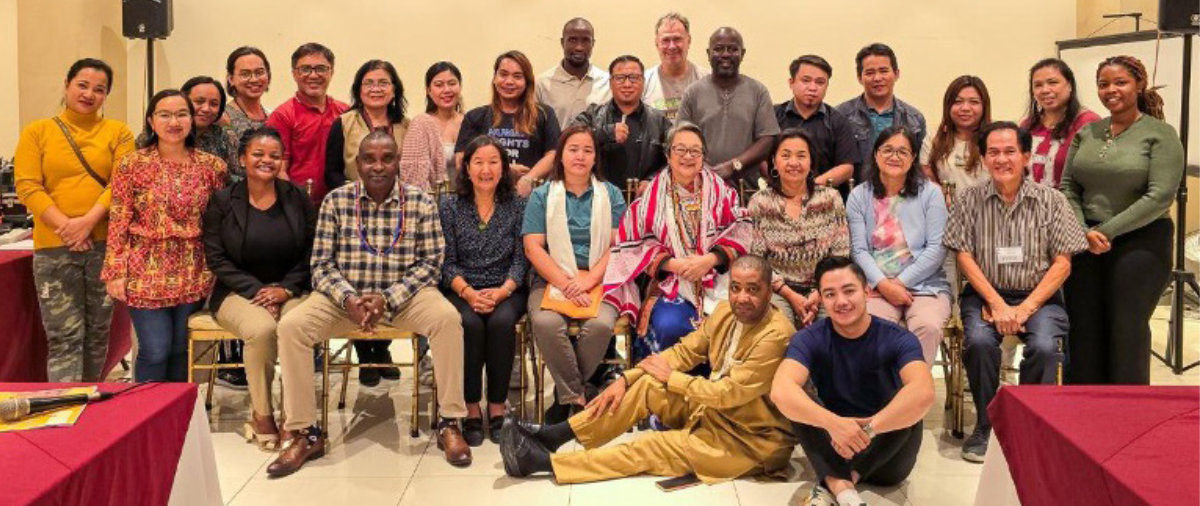
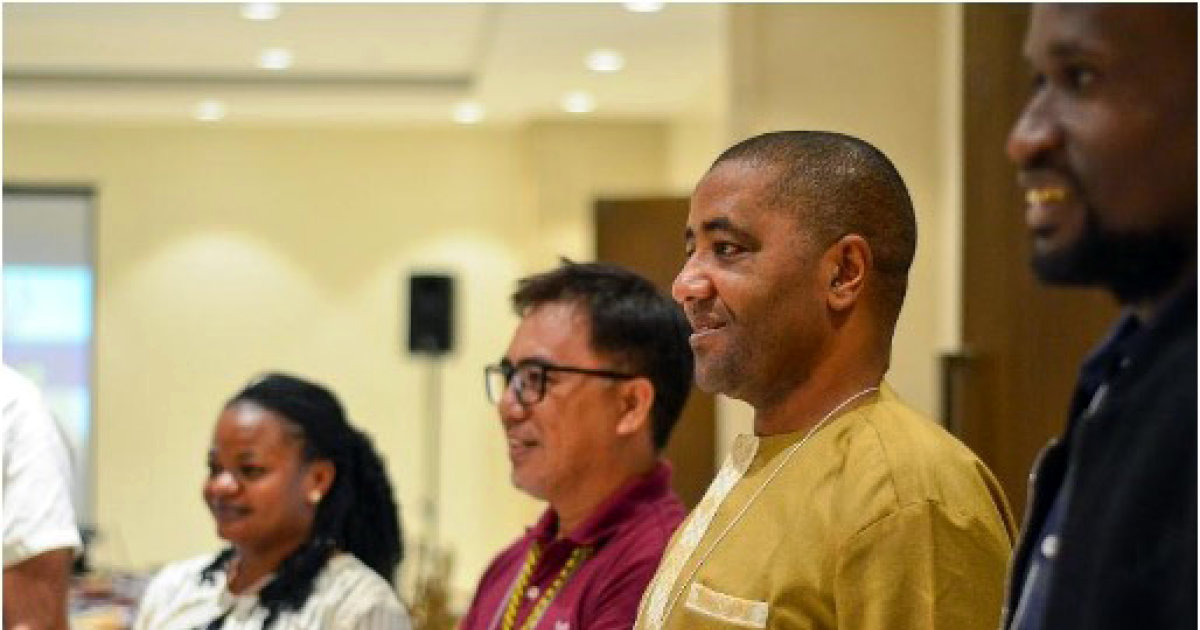
Key officials of ELATIA partners in Asia and Africa held a strategic meeting on the capacity building programs for second-generation indigenous leaders implemented in the different indigenous communities during the previous years on December 11-13, 2024 in Baguio City in the Philippines. 

The meeting revisited the capacity building programs initiated and implemented by ELATIA partners in Africa, Asia, and Latin America, highlighting the outcomes as well as the challenges met. The capacity building activities conducted included raising awareness on the essential elements of the integrated and holistic approach to Indigenous Peoples’ Sustainable Self-Determined Development (IPSSDD), which is the development framework of ELATIA, and on the rights of Indigenous Peoples including indigenous women’s rights. 

There were also training activities focused on accessing and using international human rights law and the human rights mechanisms and on data-gathering for sustainable development and advocacy using community-based monitoring and information systems (CBMIS) and the Indigenous Navigator (IN) tools. Moreover, there were capacity building initiatives that supported livelihoods and the preservation of traditional knowledge and practices of Indigenous Peoples as well as initiatives that provided relief and assistance to conflict-displaced Indigenous Peoples. 


elatia partners capacity building second generation leaders 3


Gaps, opportunities, and recommendations to sustain future capacity building programs were also  identified. Alongside identified gaps and challenges, potential opportunities and recommendations were also highlighted–junctures and implements can be pursued to sustain initiatives of ELATIA for capacity building and for sustainable self-determined development in general. 

“We need to reflect and think ahead on what to do next…We continue to struggle because we have a hope that the world will be better,” stressed Joseph Ole Simel, executive director of Mainyoito Pastoralists Integrated Development Organization in Kenya.

Updates from important meetings on climate change, biodiversity, sustainable development, desertification, climate finance, and women, among others, were also provided by ELATIA partners who have been engaging and participating in those meetings.

ELATIA partners in Latin America, however, were not able to join the said strategic meeting.


elatia partners capacity building second generation leaders 2

Philippines Hosts 4th Board Meeting of the Fund for Responding to Loss and Damage

Philippines Hosts 4th Board Meeting of the Fund for Responding to Loss and Damage

The Philippines hosted the 4th Board Meeting of the Fund for Responding to Loss and Damage (FRLD) at the Philippine International Convention Center in Pasay City, Philippines on 2-5 December 2024. The meeting brought together government representatives, civil society organizations, and representatives from women, youth, and Indigenous Peoples constituencies to discuss the Fund’s strategic direction.

The FRLD, established at the UN Framework Convention on Climate Change (UNFCCC) Conference of Parties (COP) 27 and operationalized at COP 28, is mandated to provide assistance to vulnerable developing countries in responding to economic and non-economic loss and damage associated with the adverse impacts of climate change. During the meeting, several issues were discussed but some of the agenda were relatively relevant to Indigenous Peoples.

Ibrahima Cheikh Diong, executive director of the FRLD, presented key strategic priorities for the Fund's initial intervention for 2025-2026. These included the development of country-led national strategies for responding to loss and damage, which would be tailored to each country's specific needs and aligned with their national recovery plans where applicable. He added the importance of enabling rapid disbursement of funds for climate-induced extreme weather events, stressing the goal of leveraging existing national and regional mechanisms to maximize impact. This approach is hopefully designed to ensure efficient fund allocation while complying with high fiduciary standards and adhering to environmental and social safeguards.

Diong also emphasized the need to develop and leverage existing small grant programs and facilitate direct deployment of grants to vulnerable communities and populations, including Indigenous Peoples. This is to prioritize locally-led initiatives and enhance community capacity to respond and address loss and damage while supporting their livelihoods.

The Board also adopted a “blanket approach” for accrediting observers, simplifying the process for organizations accredited by the UNFCCC, other operating entities of financial mechanisms of the Convention, the Adaptation Fund, the Special Climate Change Fund, and the Least Developed Countries Fund. This approach will be applied for an interim of two years and not more than three years and until a comprehensive framework for overall engagement of observers is developed.

A proposal to include the private sector as an active observer in the Fund's governance was opposed by the civil society organizations (CSOs). They argued that such inclusion could prioritize corporate interests over the needs of vulnerable communities, and that it is not reflected in the governing instrument of the Fund. The Board postponed the adoption of the active observer policy and requested the secretariat to conduct further consultations with the nine constituencies of the UNFCCC and other stakeholders on the matter.

The meeting also discussed the first annual High-Level Dialogue on Complementarity and Coherence of Funding Arrangements. This is set to happen in April 2025 in Washington, D.C. The annual dialogue provides another platform of engagement for indigenous groups to advocate for greater alignment between the Fund's objectives and their priorities and needs in addressing loss and damage.

On the sideline of the formal meeting, Indigenous Peoples’ representatives participated in a dialogue with the Board. They shared valuable insights from their experiences with direct finance, highlighting the Pawanka Fund and the International Fund for Agricultural Development (IFAD) of the Food and Agriculture Organization (FAO). These facilities were presented as examples of models that the Fund can learn from for a better community access modality.

As the Fund continues to evolve, the discussions held in the Philippines provided a view of its strategic future direction. CSOs, including Indigenous Peoples and other right-holder groups, are expected to remain engaged in shaping the Fund’s overall framework to ensure that it effectively addresses and responds to loss and damage experienced by most vulnerable populations. The next Board meeting is scheduled to take place on 8-10 April 2025 in Barbados.

Philippines Hosts 4th Board Meeting of the Fund for  Responding to Loss and Damage

Philippines Hosts 4th Board Meeting of the Fund for Responding to Loss and Damage

The Philippines hosted the 4th Board Meeting of the Fund for Responding to Loss and Damage (FRLD) at the Philippine International Convention Center in Pasay City, Philippines on 2-5 December 2024. The meeting brought together government representatives, civil society organizations, and representatives from women, youth, and Indigenous Peoples constituencies to discuss the Fund’s strategic direction.

The FRLD, established at the UN Framework Convention on Climate Change (UNFCCC) Conference of Parties (COP) 27 and operationalized at COP 28, is mandated to provide assistance to vulnerable developing countries in responding to economic and non-economic loss and damage associated with the adverse impacts of climate change. During the meeting, several issues were discussed but some of the agenda were relatively relevant to Indigenous Peoples.

Ibrahima Cheikh Diong, executive director of the FRLD, presented key strategic priorities for the Fund’s initial intervention for 2025-2026. These included the development of country-led national strategies for responding to loss and damage, which would be tailored to each country’s specific needs and aligned with their national recovery plans where applicable. He added the importance of enabling rapid disbursement of funds for climate-induced extreme weather events, stressing the goal of leveraging existing national and regional mechanisms to maximize impact. This approach is hopefully designed to ensure efficient fund allocation while complying with high fiduciary standards and adhering to environmental and social safeguards.

Diong also emphasized the need to develop and leverage existing small grant programs and facilitate direct deployment of grants to vulnerable communities and populations, including Indigenous Peoples. This is to prioritize locally-led initiatives and enhance community capacity to respond and address loss and damage while supporting their livelihoods.

The Board also adopted a “blanket approach” for accrediting observers, simplifying the process for organizations accredited by the UNFCCC, other operating entities of financial mechanisms of the Convention, the Adaptation Fund, the Special Climate Change Fund, and the Least Developed Countries Fund. This approach will be applied for an interim of two years and not more than three years and until a comprehensive framework for overall engagement of observers is developed.

A proposal to include the private sector as an active observer in the Fund’s governance was opposed by the civil society organizations (CSOs). They argued that such inclusion could prioritize corporate interests over the needs of vulnerable communities, and that it is not reflected in the governing instrument of the Fund. The Board postponed the adoption of the active observer policy and requested the secretariat to conduct further consultations with the nine constituencies of the UNFCCC and other stakeholders on the matter.

The meeting also discussed the first annual High-Level Dialogue on Complementarity and Coherence of Funding Arrangements. This is set to happen in April 2025 in Washington, D.C. The annual dialogue provides another platform of engagement for indigenous groups to advocate for greater alignment between the Fund’s objectives and their priorities and needs in addressing loss and damage.

On the sideline of the formal meeting, Indigenous Peoples’ representatives participated in a dialogue with the Board. They shared valuable insights from their experiences with direct finance, highlighting the Pawanka Fund and the International Fund for Agricultural Development (IFAD). These facilities were presented as examples of models that the Fund can learn from for a better community access modality.

As the Fund continues to evolve, the discussions held in the Philippines provided a view of its strategic future direction. CSOs, including Indigenous Peoples and other right-holder groups, are expected to remain engaged in shaping the Fund’s overall framework to ensure that it effectively addresses and responds to loss and damage experienced by most vulnerable populations. The next Board meeting is scheduled to take place on 8-10 April 2025 in Barbados. 

Indigenous Peoples Call for Strengthened Engagement with the World Bank:  Key Recommendations from Regional Dialogue in Cambodia

Indigenous Peoples Call for Strengthened Engagement with the World Bank: Key Recommendations from Regional Dialogue in Cambodia

Siem Reap, Cambodia–In a dialogue held in Siem Reap, Cambodia, representatives from indigenous communities across Asia came together with the World Bank to discuss the future of Indigenous Peoples’ (IPs) engagement in development initiatives. The Asia Indigenous Peoples Regional Dialogue, held on November 8-9, 2024, resulted in a series of critical recommendations aimed at enhancing the World Bank’s policies and practices to better respect and include Indigenous Peoples in development processes.

The event marked a significant milestone in the ongoing dialogue between the World Bank and indigenous communities. During the two-day discussion, participants acknowledged that while existing frameworks, particularly the World Bank’s Environmental and Social Framework (ESF), had been shaped by years of IP advocacy, there was still much work to be done to ensure that indigenous voices are fully integrated into development policies and projects.


Recommendations to the World Bank: Strengthening Engagement and Policies

 A central theme of the dialogue was the need for the World Bank to strengthen its engagement with Indigenous Peoples at every level of its operations. The key recommendations underscored the importance of meaningful participation of indigenous communities from project design to monitoring, ensuring that their perspectives are incorporated in the policies that affect them.

Investing in Capacity Building

Indigenous communities need further investment in their capacity to engage in development processes. This includes providing resources for learning spaces, ensuring access to understandable project information, and offering specialized training to facilitate effective participation in consultations and policy design.

Institutionalizing Independent Engagement

The World Bank was urged to institutionalize independent dialogues with Indigenous Peoples and their organizations, establishing mechanisms that allow for their full participation in the co-design of development projects. This engagement should be supported with adequate time, space, and resources to ensure IPs’ voices are central in decision-making processes.

Tailored Country-Level Strategies

Each country has unique challenges regarding IP’ participation in development, and the World Bank was urged to develop tailored country-specific strategies. The dialogue highlighted the need for robust relationships between local and national government bodies and indigenous communities to ensure that projects are inclusive and culturally sensitive.

Supporting Indigenous-Led Development

One of the core recommendations was for the World Bank to invest in indigenous-led initiatives that respect traditional knowledge, land rights, and sustainable practices. This includes funding for programs that promote land conservation, traditional ecological knowledge, and cultural preservation.

Strengthening Gender and Youth Representation

Ensuring that indigenous women and youth have a seat at the table is crucial for fostering inclusive development. The dialogue called for gender-sensitive approaches in all development processes, including in grievance redress mechanisms (GRM), and the establishment of specific spaces for youth and women to engage in.


A Call for Action: Moving Forward Together

The dialogue concluded with a unified call for the World Bank to continue working with Indigenous Peoples in a meaningful, respectful and inclusive manner. It was clear that while progress has been made, much more remains to be done to ensure that indigenous communities are fully empowered to shape their futures in collaboration with global development institutions.

By building on the existing policy frameworks and taking action on these recommendations, it was deemed that the World Bank has an opportunity to set a global standard for inclusive, equitable development that respects and advances the rights of Indigenous Peoples.

The Asia Indigenous Peoples Regional Dialogue reaffirmed the importance of working together—indigenous communities, the World Bank and governments—to create development pathways that are sustainable, respectful, and reflective of the diverse cultures and needs of Indigenous Peoples across Asia.