“The revival, strengthening, as well as the government’s support and recognition of the sulagad system of livelihood make way for added food security and environmental protection.”
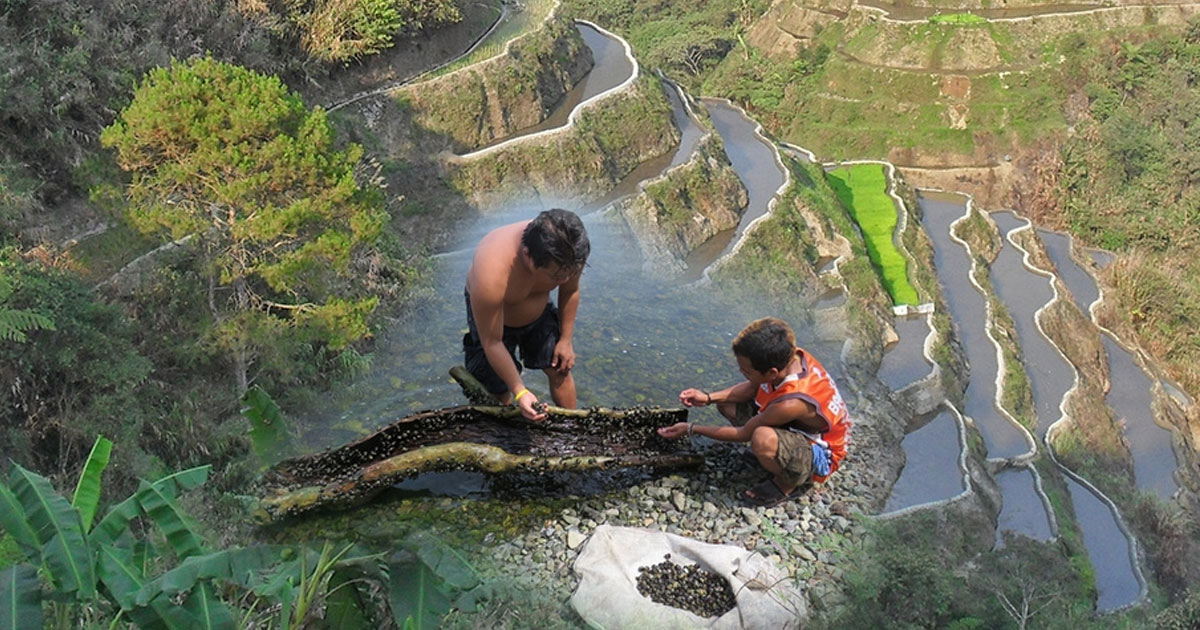
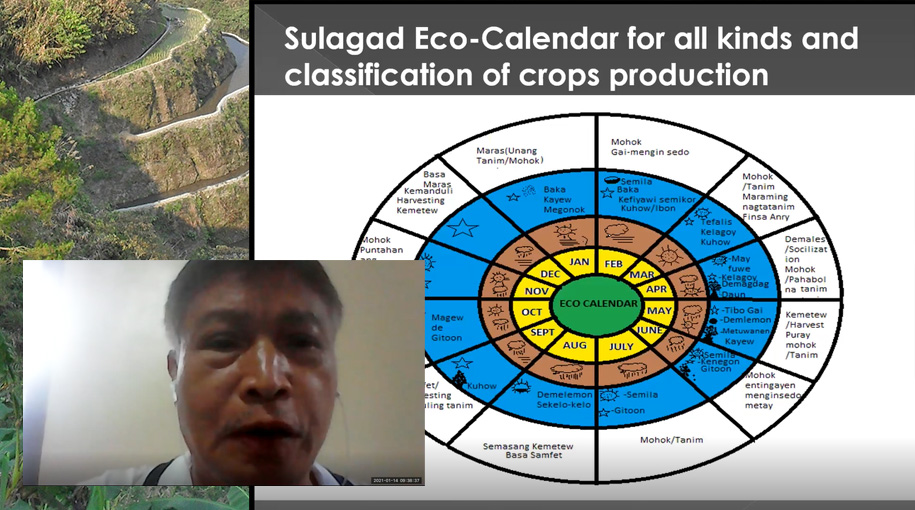
Santos Unsad, Titay Bleyen (Assistant to the Supreme Chieftain) of the Timuay Justice and Governance (TJG) organization shared the benefits of the sulagad system, a Teduray and Lambangian indigenous livelihood practice, that is both environment-friendly and sustainable. He pointed out that the said custom rejects the use of commercial fertilizers and pesticides which, then, preserves the fertility of the soil.
![protection of environment 2]()
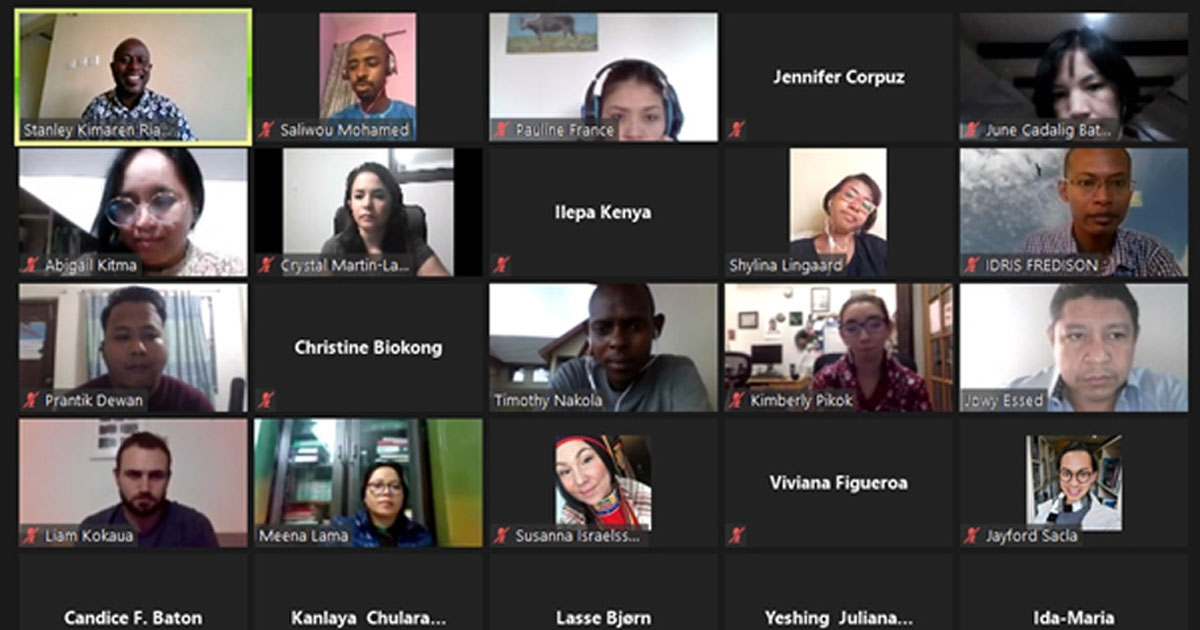
Through the Indigenous Navigator Initiative Philippines, the Dayalogo 2, entitled “Indigenous Peoples and the Protection and Sustainable Management of our Environment,” took place on 14 January 2021, 9AM to 12NN, via Zoom Meeting. One hundred sixty-six (166) participants from different indigenous peoples’ organizations and communities, and representatives from several national government agencies (NGAs) in the Philippines, namely the National Commission on Indigenous Peoples (NCIP), the Department of Finance (DOF) on behalf of the Bangsamoro Government Intergovernmental Relations Body (IGRB), and the Department of Interior and Local Government (DILG), joined the second event in the Dayalogo series of Tebtebba.
The representatives of indigenous communities discussed their different issues on the safeguarding of their ancestral domain and its surrounding environs. These concerns included the presence of oil palm plantations, the non-recognition of traditional farming practices, the conflicting political boundaries involving forest reserves, and the insufficient indigenous peoples’ representation in the management of critical environmental systems, including marine-protected areas, among others.
Several speakers also shared their indigenous knowledge systems and practices such as the sulagad system and pag-uuma (swidden farming). They explained the reasons for these indigenous practices as well as the need to sustain, revive, and strengthen their usage. Others called for support in developing their own three-dimensional (3D) maps. These maps have been useful in defending their territories and resolving boundary conflicts.
![protection of environment 3]()
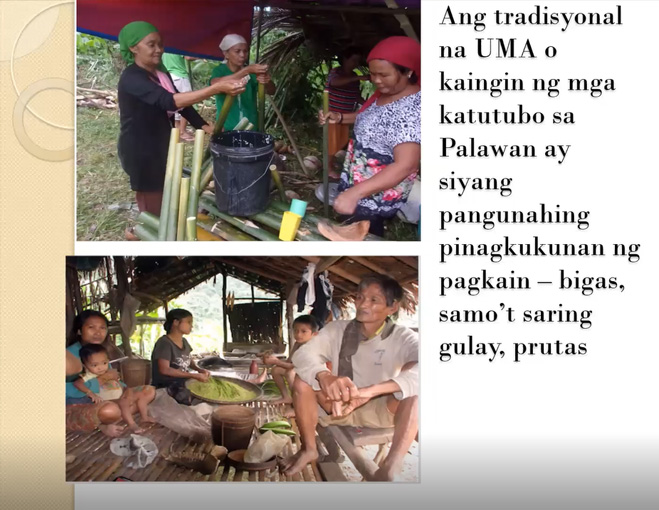
“Ang tradisyunal na uma o kaingin ng mga katutubo ng Palawan ay siyang pangunahing pinagkukunan ng pagkain—bigas at samu’t saring gulay at prutas. Ito ay isang sagradong bagay na hindi pwedeng walain dahil ito ay bahagi na ng aming kultura. Hindi sumisira sa ating kalikasan ang pag-uuma dahil may mga pamamaraan upang tukuyin ang mga lupa na pwedeng umahin at hindi. (The traditional swidden farm among the indigenous peoples of Palawan is their primary source of food—rice and various vegetables and fruits. This is a sacred custom that should not be abandoned because it is part of our culture. Swidden farming does not damage our environment because there are processes to indicate which lands can be used and not for this practice),” John Mart Salunday of Nagkakaisang mga Tribu ng Palawan stressed as he discussed the relevance of swidden farming, an agricultural system that is customarily used by indigenous peoples in Palawan and other parts of the Philippines.
“It is highly essential for indigenous peoples and the government to have these dialogues so that concerns are resolved and best practices are shared continuously,” Vicky Tauli-Corpuz, former UN Special Rapporteur on the Rights of Indigenous Peoples and Tebtebba Executive Director, stressed during her opening remarks for the said event. She also thanked the different government agencies, headed by the NCIP, for supporting and attending these discourses.
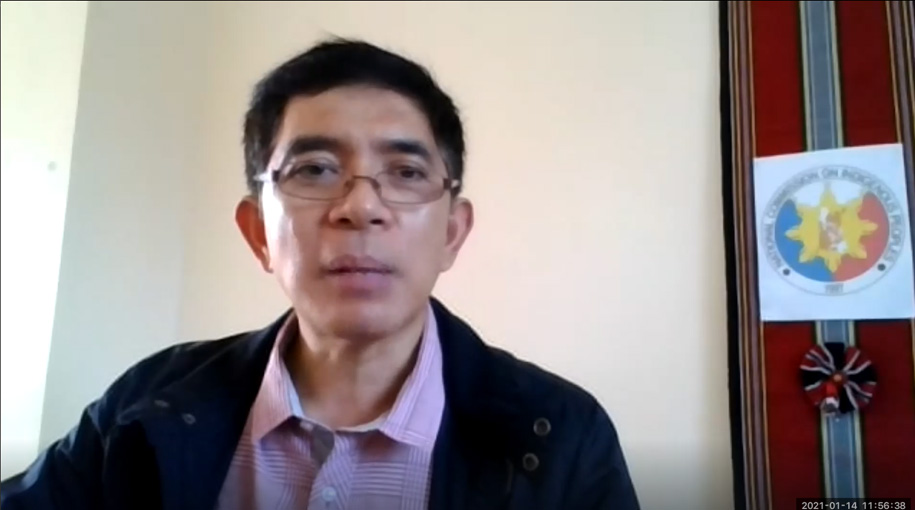
Similarly, NCIP Commissioner for the Cordillera Administrative Region and the Region 1 Gaspar Cayat shared that he supports Tauli-Corpuz’ call for sustained, collaborative dialogues between the different indigenous peoples’ organizations and the government. “The NCIP and other government agencies are one with you (in this continuous Dayalogo series),” Cayat said.
![protection of environment 4]()
The Dayalogo series is a Tebtebba initiative that aims to assist sustained, collaborative, and constructive dialogues between Philippine indigenous peoples and various government agencies towards the better implementation of the Indigenous Peoples’ Rights Act and the United Nations Declaration on the Rights of Indigenous Peoples as well as the attainment of the Sustainable Development Goals. It was made possible through the assistance of the European Union, SwedBio and the Pawanka Fund.