Paving the way for young indigenous leaders toward sustainable and self-determined development

Paving the way for young indigenous leaders toward sustainable and self-determined development

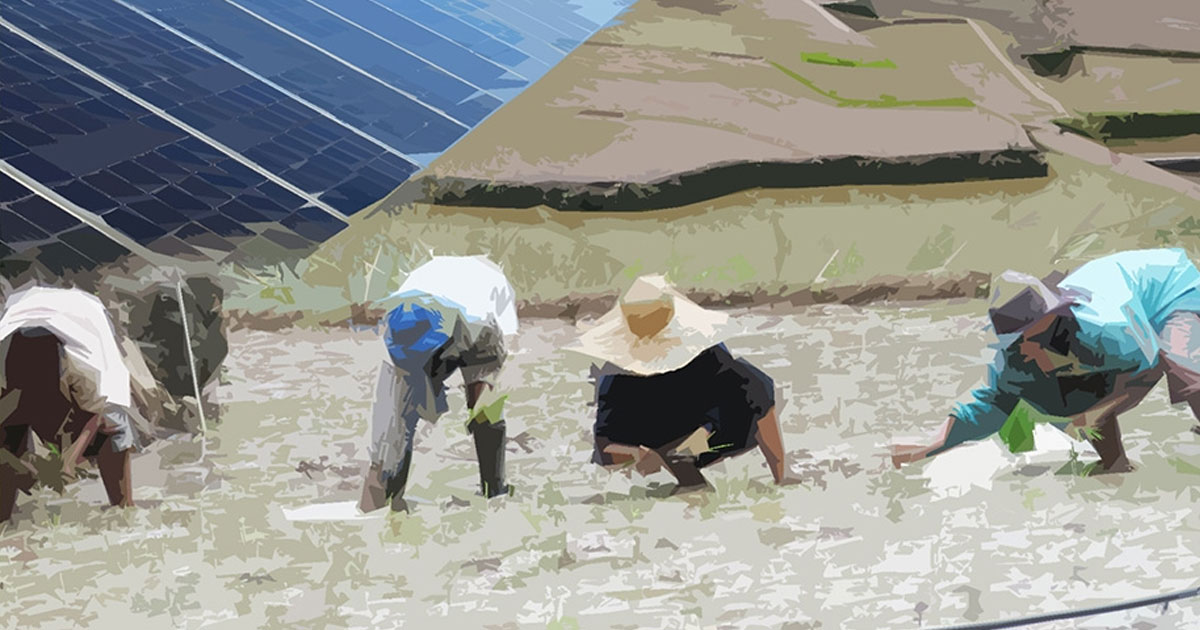
A total of 578 indigenous leaders including indigenous women and youth from Nicaragua, Nepal, and the Philippines completed the training program on Indigenous peoples’ sustainable and self-determined development. With most of its activities implemented during the first half of 2021, the training supports the continuing learning of second-generation indigenous leaders.

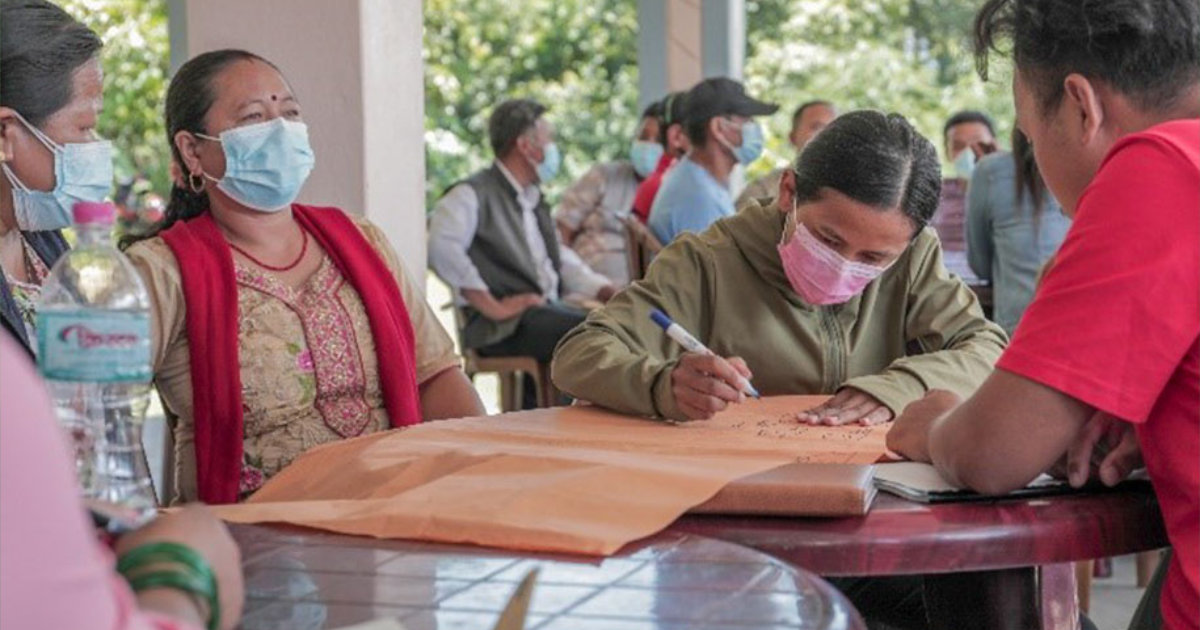
In Nepal, the Center for Indigenous Peoples’ Research and Development (CIPRED) implemented virtual and in-person training on policy advocacy last June and July 2021. Particularly, participants including indigenous youth and women from Nepal’s Lamjung district were oriented on the promotion and recognition of indigenous peoples’ customary practices, traditional knowledge and skills for the sustainable management of resources and community development.

In addition, the training provided an opportunity for the youth to learn various customary practices from their elders. The youths also appreciated the importance of social media in culture and values information dissemination and awareness-raising.

In the Philippines, Silingang Dapit sa Sidlakang Mindanao (SILDAP-SE) conducted orientation-trainings, community workshops, and focused group discussions in six communities of indigenous peoples in the provinces of Davao de Oro and Davao del Norte. It is notable that most of the participants realized during the orientations that there is a need for more work to be done in relation to their self-governance and to the challenges besetting their culture such as the vanishing of their language, among others.
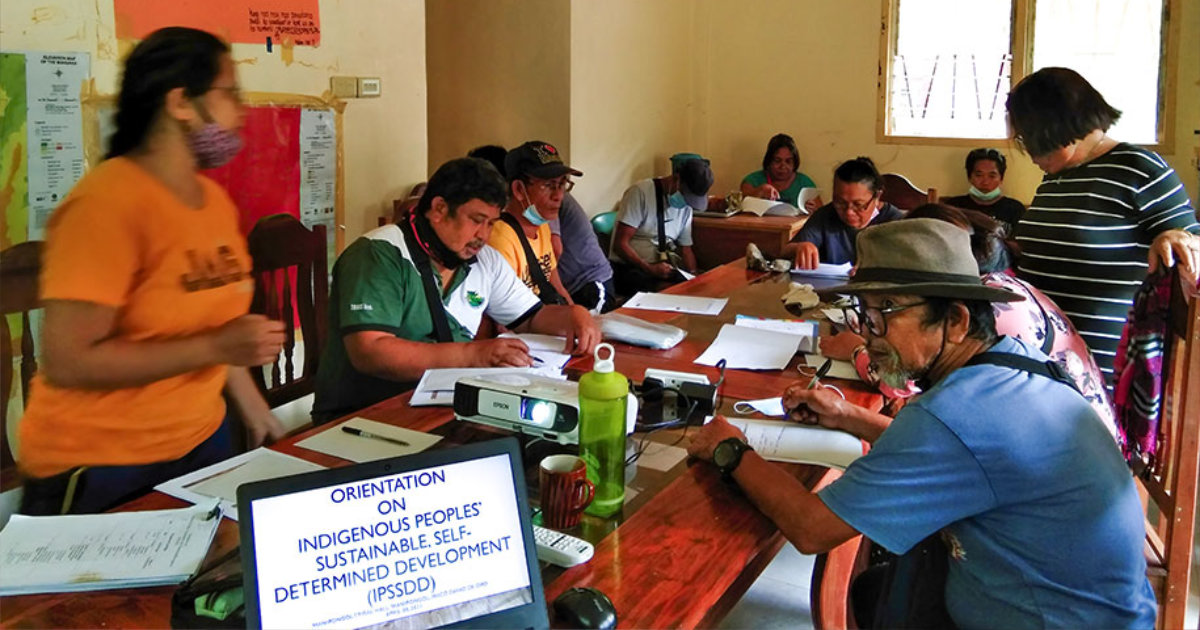
 

paving the way 2Photo: SILDAP-SE


Michael Guna, a Mansaka from Davao de Oro and an indigenous peoples’ mandatory representative to the local government, posited that the management of their ancestral domain and the utilization of its resources must be governed by indigenous peoples themselves and not by migrants. He expressed a desire to initiate the formulation of a local ordinance that would ensure the sustainability of their indigenous knowledge and practices. 

In Nicaragua, the Centro para la Autonomía y Desarollo de los Pueblos Indigénas (CADPI) held community workshops for the Miskitus and Mayangnas of the North Caribbean Coast Autonomous Region. Discussions revolved around global issues affecting them including the impacts of climate change in their communities.
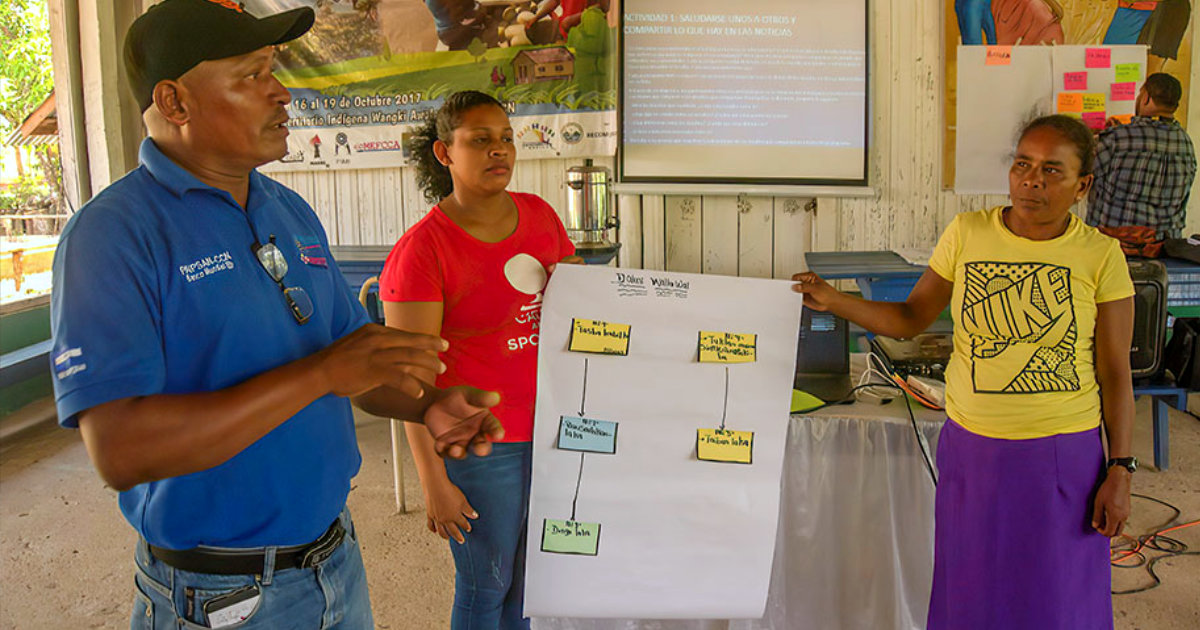
 

paving the way 3Photo credit: CADPI


“Mainly, we identify the different challenges facing each of the communities and, among them, find the common challenges, the different challenges per community,” expressed Larry Salomón, a community facilitator, during the training.

He stressed that one of the issues faced by the indigenous peoples in the Sauna As Territory is the conflict with settlers from Honduras who are illegally possessing community properties. In addition to that is the destruction and deterioration of their environment.

Echoing the sentiments of other participants from the three countries in terms of the trainings conducted in their communities, Gustavo Sebastian Lino, President of GTI Sauna As, said that the said training is essential because they get to see the reality that indigenous peoples confront not only within their community but also in other parts of the world. He stressed that the training opened spaces of knowledge that indigenous peoples have around the world which can, then, help the participants create better strategies and design change paradigms to better govern their communal property. “So that we can have security, protection, and defense,” he explained.

CIPRED, CADPI and SILDAP which are part of Elatia, a global partnership of indigenous peoples on climate change, forests, and sustainable development, also localized the IPSSDD Training Course guide being used by the Elatia Indigenous Peoples Training Institute, further allowing learners to appreciate its contents and relate it to their corresponding, specific situations.

Affected by the COVID-19 restrictions, the activities in the said countries were implemented with the support of Tamalpais Trust Fund through Tebtebba’s continuous project, Realizing indigenous peoples’ sustainable, self-determined development (IPSSDD) through training of next generation indigenous leaders, including women and youth.

(From reports of CIPRED, CADPI and SILDAP-SE and interview excerpts from the video, Chuklla, produced by CADPI.)
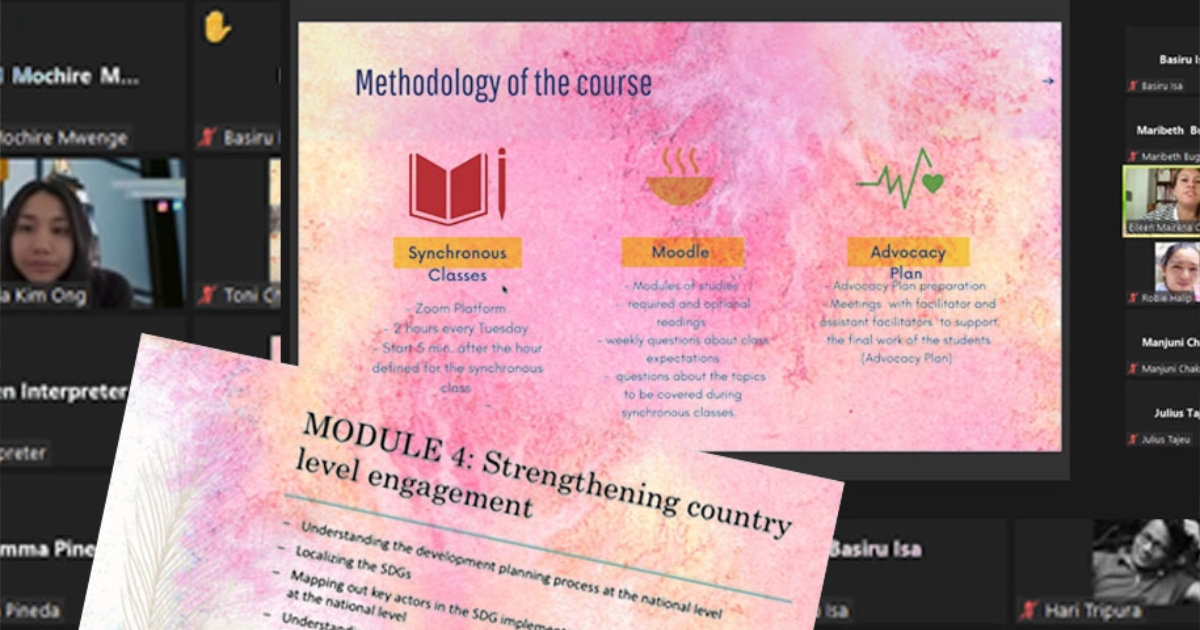
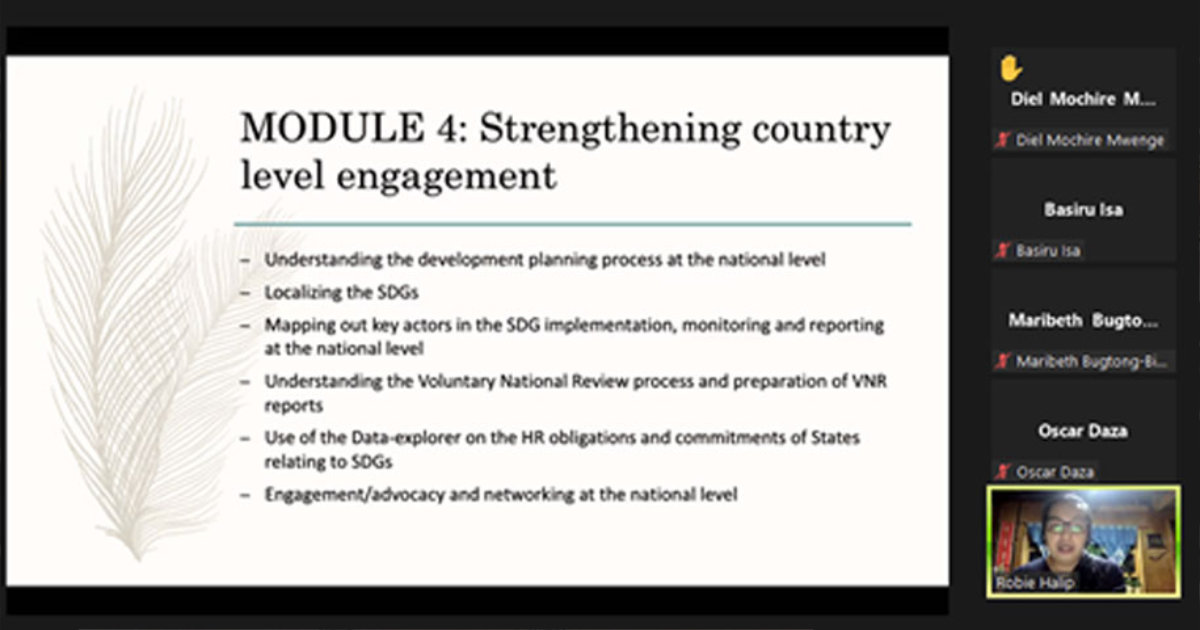
Young indigenous leaders participate in the virtual policy advocacy training on the SDGs

Young indigenous leaders participate in the virtual policy advocacy training on the SDGs

“The struggle is not about to end. These struggles are intergenerational.”

Stanley Kimaren ole Riamit, Executive Director of Indigenous Livelihoods Enhancement Partners (ILEPA) in Narok, Kenya, elaborated on the significance of the training of second-generation indigenous leaders during the recent opening session of the third segment of the virtual training on policy advocacy on 31 August 2021.

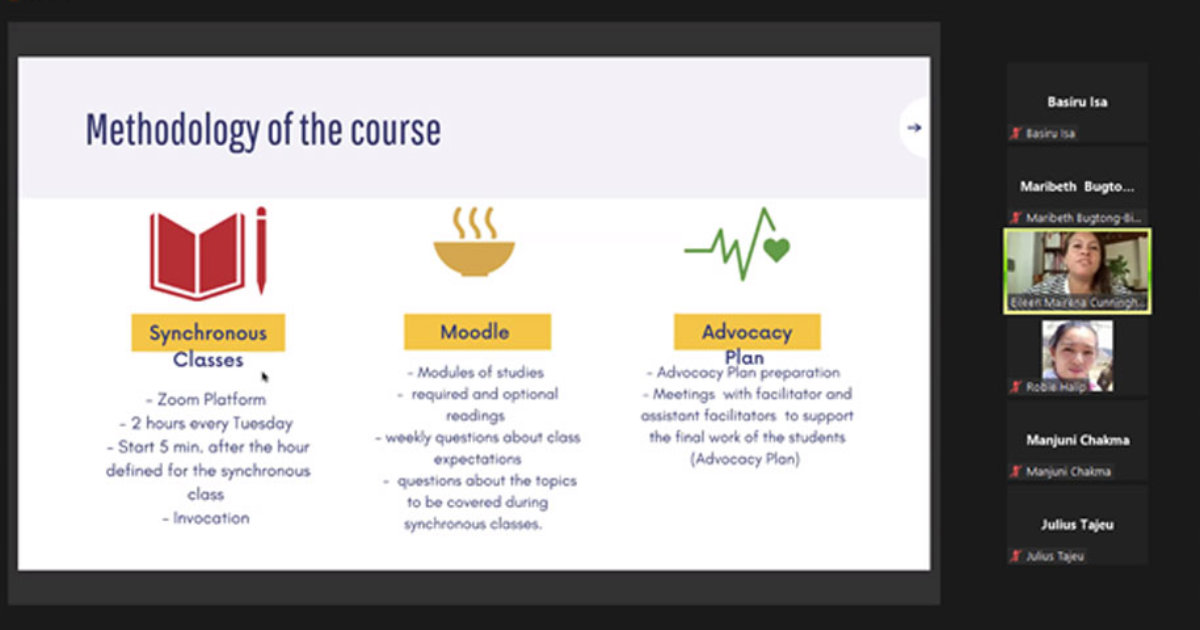
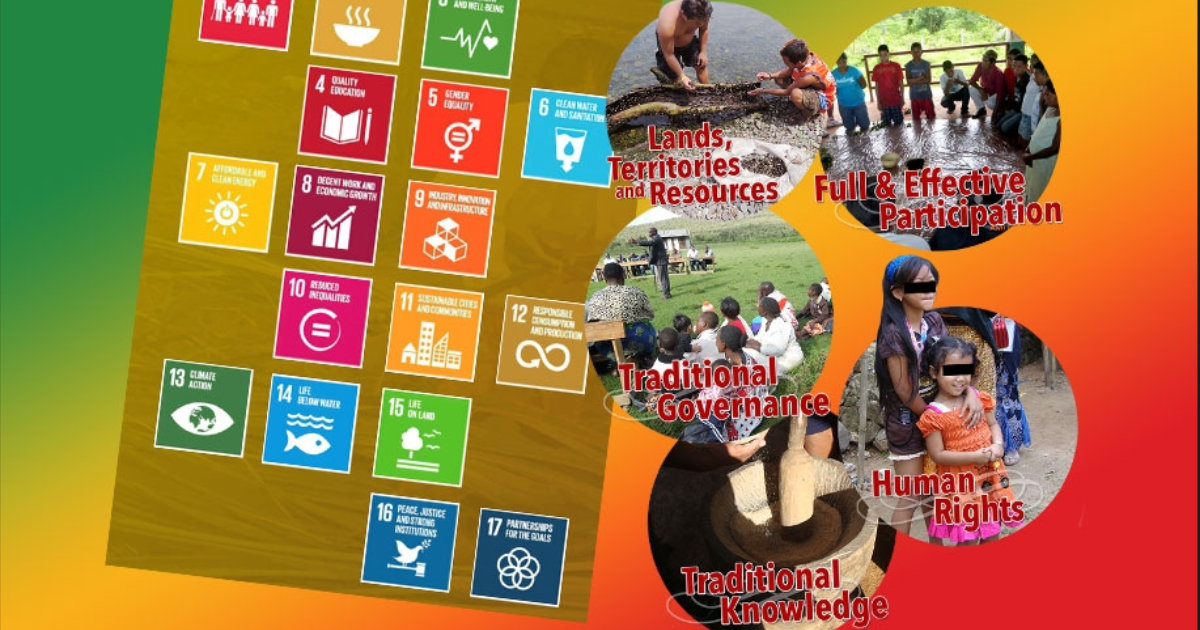
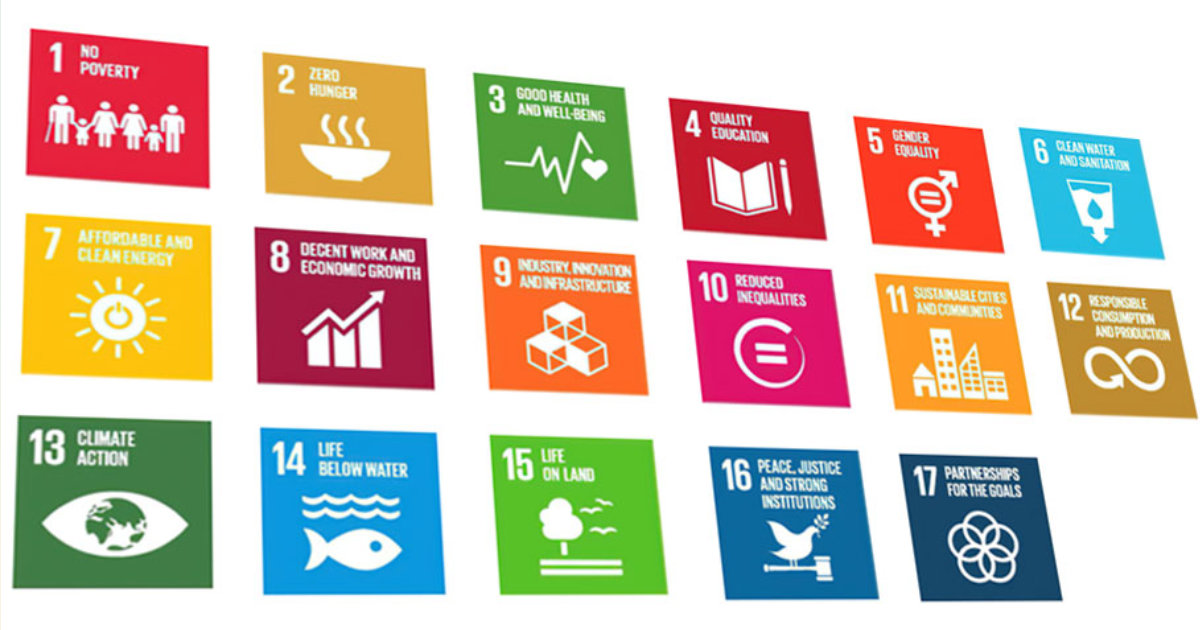
Endorsed by the different partners and members of Elatia, Nia Tero and the Indigenous Peoples Major Group for Sustainable Development (IPMG-SDG), about 40 young indigenous leaders are participating in the virtual training on policy advocacy that focuses on the Sustainable Development Goals (SDGs). The training particularly aims to provide basic information about the 2030 Agenda for Sustainable Development, its background, and its links to indigenous peoples’ rights and aspirations, as well as the opportunities and challenges it provides.


young indigenous leaders 2


The training also hopes to offer practical guidance on how indigenous peoples can engage in sustainable development processes in order to assert their right to self-determined development and contribute to the achievement of sustainable development for all. In addition, the training will provide participants with an overview of the Indigenous Navigator (IN) as a monitoring tool for the implementation of the indigenous peoples’ rights in the SDGs. The participants will also be taught necessary skills in policy advocacy work on the SDGs.


young indigenous leaders 3


The initiative’s pool of trainers includes indigenous leaders and experts who are actively engaging in various processes on the SDGS with the IPMG-SDG, namely Joan Carling, Eileen Mairena Cunningham, Robie Halip and some guest trainers.

Culminating three months after, on November, the training is jointly implemented by the ILEPA and the Elatia Indigenous Peoples Training Institute with support from Tebtebba, Nia Tero, and Bread for the World.


young indigenous leaders 4

Data: Leaving No Indigenous Peoples Behind in the Achievement of the SDGs

Data: Leaving No Indigenous Peoples Behind in the Achievement of the SDGs

Summary

The population of indigenous peoples in the Philippines has not been reliably established until now. With the inclusion of an ethnicity variable in the 15th Census on Population and Housing in September 2020, we hope to finally see a close estimate of the number of indigenous peoples in the country and where they are with the inclusion of an ethnicity variable. Indigenous peoples have not been adequately and properly reflected in any census because of the lack of the proper ethnicity variable in the census tool, the questionable conduct of the census, and the lack of study on how best to make the census, or any national survey for that matter. In other words, indigenous peoples have been left behind.

Under the mantra of “Nothing about us, without us”, indigenous peoples the whole world over, together with partners, came out with the Indigenous Navigator Initiative to develop a tool to monitor the gaps in the enjoyment of indigenous peoples of both their individual and collective rights and make duty-bearers accountable, and also to help them devise implementation strategies for the United Nations Declaration on the Rights of Indigenous Peoples (UNDRIP). The UNDRIP does not have a monitoring mechanism and thus violations of indigenous peoples rights are often hidden under other categories and are not addressed properly, and often excluded from development efforts.

The Indigenous Navigator framework is based on the UNDRIP, with the Indigenous Peoples Rights Act (IPRA) added for the Philippines, and all other human rights instruments ratified by the country. It also integrates a number of the global Sustainable Development Goals (SDG) indicators and by collecting data related to the global SDG indicators, indigenous peoples can contribute data for local, national, and global SDG monitoring, and generate comparable data to monitor if indigenous peoples are left behind.

In 2015, the Philippines joined world leaders in adopting the 2030 Agenda for Sustainable Development comprising of 17 Sustainable Development Goals and 169 related targets intended to be achieved by 2030.

Among other things the country has to do are to affirm the 17 SDGs that seek to realize the human rights of all, and pledge to ‘leave no one behind’ and to reach those furthest behind first. These will reflect the country’s obligation and ambitious vision to recognize the fundamental human rights principles of non-discrimination and equality in the development process.


leaving no ips behind 2


The final results of the SDGs will depend on how the Agenda is implemented at national and local levels. If the implementation contributes to the realization of the indigenous peoples’ rights, as enshrined in the UNDRIP and for the Philippines, the Indigenous Peoples Rights Act (IPRA), it will help overcome the current discrimination against and the human rights challenges faced by indigenous peoples. In contrast, if efforts to achieve the Agenda ignore indigenous peoples’ aspirations and rights, it may again contribute to or even entrench the marginalisation of and discrimination against indigenous peoples and undermine their well-being, thus again, leaving them behind.

If the 2030 Agenda should address the challenges faced by indigenous peoples, there are three key aspects that must be considered:

  • Indigenous peoples must be protected from adverse impacts of mainstream development, which may undermine their rights and well-being;
  • Indigenous peoples have the right to fully participate and benefit from general development efforts;
  • Indigenous peoples’ collective right to self-determined development must be supported.


Download full document

Erumanen Ne Menuvu Present Working Orthography of Their Indigenous Language

Erumanen Ne Menuvu Present Working Orthography of Their Indigenous Language

“Hindi lahat ng mga tao at mga propesyunal ay nag-commit ng suporta. Mabibilang mo lang sa daliri ng kamay ang talagang tumutulong at tumututok (Not all people and institutions are committed. Only a precious few professionals really engaged and invested).”

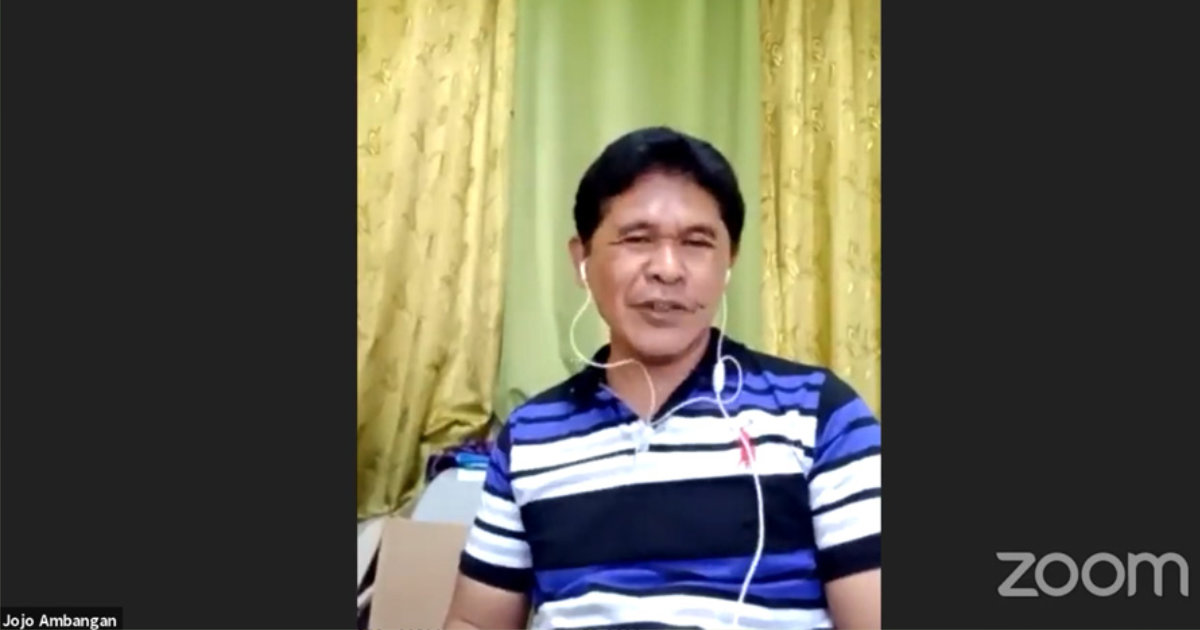
Jojo Ambangan, Secretary General of Erumanen ne Menuvu Kamal, shared the challenges they encountered in writing their orthography during the Virtual Roundtable Discussion on 17 August 2021. A total of 60 participants joined the meeting including representatives from the Department of Education (DepEd), the National Commission for Indigenous Peoples (NCIP), the Summer Institute of Linguistics, civil society organizations, and indigenous peoples themselves.


erumanen ne menuvu 2Jojo Ambangan, Secretary General of Erumanen ne Menuvu Kamal


Victoria Tauli-Corpuz, former UN Special Rapporteur on the Rights of Indigenous Peoples and Tebtebba executive director, commended the Erumanen ne Menuvu for the initiative. “This is a historic occasion as it is the first time that we are holding a virtual meeting on the work that indigenous peoples are doing to preserve their own languages. We wouldn’t have gone into this program if the Erumanen ne Menuvu themselves have not expressed the desire for this orthography to be done,” she said.


erumanen ne menuvu 3

Victoria Tauli-Corpuz, former UN Special Rapporteur on the Rights of Indigenous Peoples and Tebtebba executive director


According to Bernice See, project coordinator of the Indigenous Navigator Initiative in the Philippines through Tebtebba, the working orthography is part of the effort to revitalize Indigenous Peoples’ languages, contributing to the attainment of the objectives of the International Decade of the Indigenous Languages.

 “Through this, the community reported their language as safe as it is spoken by all generations and intergenerational transmission is uninterrupted,” she explained, congratulating the Erumanen ne Menuvu people for the orthography that aims to record, sustain, and promote the said indigenous language, not only for and among the present-day Erumanen ne Menuvu indigenous peoples but also for and among their future generations.

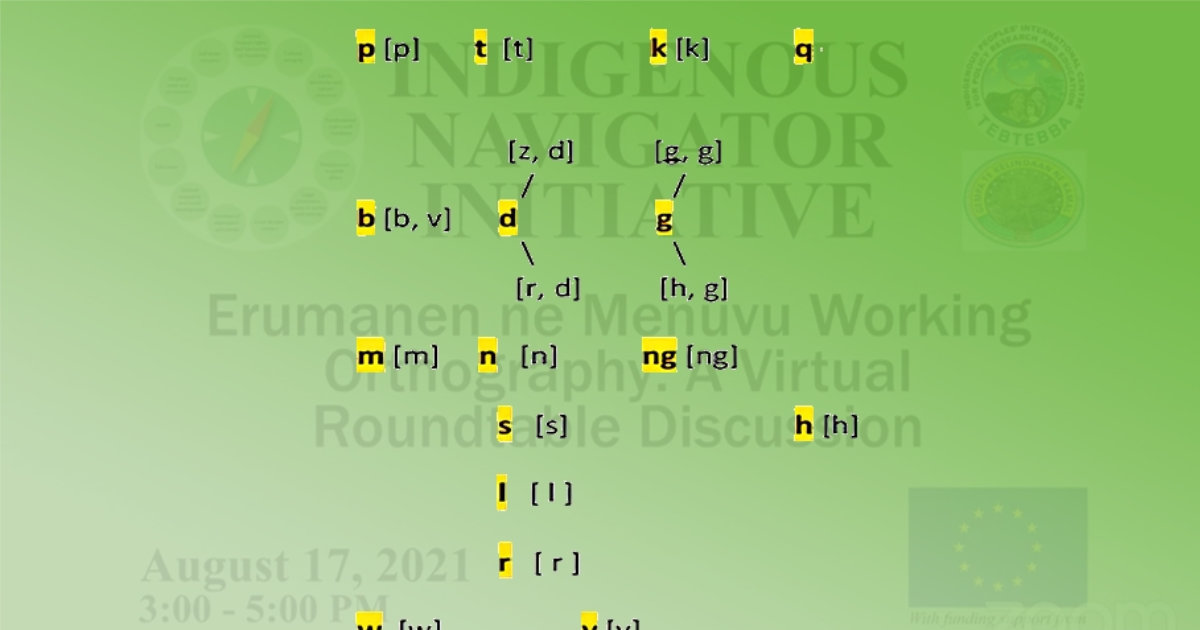
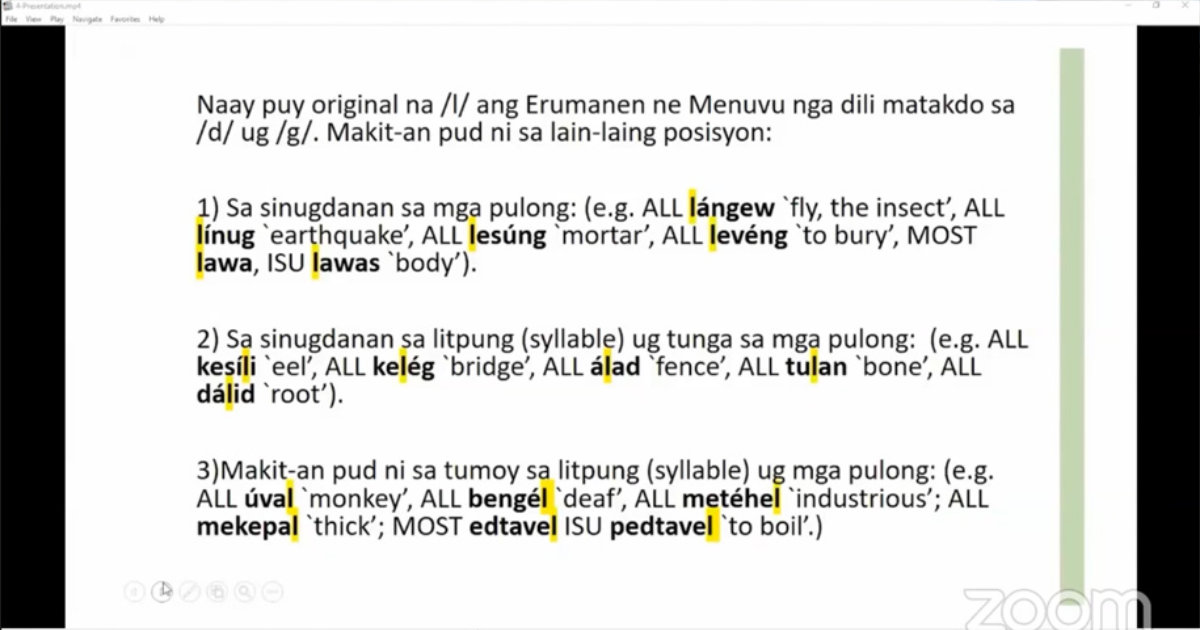
Dr. Billy Pobre, one of the key people responsible for the collation of the Erumanen ne Menuvu language orthography, did an in-depth presentation of the different elements including inflections, accents, glottal stops, and circumflexes of the indigenous language. "We started the orthography in 2012 and finished the first draft in 2015. It was through self-help and community contributions that we persisted. Through the support of the Indigenous Navigator Initiative in the Philippines, we were able to continue," he tearfully shared.


erumanen ne menuvu 4

Dr. Billy Pobre


“We do it with the community, not only for the community,” stressed Dr. Ricardo Nolasco of the University of the Philippines-Mindanao who is a key partner in the initiative.


erumanen ne menuvu 5

 erumanen ne menuvu 6


Jennifer Sibug-Las, NCIP Central Mindanao Commissioner, thanked the different partner advocates including Tebtebba who, according to her, has been consistently lobbying NCIP to discuss different burning issues of indigenous peoples. “Hindi kasi kaya ng NCIP na mag-isa lang (NCIP is not able to do this, alone),” she mentioned.

The said orthography is a project that was made possible through the efforts of the Erumanen ne Menuvu indigenous peoples with funding support from the European Union through the Indigenous Navigator Initiative and Tebtebba.