Indigenous Peoples in Decision-Making Processes, Vital to Achieving the SDGs

Indigenous Peoples in Decision-Making Processes, Vital to Achieving the SDGs

“Indigenous institutions and values [are being] ignored and devalued.”

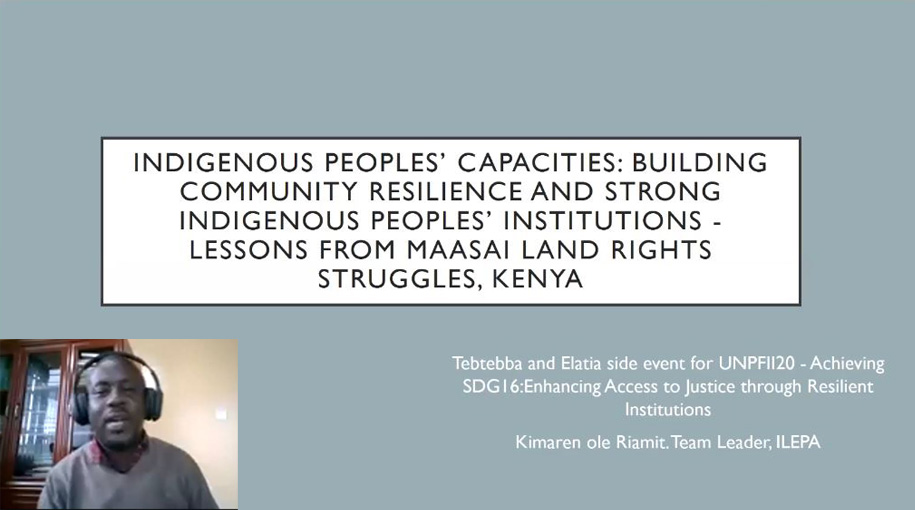
Kimaren Ole Riamit of the Indigenous Livelihood Partners (ILEPA) in Kenya, asserted the elements crucial for attaining Sustainable Development Goal (SDG) 16 in a side event for the 20th session of the United Nations Permanent Forum on Indigenous Issues (UNPFII) on 21 April 2021. The elements should include “mutually respectful sustainable partnership, support for indigenous engagement, security of livelihoods, and protection of environmental defenders,” he said.
 

decision making sdgs 2


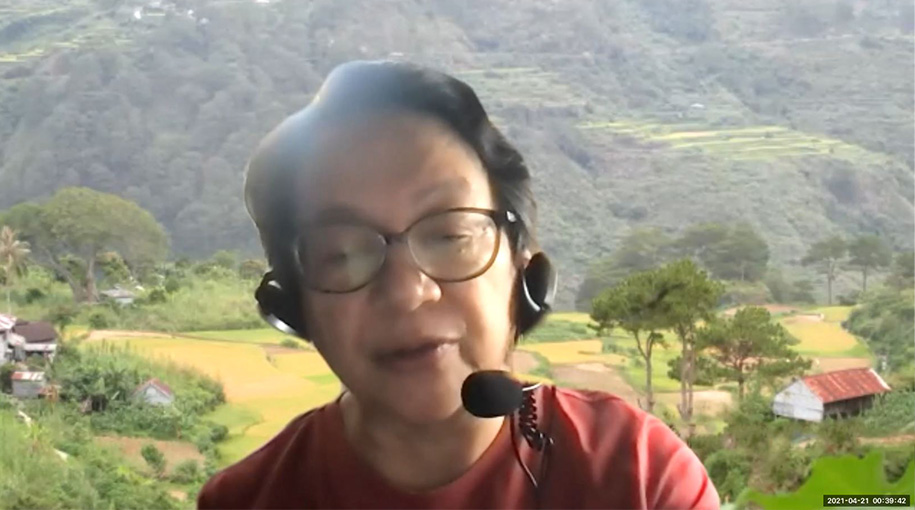
“We see the issues faced by indigenous peoples caused by their non-inclusion in the different decision-making bodies. There is a need to prioritize their recognition to successfully achieve Sustainable Development Goal 16 and all the different goals,” pointed out Victoria Tauli-Corpuz, the executive director of Tebtebba and former UN Special Rapporteur on the Rights of Indigenous Peoples (UNSRRIP) as she consolidated the reports made by the different panel speakers.
 

decision making sdgs 3

Victoria Tauli-Corpuz, the executive director of Tebtebba and former UN Special Rapporteur on the Rights of Indigenous Peoples (UNSRRIP)


“The stories that we heard today are only part of the bigger picture. The recognition of indigenous systems and the capacity of indigenous peoples to adapt to the different changes can hugely help in the achievement of the SDGs,” she added.

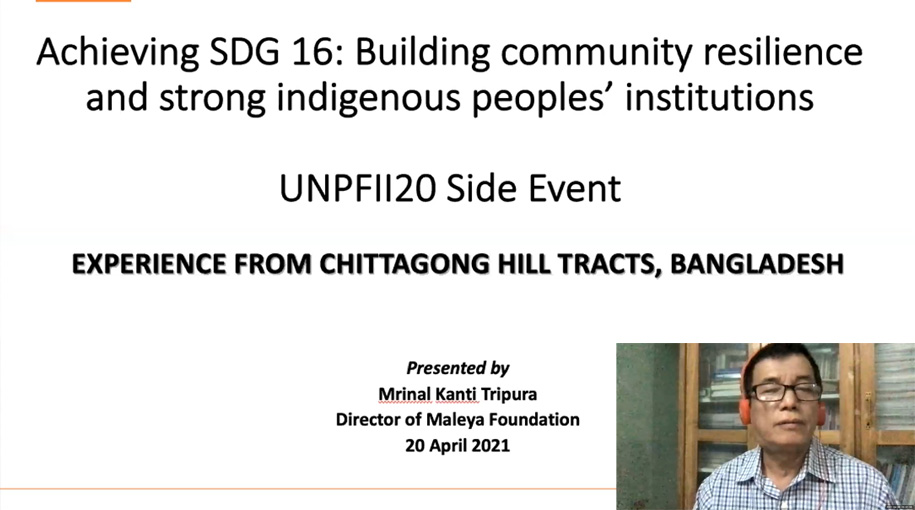
Likewise, Mrinal Kanti Tripura shared the contributions made by Maleya Foundation in its mission to empower the indigenous peoples of the Chittagong Hill Tracts in Bangladesh, mentioning that the Foundation started working toward the community’s self-determination, development, and conflict transformation. He, then, stressed on the need to achieve positive peace and look for ways to eradicate invisible violence as well as visible ones.
 

decision making sdgs 4


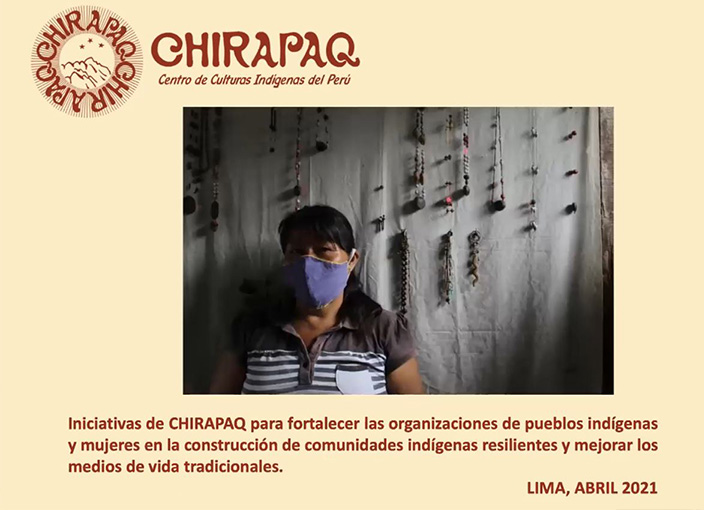
Nadia Soldevilla Pacheco, project manager of the Center for Indigenous Cultures of Peru (CHIRAPAQ), narrated the plight of Andean and Amazonian communities during the ongoing COVID-19 pandemic, mentioning that “the lack of access to safe water, sanitation, basic infrastructure, and equipment and free and adequate health services has made them even more vulnerable than before the advent of the disease.” She added that “in the absence of a specific response from the state, the indigenous peoples themselves have promoted their own processes that guarantee their survival.  [They] combine traditional practices with Western medicine, with an emphasis on prevention, care and collective management of disease, and healthy eating.”
 

decision making sdgs 5


In the same manner, Bernice See of Tebtebba Foundation recounted their experiences with regard to undertaking the Indigenous Navigator initiative with indigenous peoples in the Philippines. She related the challenges they face with regard to displacement caused by political conflict, tenurial issues over their lands and territories, and insufficient access to social services, among others. She, however, detailed the manifold indigenous practices that continue to aid indigenous communities in the Philippines as they strive to “navigate towards the achievement of just, peaceful and inclusive societies.”
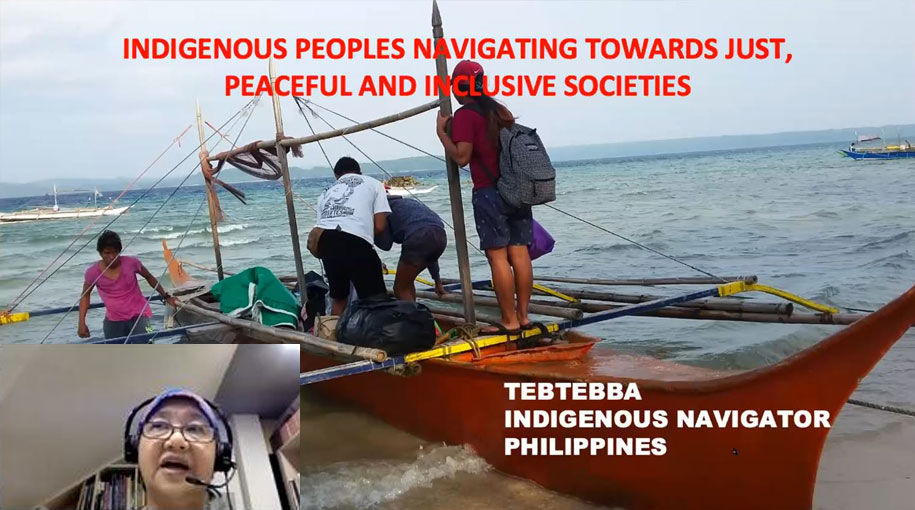
 

decision making sdgs 6


Meanwhile, “mentoring younger generations is helpful in sustaining indigenous peoples’ work on policy advocacy and in sustaining their communities” asserted Maribeth Bugtong-Biano, director of the Elatia Training Institute. She added that “trained, young indigenous peoples are now engaging in the United Nations Framework Convention on Climate Change (UNFCCC), the Convention on Biological Diversity (CBD), and the Green Climate Fund. And they help further strengthen their indigenous institutions.”
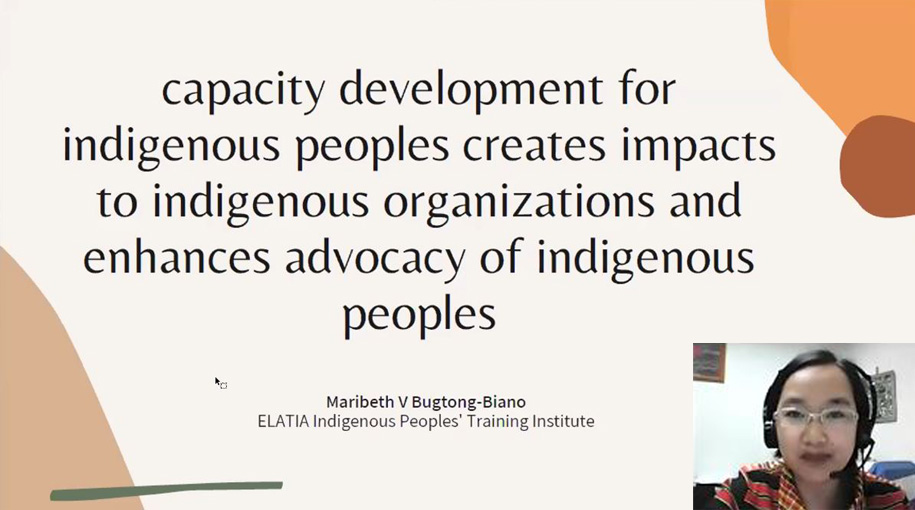
 

decision making sdgs 7


The side event entitled “Achieving SDG16: Building community resilience and strong indigenous peoples’ institutions” was attended by a total 47 participants and indigenous panel speakers from the different regions of the world.  The UNPFII is a high-level advisory body to the Economic and Social Council established in 2000 with the primary mandate to deal with indigenous issues related to economic and social development, culture, the environment, education, health, and human rights. It holds an annual session at its headquarters in New York, USA but had to hold most of its events virtually in 2020 and this year due to the pandemic.
ELATIA enhances indigenous communities’ capacity for sustainable and self-determined development

ELATIA enhances indigenous communities’ capacity for sustainable and self-determined development

Nine partners of ELATIA, an indigenous peoples’ global partnership on climate change, forests and sustainable development, have been implementing capacity-building activities among local indigenous communities in their countries since October 2020.

The main theme of the capacity building activities revolved around approaches to indigenous peoples’ sustainable and self-determined development or IPSSDD.  IPSSDD reiterates the centrality of indigenous peoples’ rights in development while ensuring the protection, sustainable use, and management of the environment. A holistic approach, IPSSDD also ensures the support for sustainable, traditional livelihoods and the respect for cultural diversity. The vital roles of indigenous women and youth and the intergenerational transfer of traditional knowledge are important components of IPSSDD.

Towards sustaining initial efforts to develop and capacitate next generation leaders, the partners have been developing training materials, localizing or contextualizing and translating existing training modules into local languages and producing audio and visual materials. Furthermore, they have been conducting learning sessions and discussions, community workshops, and focused group discussions with substantial participation of indigenous women and the youth.

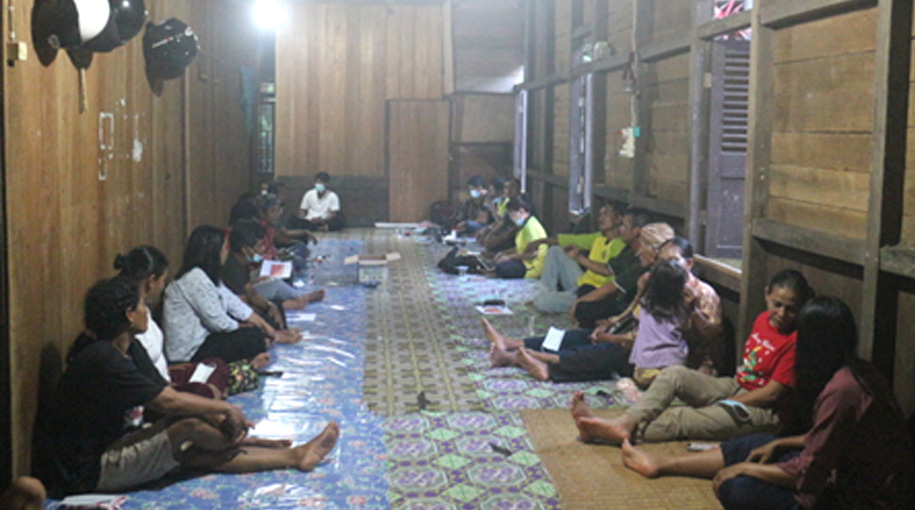
Institut Dayakologi based in Pontianak, West Kalimantan, Indonesia, conducted field assessments, focused group discussions, and workshops to contextualize the IPSSDD training modules prior to the implementation of training activities in different communities.


elatia enhances indigenous communities 2

The Field Assessment at Kampong Batu Menang. Mr. Ajin Vinsentius briefs the participants during the field assessment at Kampong Batu Menang, Ketapang District in West Kalimantan, Indonesia. (Photo Credit: ID’s Documentation Team)


elatia enhances indigenous communities 3

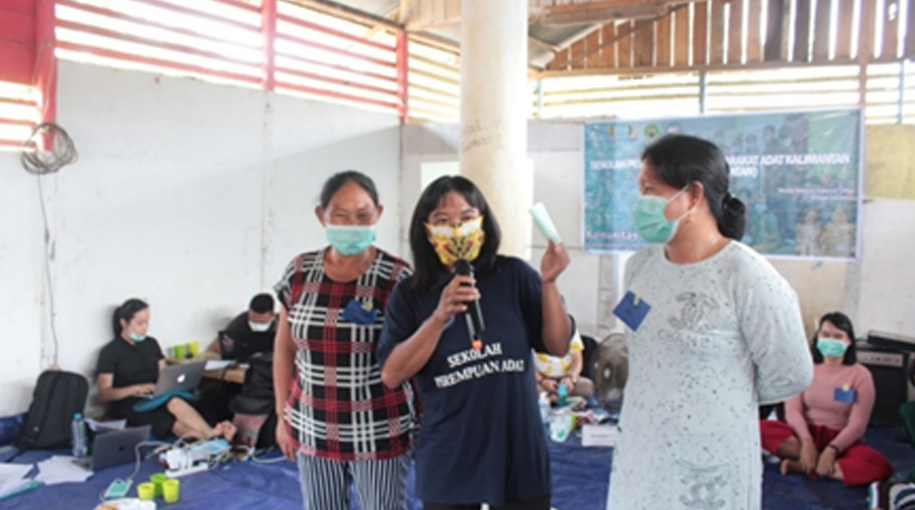
An indigenous youth, who participated in the IPSSDD training at Kampong Segumon in KTJ of Sanggau District in West Kalimantan, Indonesia last December 12, 2020, shares her thought about indigenous knowledge to the other participants. (Photo Credit: ID’s Documentation Team)


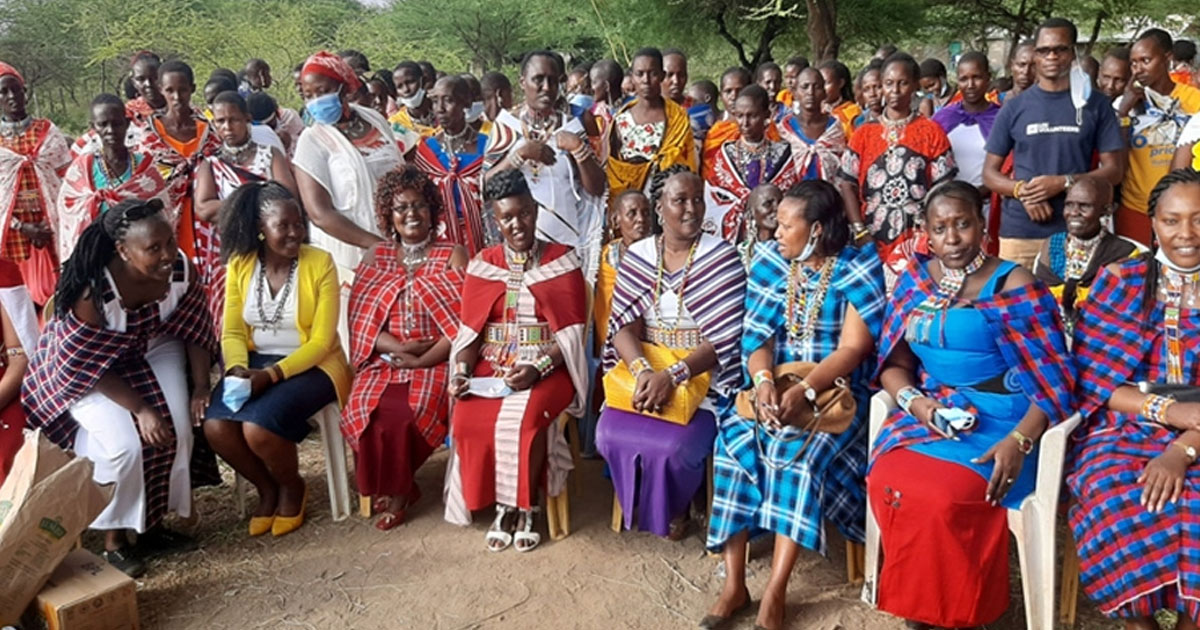
As part of practicing the lessons from the training, the Mainyoito Pastoralists Integrated Development Organization (MPIDO) based in Nairobi, Kenya, facilitated a dialogue between the trained indigenous youth and women with the Kajiado County Ministry of Youth and Gender last November 2020.


elatia enhances indigenous communities 4

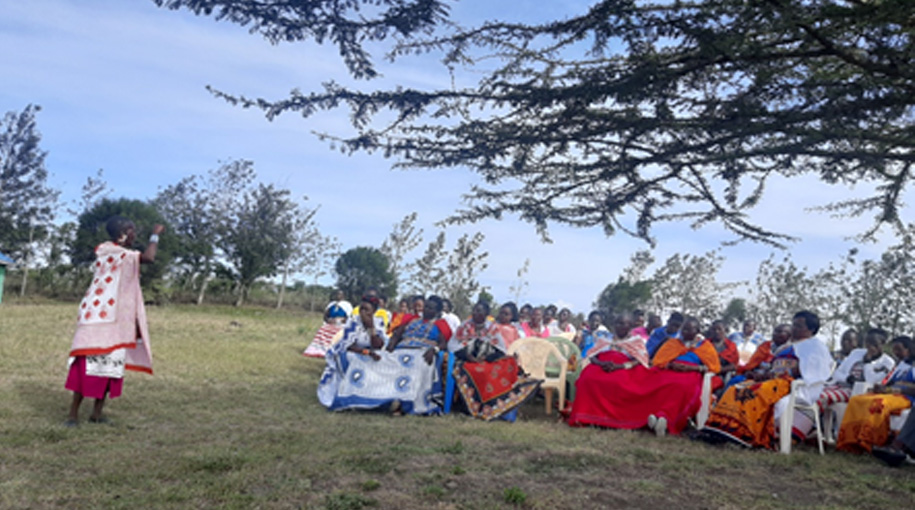
Indigenous women and youth talk about climate change mitigation and adaptation at Olooruka Resource Center Training last December 2020. (Photo: MPIDO)


Lands issues being confronted by the Maasai communities around their traditionally-occupied land, now called Ngorongoro Conservation Area, are central to the training conducted by Pastoralists Indigenous Non-Governmental Organization's Forum (PINGO's Forum) based in Arusha, Tanzania. The participants were oriented about legal procedures for land upgrade and land acquisition.

Indigenous Livelihoods Enhancement Partners (ILEPA), based in Narok, Kenya, targeted indigenous youth in their capacity building on IPSSDD concepts and approaches. ILEPA also video-documented lessons and experiences of communities as well as gaps in realizing a self-determined development of indigenous peoples.


elatia enhances indigenous communities 5

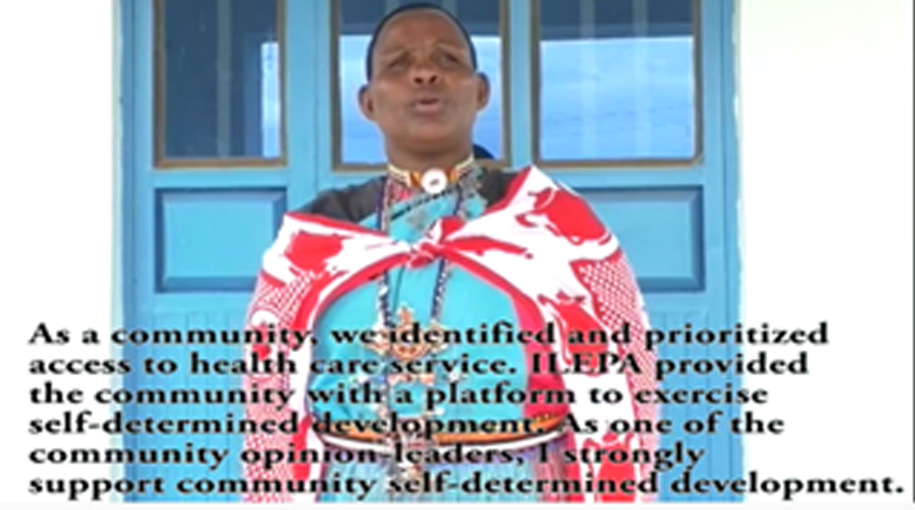
Noolmejooli Nkoitiko of Maji-moto/Naroosura ward in Narok, Kenya shares her experiences in actively participating in data collection and community needs identification and prioritization in Maji-moto facilitated by ILEPA in one of its implemented projects. (Screengrab from ILEPA’s Youtube account)


elatia enhances indigenous communities 6

Indigenous youth participants watch the video documentation during the training last December 2020 at Zebu Lodge in Narok, Kenya. (Photo: ILEPA)


The COVID-19 pandemic posed many challenges to the implementation of capacity building activities. It has limited the mobility and direct interactions of participants, trainers, and facilitators. To ensure health safety of everyone, the organizations enforced basic health safety protocols.


elatia enhances indigenous communities 7

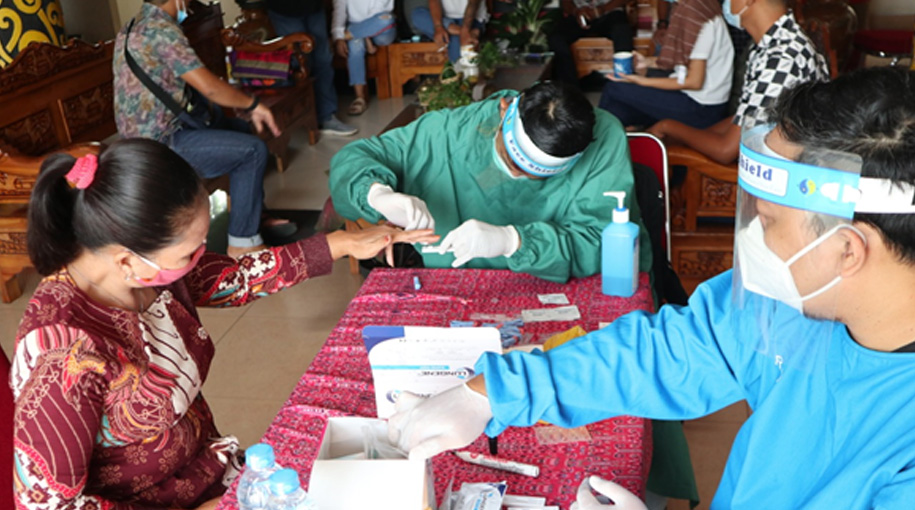
One of the participants takes a test as a required health protocol before attending the training at Jurung-ID Pontianak in West Kalimantan, Indonesia. (Photo credit: ID’s Documentation Team)


Being supported by the Tamalpais Trust, the project is part of achieving the overall goal of ELATIA to realize indigenous peoples’ sustainable, self-determined development through the training of next-generation indigenous leaders including women and youth.

The other partners involved in the project include Lelewal in Yaoundé, Cameroon, Union pour l’Emancipation de la Femme Autochtone” (UEFA) in Bukavu, Democratic Republic of Congo, Center for Autonomy and Development of Indigenous Peoples (CADPI) in RACCN, Nicaragua, Center for Indigenous Peoples' Research and Development (CIPRED) in Kathmandu, Nepal, and Silingang Dapit-Southeastern Mindanao, Inc. (SILDAP) in Tagum City, Philippines.

IPAF Works Towards the Continuous Capacity Building of Indigenous Peoples Through Relevant Livelihood Training and Knowledge-Sharing Activities
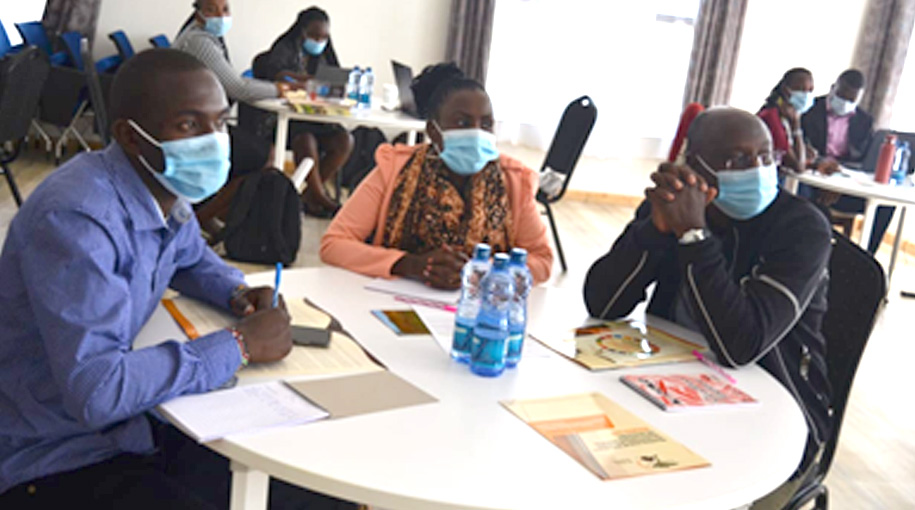
Banner picture: Credits to Project 2092 AYIPN, Philippines and Project 2559 Edenhope Foundation, Vanuatu

IPAF Works Towards the Continuous Capacity Building of Indigenous Peoples Through Relevant Livelihood Training and Knowledge-Sharing Activities

The current cycle of the Indigenous Peoples Assistance Facility (IPAF) in Asia and the Pacific has been working towards the empowerment of indigenous peoples in designing and implementing their self-driven development initiatives, enhancing the capacity of Tebtebba as a regional hub, and improving indigenous peoples’ access to relevant knowledge. As of date, the IPAF-funded projects have varying levels of achievements and impacts as shared by the implementing organizations.

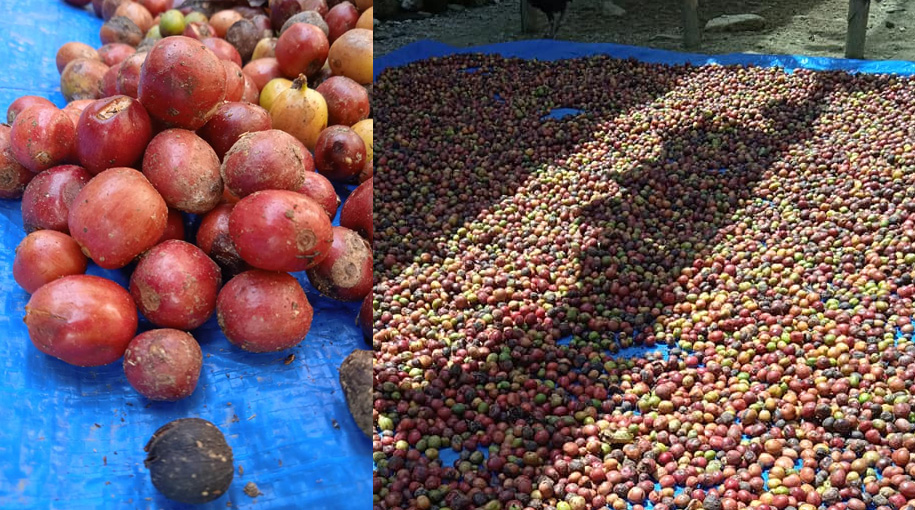
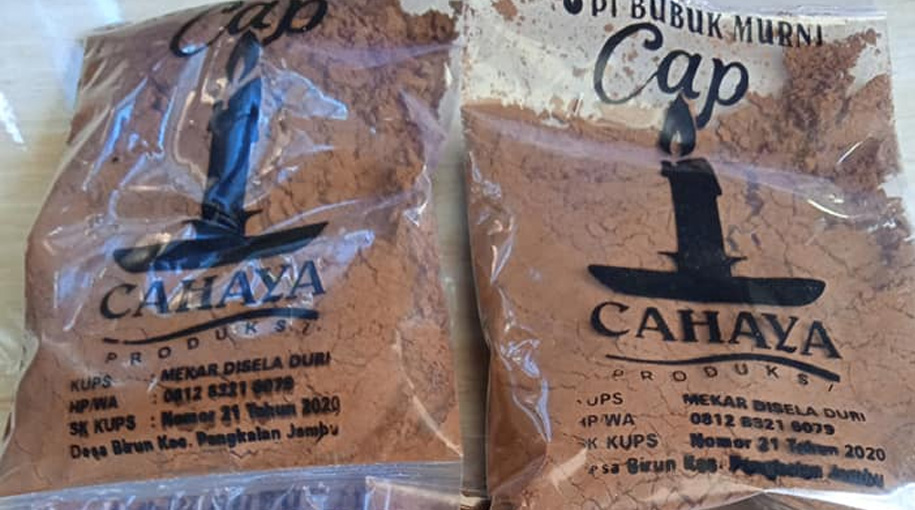
The IPAF-funded project implemented by Satunama Foundation in Indonesia supported indigenous women through the establishment of income generating activities. Indigenous women were organized in the villages and underwent training on coffee processing and product packaging. Through the project, processing equipment for coffee production were provided to the said indigenous women’s group.

“Today I visit Birun village for the last project monitoring. I'm happy to see that the women's group have already [sold] their coffee in the market. The facilities given by the IPAF project really helped them to initiate sustainable livelihood based on the local potency,” narrated Suharsih, project coordinator of Satunama Foundation.


ipaf works towards 2

ipaf works towards 3

The women group in Birun Village, organized thru the IPAF Project 2326, is now selling coffee products in the market. (Credits to Project 2326 Satunama Foundation, Indonesia)


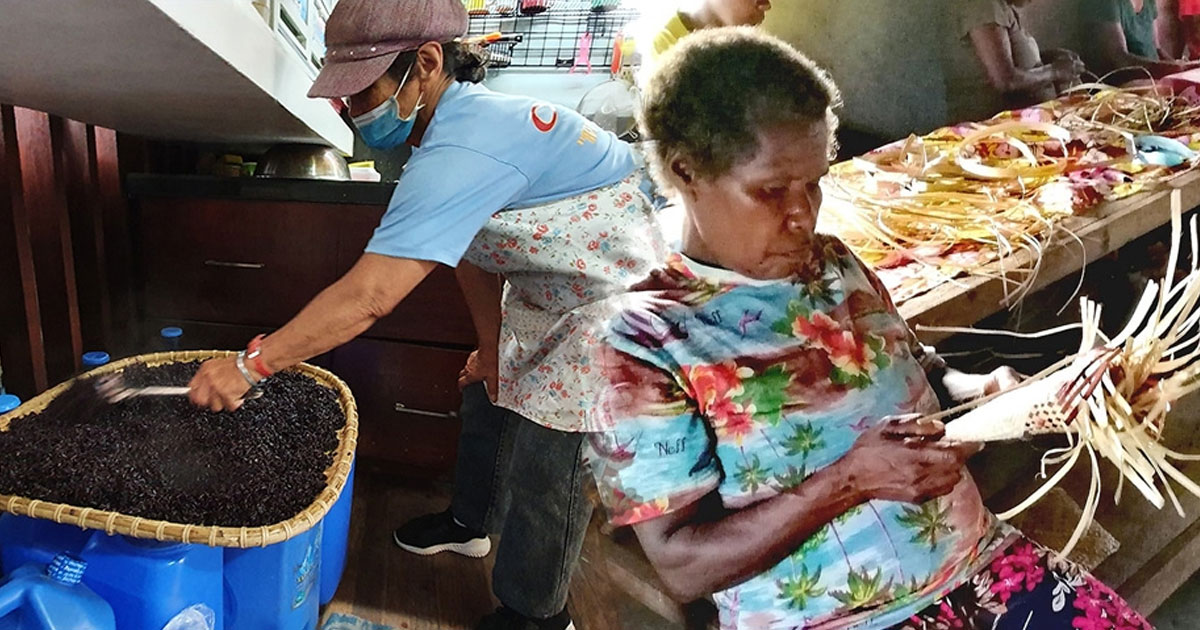
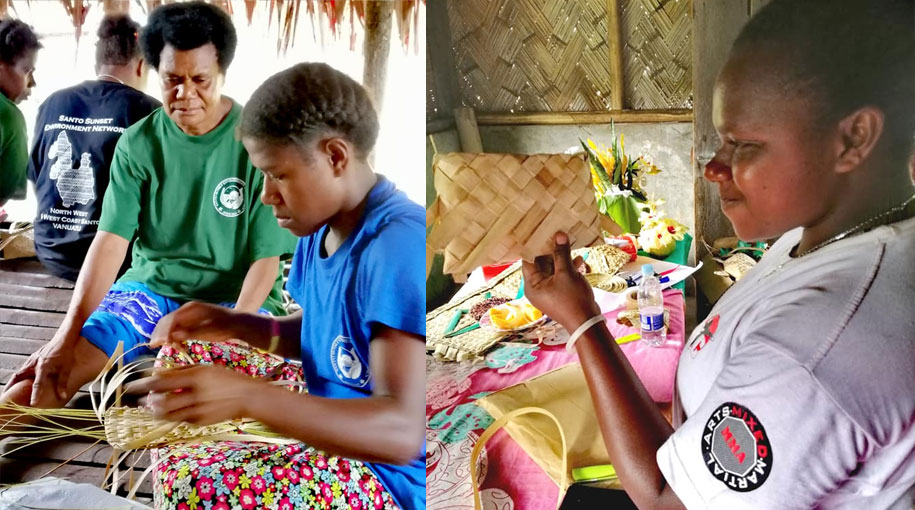
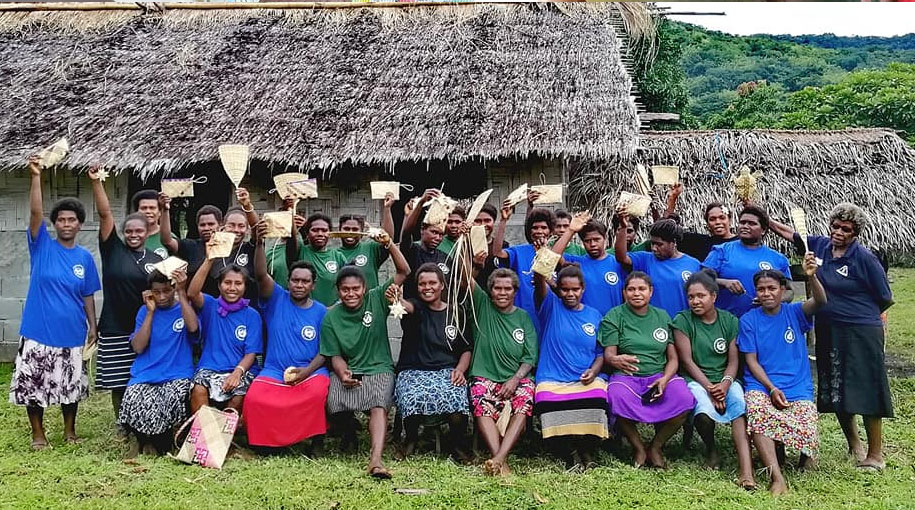
Likewise, Ni-Vanuatu women of Santo Island in Vanuatu underwent a training-workshop on weaving through the IPAF-financed project implemented by Edenhope Foundation in partnership with Santo Sunset Environment Network, allowing them to maintain one of their traditional practices while promoting the use and propagation of pandanus, also known as screw palm or pandan, a dioecious plant native to the Pacific region. This women-focused project is building the capacity of Ni-Vanuatu women in financial management and small business establishment.


ipaf works towards 4

ipaf works towards 5

Around 70 Ni-Vanuatu women, thru the IPAF Project 2559, undertake training on weaving using pandanus plants. (Credits to project 2559 Edenhope Foundation, Vanuatu)


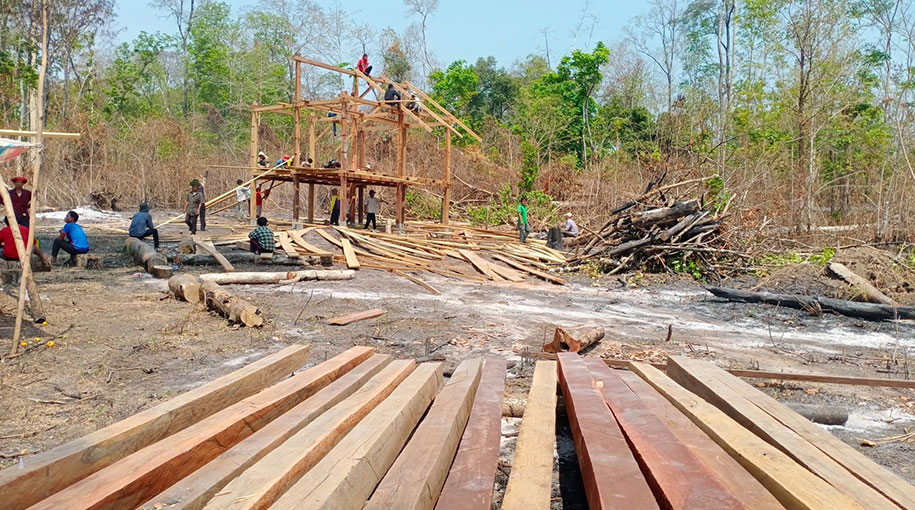
In Cambodia, the IPAF-funded project, Indigenous Peoples’ Rights to Food through Conservation of Indigenous Crops and Promotion of Traditional Farming, supported Highlanders Association to build a couple of community seed banks to preserve endangered indigenous seeds and crops, promoting their continuous propagation among indigenous peoples’ communities.


ipaf works towards 6

Construction of a seed bank is being supported by IPAF Project 2177 in Kambak Village promoting conservation of indigenous crops. (Credits to Project 2177 HA, Cambodia)


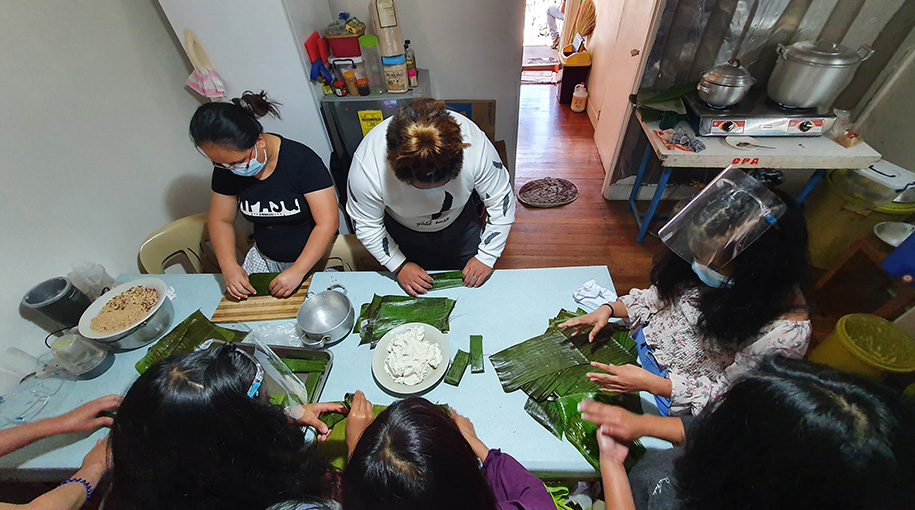
The Asia Young Indigenous Peoples Network, implementing the IPAF-supported project in the Philippines, organized a series of intergenerational learning activities, engaging indigenous youth to learn more about food preparation and traditional cuisines. 


ipaf works towards 7

With the learning workshops supported by the IPAF Project 2092, Igorot young women are learning how to prepare inandila, a native glutinous rice delicacy in the Cordillera. (Credits to Project 2092 AYIPN, Philippines)


With the support from IPAF, through Tebtebba, these projects aim to promote sustainable livelihood and continuous capacity building for a number of indigenous peoples’ groups. At the same time, the revival of indigenous knowledge and practices becomes a major strongpoint, recognizing various indigenous cultures and their crucial contribution in addressing several challenges and issues related to access to land, climate change, food security, and livelihood.

The IPAF is established in the International Fund for Agricultural Development (IFAD). The IPAF current cycle is supporting 11 projects in 9 countries in Asia and the Pacific. The implementation of the projects will be completed this year. 

Indigenous Peoples Advocacy Team (IPAT) Report from the Green Climate Fund

Indigenous Peoples Advocacy Team (IPAT) Report from the Green Climate Fund

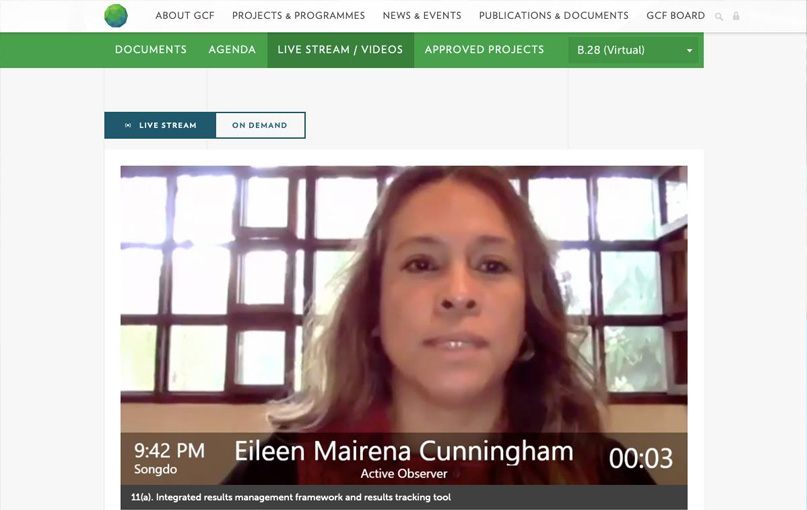
The 28th meeting of the Green Climate Fund concluded with new fifteen funding proposals requesting US$ 1,197.1 million of GCF funding being approved by the board. The virtual meeting which happened virtually from 16 to 19 March 2021 also focused on some policy matters that were crucial for indigenous peoples like the Updated Accreditation Framework, the Simplified Approval process updates, and the Integrated Results Management Framework.

With two new co-chairs (Jean-Cristophe Donnellier from the French Treasury and Jose De Luna Martinez from the Ministry of Finance and Public Credit, Mexico), who have both never been to any prior GCF Board meeting, the BM 28, which was webcasted live, has shown how challenging it is for board members to agree on crucial policies of the fund. This resulted to a deadlock on the Integrated Results Management Framework, which seeks to further strengthen the ability of GCF to measure and report the impact of its investments. The same is true for the accreditation of 5 entities, where the board did not reach a decision and will just present a new proposal before the next board meeting.

The civil society, indigenous people and local communities network, raised that the even if the Integrated Results Management Framework T states that it has a clear focus on integrating gender and social inclusion, it is unclear how this is measured in the proposed core indicators since it would entail an understanding of who the excluded groups are as part of a baseline, and as mentioned before, the issue of what kind of baseline is acceptable if not addressed. Additionally, it does not seem to consider the GCF’s Indigenous Peoples Policy as the “Policy linkages'' section of the document leaves out the IP Policy from the otherwise comprehensive list.

The observers to the GCF emphasize that, while the IRMF aims to disaggregate data using parameters such as sex, it must also have data about Indigenous Peoples at least in cases where a project is implemented in Indigenous Peoples’ territory and/or impacting Indigenous Peoples. The GCF secretariat clarifies that the the IRMF tries not to duplicate other GCF policies otherwise, it will lose focus.


ipat report 2


Meanwhile, prior to the official dates of the board meeting, the Civil Society, Indigenous Peoples and local communities network met with the executive director and the GCF secretariat. According to the IP Focal point, Ms. Jennifer Rubis, constitution of the Indigenous Peoples’ Advisory Group (IPAG) is going to happen this year as part of the workplan for 2021.

The BM 28 was participated in by the members of the IP Advocacy team including Eileen Cunningham Mairena of the Centre for the Indigenous Peoples' Autonomy and Development (CADPI), who also serves as the active observer for developing countries, Helen Magata of Tebtebba, Stefan Thorsell of the International Work Group on Indigenous Affairs (IWGIA), and Tunga Rai of the Nepal Federation of Indigenous Nationalities (NEFIN).