Motivated Indigenous Communicators to Continue Advocacy through Social Media

Motivated Indigenous Communicators to Continue Advocacy through Social Media

“I got more insights about social media and these are very important tools to reach our communities. I am very motivated to implement the things I learned.”

Gilliamo Orban, Communications Officer of De Vereniging van Inheemse Dorpshoofden in Suriname (VIDS), expressed his thoughts during the last session of the Training-Workshop on Enhancing the Use of Social Media for Advocacy. Conducted virtually for four three-hour sessions last March 2022, the training-workshop aimed to strengthen communications and advocacy works at various levels of both ELATIA and Indigenous Navigator partners in amplifying their different self-determined and sustainable development programs and activities while pursuing better visibility of indigenous peoples in various social media platforms.
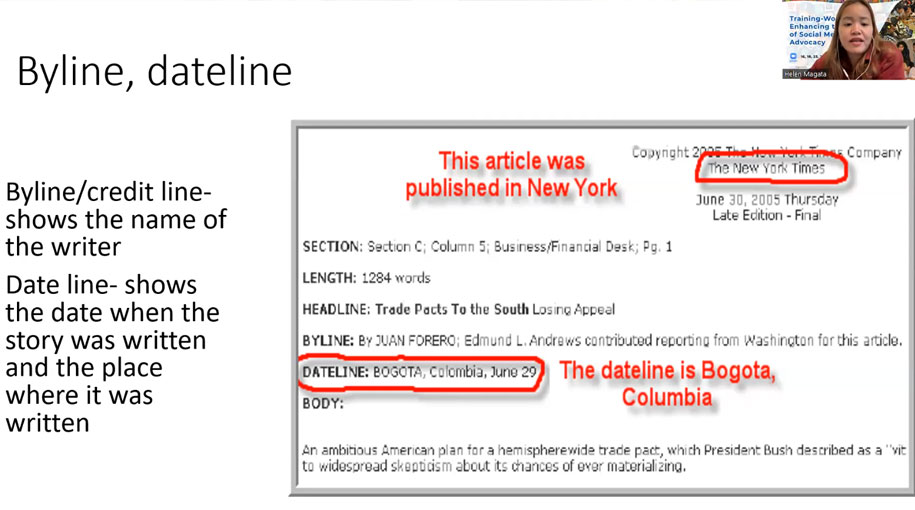
 

socmed 2


The training focused on the basic elements and principles of creating contents for social media such as news articles, picture quotes, videos, photos, as well as delivering these messages. “One of the key reasons that video performs so well on social media is because it’s an easy way to tell a story. Before you start creating content, first, you must have a plan on how you will go about your social media videos,” Paul Micheal Nera, Publication and IT staff of Tebtebba, said as he provided tips on shooting videos and taking pictures. In addition, Doris Borna Mae Esteban, Communications Staff of Tebtebba, shared about the effective delivery of advocacy-related messages and news updates via the different social media platforms.
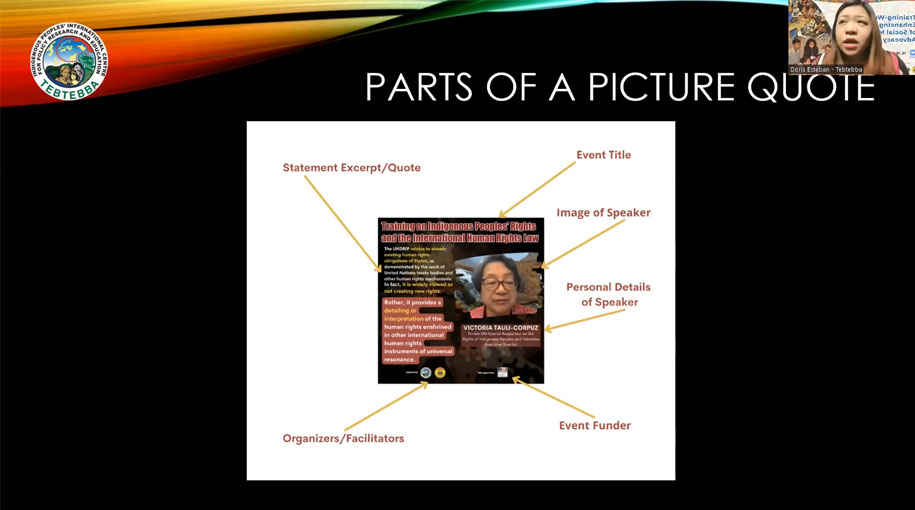
 

socmed 3


Participants had hands-on application on the elements and principles as well as the different tools of creating contents asynchronously. The participants’ outputs were reviewed and commented on by the trainers and presented on the last session for further discussion.

Ronnie Balong, Advocacy Staff and Community Development Worker of Silingang Dapit sa Sidlakang Mindanao (SILDAP) in the Philippines, said during the last session that planning is the most difficult part in creating and editing videos as he critiqued his own video output. He also advised the other participants to have more patience in creating their social media contents.

At the culmination of the training, Elie Chansa, the Information and Communications Officer of PINGO’s Forum in Tanzania, stressed that the training filled in the space of communicating for indigenous peoples to the world. “I think this training has been a great eye-opener to us, telling us that we have a part to do – we have a great burden to do for our community and for the world. We are the connectors of the communities and the world. We bridge the gap,” he said.

 

socmed 4


On the other hand, Luis Edpis, Community Organizer of the Indigenous Peoples Biodiversity Programme of Tebtebba, was very optimistic during the last session. He said he needed to practice more on developing social media audio-visual materials. “Someday, I hope I can also make my own video,” he said.

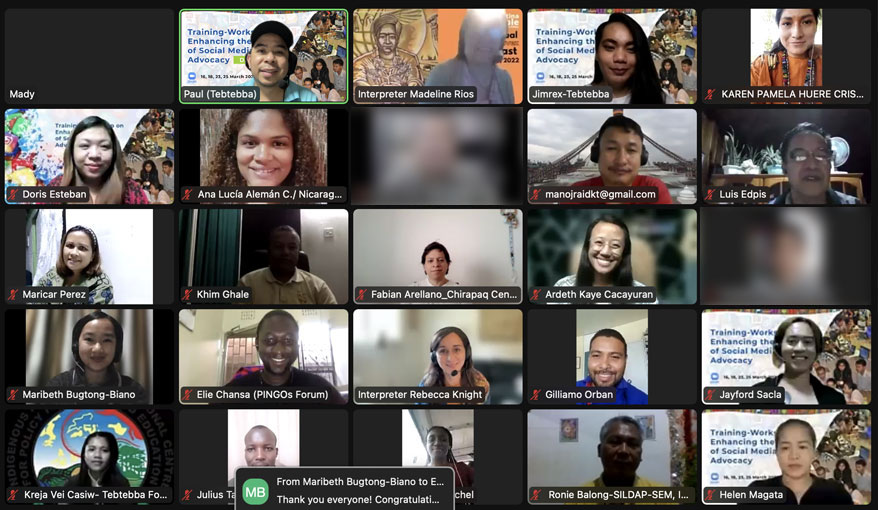
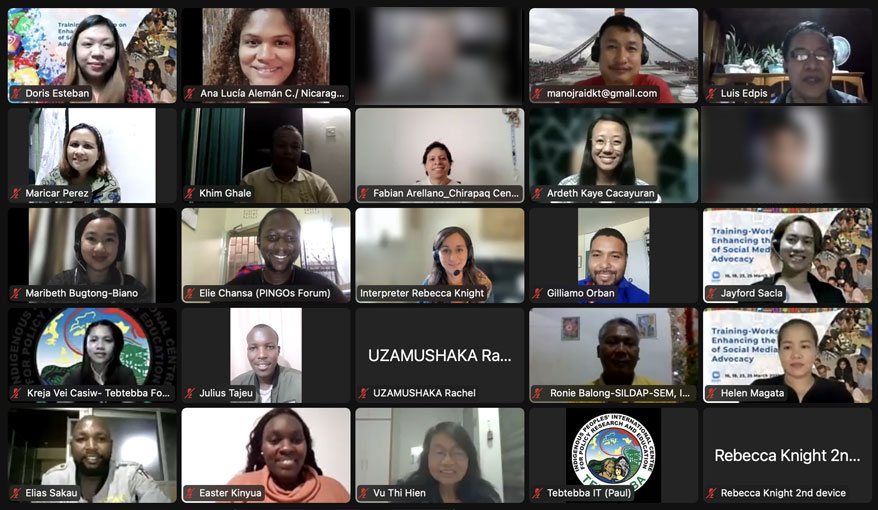
The training was made possible with support the from Brot fur die Welt and the Christensen Fund through the International Work Group on Indigenous Affairs (IWGIA). About 24 participants from all over the world participated in the said online event. The Strategic Communications and Knowledge Management Department staff of Tebtebba, in collaboration with the Indigenous Navigator and ELATIA Indigenous Peoples Training Institute, conducted the said training.
 

socmed 5

socmed 6

 *Some participants’ faces have been blurred to maintain their privacy.

Paving the way for young indigenous leaders toward sustainable and self-determined development

Paving the way for young indigenous leaders toward sustainable and self-determined development

A total of 578 indigenous leaders including indigenous women and youth from Nicaragua, Nepal, and the Philippines completed the training program on Indigenous peoples’ sustainable and self-determined development. With most of its activities implemented during the first half of 2021, the training supports the continuing learning of second-generation indigenous leaders.

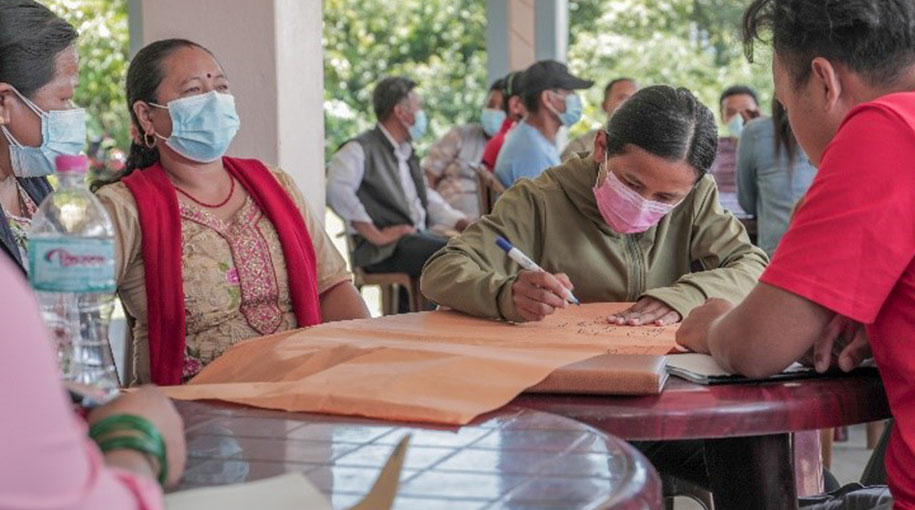
In Nepal, the Center for Indigenous Peoples’ Research and Development (CIPRED) implemented virtual and in-person training on policy advocacy last June and July 2021. Particularly, participants including indigenous youth and women from Nepal’s Lamjung district were oriented on the promotion and recognition of indigenous peoples’ customary practices, traditional knowledge and skills for the sustainable management of resources and community development.


paving the way 2

Photo: CIPRED


In addition, the training provided an opportunity for the youth to learn various customary practices from their elders. The youths also appreciated the importance of social media in culture and values information dissemination and awareness-raising.

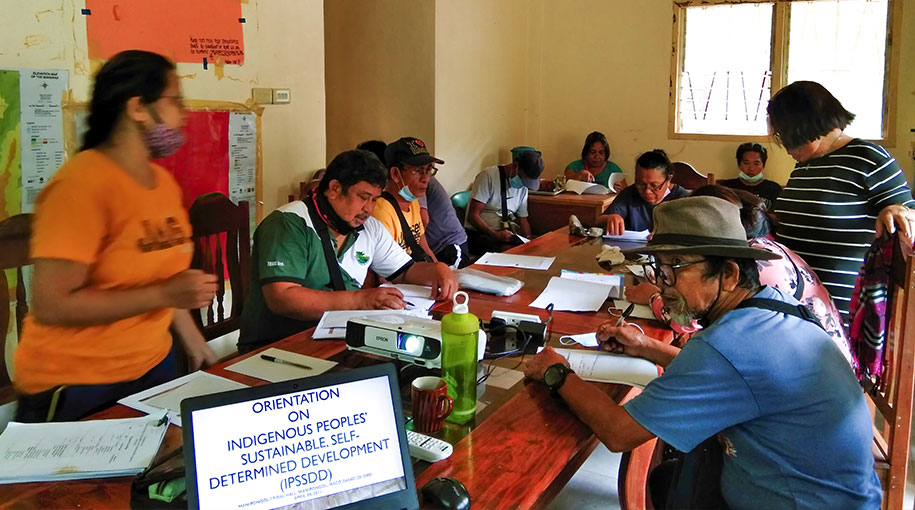
In the Philippines, Silingang Dapit sa Sidlakang Mindanao (SILDAP-SE) conducted orientation-trainings, community workshops, and focused group discussions in six communities of indigenous peoples in the provinces of Davao de Oro and Davao del Norte. It is notable that most of the participants realized during the orientations that there is a need for more work to be done in relation to their self-governance and to the challenges besetting their culture such as the vanishing of their language, among others.


paving the way 3

Photo: SILDAP-SE


Michael Guna, a Mansaka from Davao de Oro and an indigenous peoples’ mandatory representative to the local government, posited that the management of their ancestral domain and the utilization of its resources must be governed by indigenous peoples themselves and not by migrants. He expressed a desire to initiate the formulation of a local ordinance that would ensure the sustainability of their indigenous knowledge and practices. 

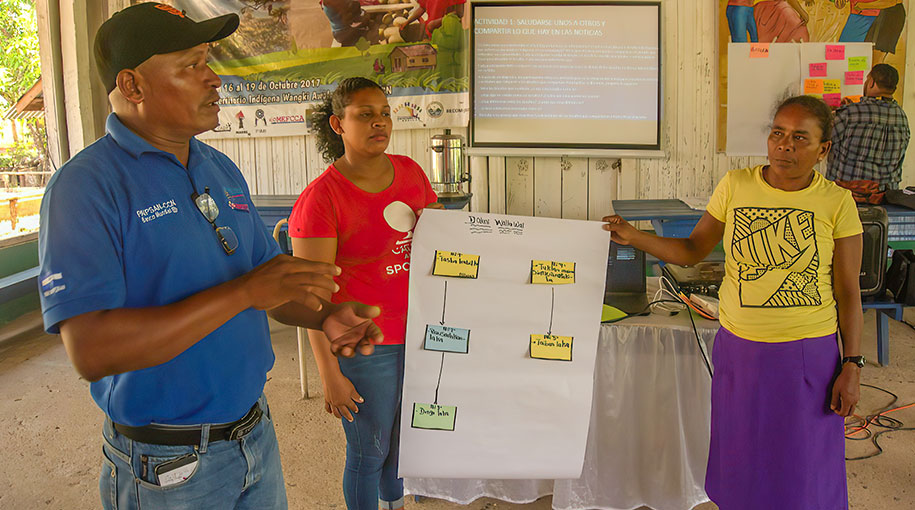
In Nicaragua, the Centro para la Autonomía y Desarollo de los Pueblos Indigénas (CADPI) held community workshops for the Miskitus and Mayangnas of the North Caribbean Coast Autonomous Region. Discussions revolved around global issues affecting them including the impacts of climate change in their communities.


paving the way 4

Photo: CADPI


“Mainly, we identify the different challenges facing each of the communities and, among them, find the common challenges, the different challenges per community,” expressed Larry Salomón, a community facilitator, during the training.

He stressed that one of the issues faced by the indigenous peoples in the Sauna As Territory is the conflict with settlers from Honduras who are illegally possessing community properties. In addition to that is the destruction and deterioration of their environment.

Echoing the sentiments of other participants from the three countries in terms of the trainings conducted in their communities, Gustavo Sebastian Lino, President of GTI Sauna As, said that the said training is essential because they get to see the reality that indigenous peoples confront not only within their community but also in other parts of the world. He stressed that the training opened spaces of knowledge that indigenous peoples have around the world which can, then, help the participants create better strategies and design change paradigms to better govern their communal property. “So that we can have security, protection, and defense,” he explained.

CIPRED, CADPI and SILDAP which are part of Elatia, a global partnership of indigenous peoples on climate change, forests, and sustainable development, also localized the IPSSDD Training Course guide being used by the Elatia Indigenous Peoples Training Institute, further allowing learners to appreciate its contents and relate it to their corresponding, specific situations.

Affected by the COVID-19 restrictions, the activities in the said countries were implemented with the support of Tamalpais Trust Fund through Tebtebba’s continuous project, Realizing indigenous peoples’ sustainable, self-determined development (IPSSDD) through training of next generation indigenous leaders, including women and youth.

(From reports of CIPRED, CADPI and SILDAP-SE and interview excerpts from the video, Chuklla, produced by CADPI.) 

ELATIA enhances indigenous communities’ capacity for sustainable and self-determined development

ELATIA enhances indigenous communities’ capacity for sustainable and self-determined development

Nine partners of ELATIA, an indigenous peoples’ global partnership on climate change, forests and sustainable development, have been implementing capacity-building activities among local indigenous communities in their countries since October 2020.

The main theme of the capacity building activities revolved around approaches to indigenous peoples’ sustainable and self-determined development or IPSSDD.  IPSSDD reiterates the centrality of indigenous peoples’ rights in development while ensuring the protection, sustainable use, and management of the environment. A holistic approach, IPSSDD also ensures the support for sustainable, traditional livelihoods and the respect for cultural diversity. The vital roles of indigenous women and youth and the intergenerational transfer of traditional knowledge are important components of IPSSDD.

Towards sustaining initial efforts to develop and capacitate next generation leaders, the partners have been developing training materials, localizing or contextualizing and translating existing training modules into local languages and producing audio and visual materials. Furthermore, they have been conducting learning sessions and discussions, community workshops, and focused group discussions with substantial participation of indigenous women and the youth.

Institut Dayakologi based in Pontianak, West Kalimantan, Indonesia, conducted field assessments, focused group discussions, and workshops to contextualize the IPSSDD training modules prior to the implementation of training activities in different communities.


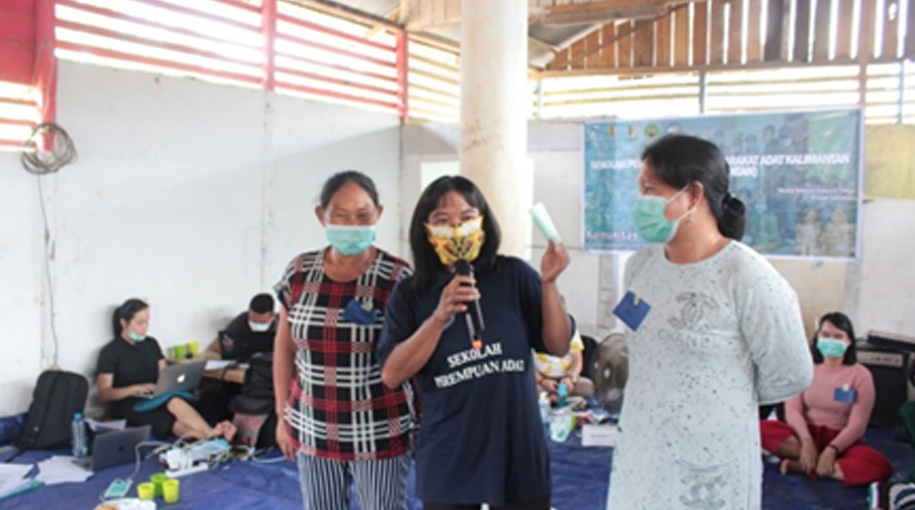
elatia enhances capacities 2The Field Assessment at Kampong Batu Menang. Mr. Ajin Vinsentius briefs the participants during the field assessment at Kampong Batu Menang, Ketapang District in West Kalimantan, Indonesia. (Photo Credit: ID’s Documentation Team)
 

elatia enhances capacities 3

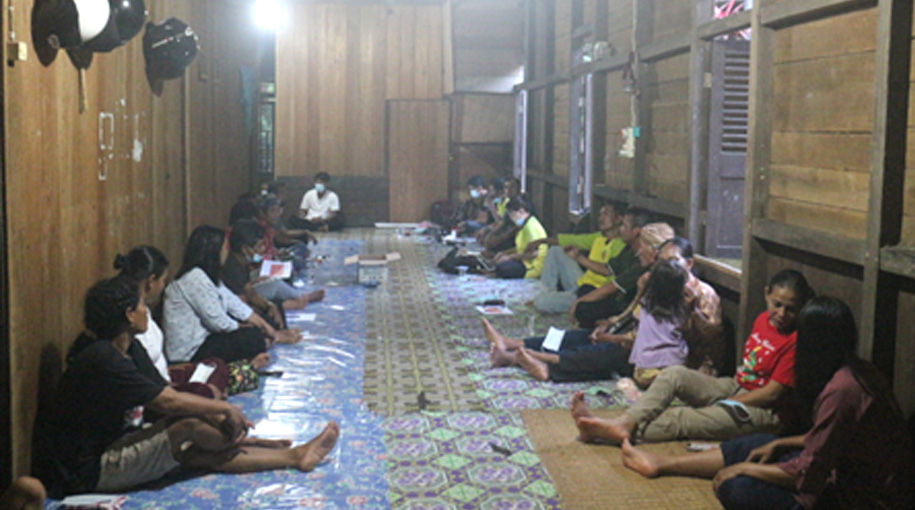
An indigenous youth, who participated in the IPSSDD training at Kampong Segumon in KTJ of Sanggau District in West Kalimantan, Indonesia last December 12, 2020, shares her thought about indigenous knowledge to the other participants. (Photo Credit: ID’s Documentation Team)
 

As part of practicing the lessons from the training, the Mainyoito Pastoralists Integrated Development Organization (MPIDO) based in Nairobi, Kenya, facilitated a dialogue between the trained indigenous youth and women with the Kajiado County Ministry of Youth and Gender last November 2020.


elatia enhances capacities 4

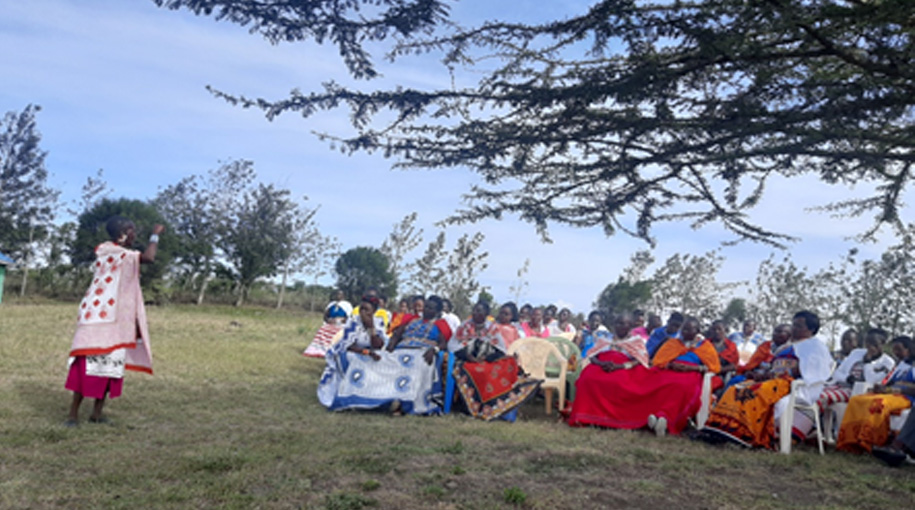
Indigenous women and youth talk about climate change mitigation and adaptation at Olooruka Resource Center Training last December 2020. (Photo: MPIDO)


Lands issues being confronted by the Maasai communities around their traditionally-occupied land, now called Ngorongoro Conservation Area, are central to the training conducted by Pastoralists Indigenous Non-Governmental Organization's Forum (PINGO's Forum) based in Arusha, Tanzania. The participants were oriented about legal procedures for land upgrade and land acquisition.

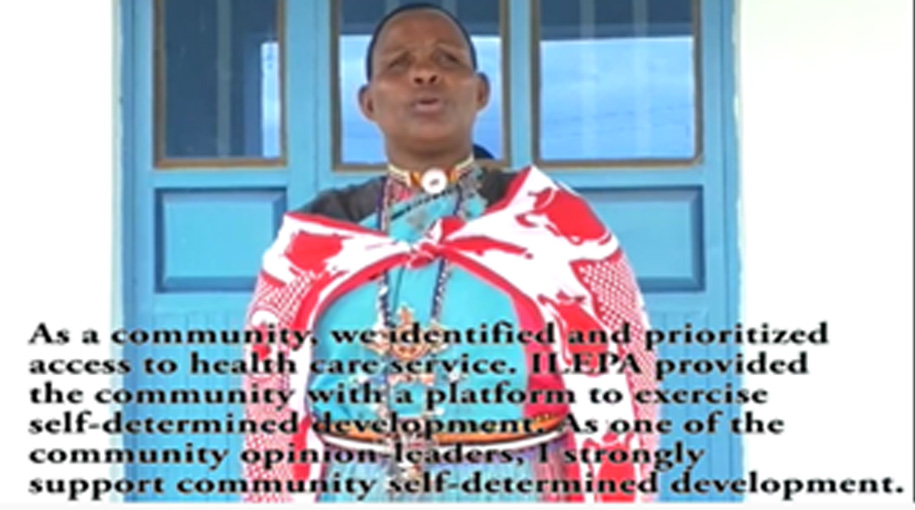
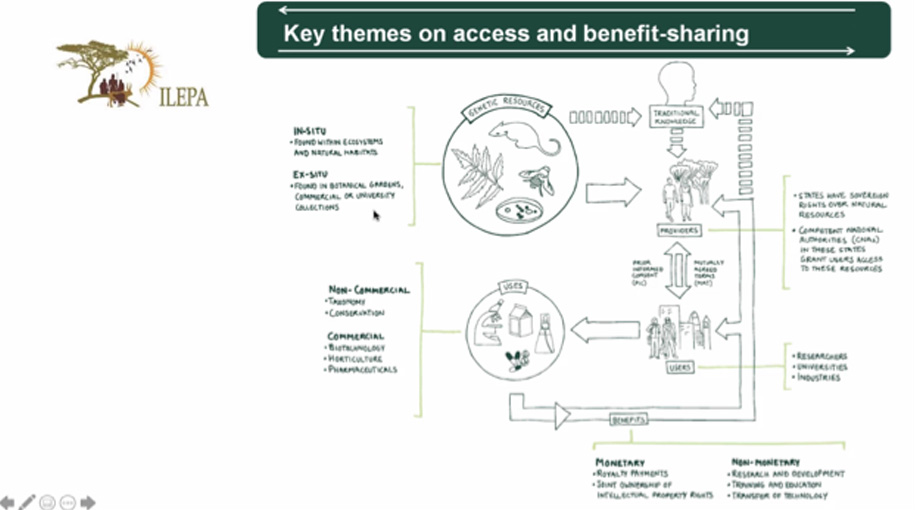
Indigenous Livelihoods Enhancement Partners (ILEPA), based in Narok, Kenya, targeted indigenous youth in their capacity building on IPSSDD concepts and approaches. ILEPA also video-documented lessons and experiences of communities as well as gaps in realizing a self-determined development of indigenous peoples.


elatia enhances capacities 5

Noolmejooli Nkoitiko of Maji-moto/Naroosura ward in Narok, Kenya shares her experiences in actively participating in data collection and community needs identification and prioritization in Maji-moto facilitated by ILEPA in one of its implemented projects. (Screengrab from ILEPA’s Youtube account)


elatia enhances capacities 6

Indigenous youth participants watch the video documentation during the training last December 2020 at Zebu Lodge in Narok, Kenya. (Photo: ILEPA)


The COVID-19 pandemic posed many challenges to the implementation of capacity building activities. It has limited the mobility and direct interactions of participants, trainers, and facilitators. To ensure health safety of everyone, the organizations enforced basic health safety protocols.


elatia enhances capacities 7

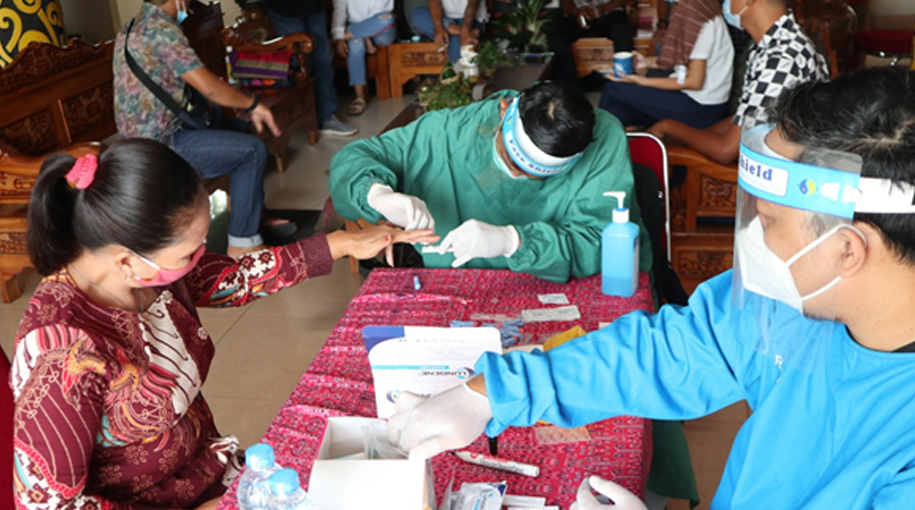
One of the participants takes a test as a required health protocol before attending the training at Jurung-ID Pontianak in West Kalimantan, Indonesia. (Photo credit: ID’s Documentation Team)
 

Being supported by the Tamalpais Trust, the project is part of achieving the overall goal of ELATIA to realize indigenous peoples’ sustainable, self-determined development through the training of next-generation indigenous leaders including women and youth.

The other partners involved in the project include Lelewal in Yaoundé, Cameroon, Union pour l’Emancipation de la Femme Autochtone” (UEFA) in Bukavu, Democratic Republic of Congo, Center for Autonomy and Development of Indigenous Peoples (CADPI) in RACCN, Nicaragua, Center for Indigenous Peoples' Research and Development (CIPRED) in Kathmandu, Nepal, and Silingang Dapit-Southeastern Mindanao, Inc. (SILDAP) in Tagum City, Philippines. 

Second-generation indigenous leaders are trained on policy advocacy

Second-generation indigenous leaders are trained on policy advocacy

The ELATIA Indigenous Peoples’ Training Institute, in partnership with the Indigenous Livelihoods Enhancement Partners (ILEPA), commenced a virtual training program for second-generation indigenous leaders on January 2021. The training on policy advocacy aims to equip young indigenous men and women with the necessary knowledge and skills for effective engagement in the different political processes on the UN Convention on Biological Diversity (UN CBD), United Nations Framework Convention on Climate Change (UNCBD), and the Sustainable Development Goals (SDGs). This program also aims to sustain indigenous peoples’ advocacy at various levels in the areas of biological diversity, climate change, and sustainable development.

The first in the series of advocacy training conducted through virtual platforms focused on the UNCBD, the event was participated in by twenty-six (26) participants nominated from ELATIA and Nia Tero partners and from other indigenous peoples’ organizations around the world.

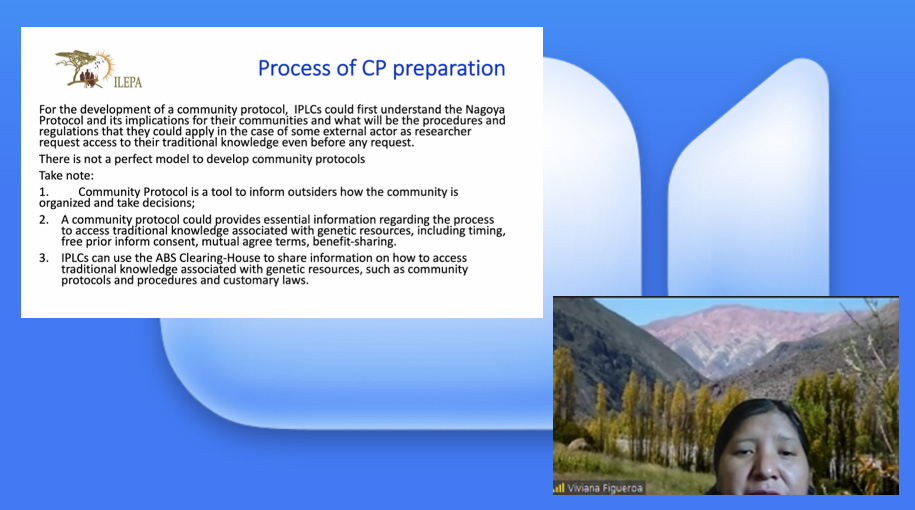
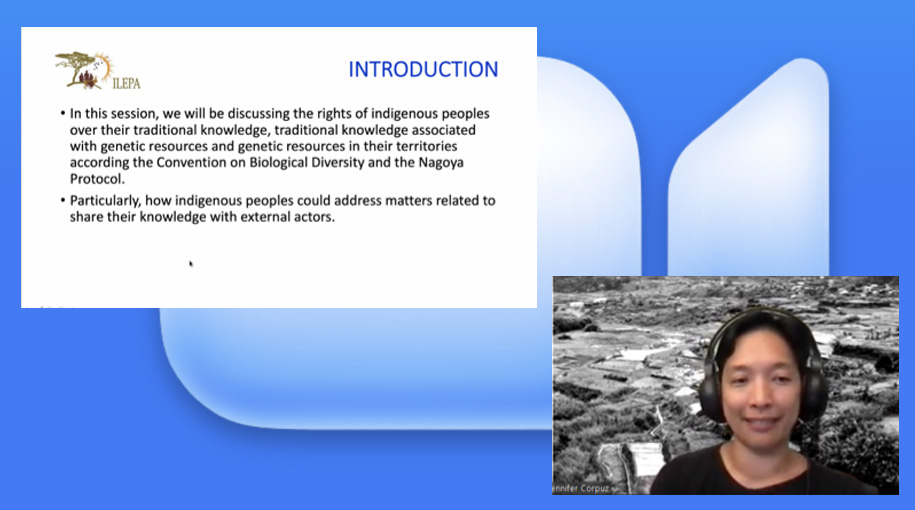
Four renowned indigenous experts on the UN CBD composed the training team namely, Joji Cariño of the Forest Peoples Programme, Viviana Figueroa of International Consultancy on Indigenous Peoples, Traditional Knowledge and Biodiversity, Jennifer Tauli Corpuz of Nia Tero, and Aslak Holmberg of the Saami Council. There were also individual experts who were invited as resource persons during the synchronous discussions. They were accompanied by their co-facilitators, helping them ran the session, both synchronously and asynchronously. The said co-facilitators also had experiences in engaging the different mechanisms of the UN CBD.


second generation 2


second generation 3


second generation 4


The participants were required to prepare their own advocacy plans considering the important elements of the UN CBD relevant to indigenous peoples and local communities, as part of the training. Participants whose advocacy plan get selected will be supported to implement their advocacy plans and will also have a chance to experience actual policy advocacy in future UN CBD processes.

Supported by Nia Tero and Bread for the World, two upcoming advocacy trainings will be on the UN Framework Convention on Climate Change (UN FCCC) and UN Sustainable Development Goals (UN SDGs).

Delivering statements at the UN CBD meetings: tips from indigenous advocates

Delivering statements at the UN CBD meetings: tips from indigenous advocates

Mr Aslak Holmberg, Vice President of the Saami Council representing the Finnish Sámi Central Organization and one of the trainers in the on-going training on policy advocacy in the UN Convention on Biological Diversity processes, shared several tips pertaining to proper delivery of any statement during UN CBD meetings:

During the preparation, first, one must familiarize himself or herself with the documents of the certain item on the table. Second, he or she should identify the issues that are relevant to indigenous peoples and local communities (IPLCs). Third, he or she must consider actual texts that require improvement in relation to the issues of IPLCs. Next, he or she must point out the negative impacts of the texts to IPLCs and consider the kinds of safeguards that could address these.

In reading the statement or intervention, Aslak stressed the need to be brief in the introduction. The speaker must thank the meeting chair and mention who or which organization he or she is representing. Then, he or she must provide a brief overview of the item including the general thoughts about it of the organization he or she is representing. After that, the speaker must address any concerns and mention improvements that the organization represented would like to see. Aslak also pointed out that when there is a long text recommendation that cannot be delivered during one’s allotted speaking time, the person on behalf of the organization can still deliver the additional text recommendations in writing.

Involved with the International Indigenous Forum on Biodiversity (IIFB), Aslak stressed additional key points to remember when delivering a statement: capture the listener, familiarize oneself with the texts to avoid being stuck with some strange words, and know the meaning behind the texts. The speaker must not read so fast and should enunciate his or her words clearly. He or she should look at the camera, enabling some kind of contact with the audience and sounding like he or she is telling his or her issues. The speaker must pay attention to intonation, as well, attempting not to be monotonic, practicing reading out loud in advance, and sticking to the allotted speaking time. If time is not enough, the speaker must not leave the most important point for last. Towards the end of the delivery, the speaker should add words, like finally, to grab the attention of the listeners. Then, the speaker ends his or her intervention by thanking the chair for giving him or her the floor.

Ms Joji Cariño, one of the indigenous experts engaging in the UN CBD processes who is also among the roster of trainers, offered additional pointers as regards crafting interventions. One is for advocates to bring in fresh words and ideas to the IIFB for further discussion. She added that those new to the process must not be intimidated by the others who may already have lengthy experience of doing advocacy work at the said level. More so, new comers must volunteer to be part of certain teams or working groups who are preparing these statements. Likewise, the new advocates can further advance the cause by citing relevant examples from their communities. 

The on-going training is being implemented jointly by the ELATIA Indigenous Peoples Training Institute and ILEPA with support from Nia Tero and Bread for the World.