
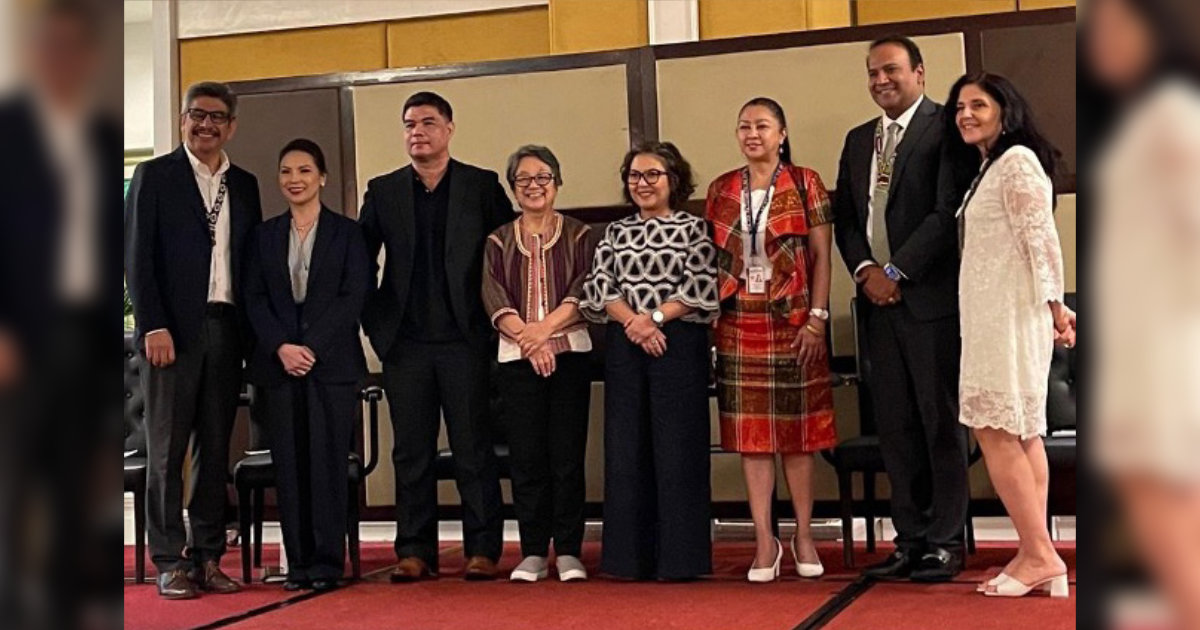
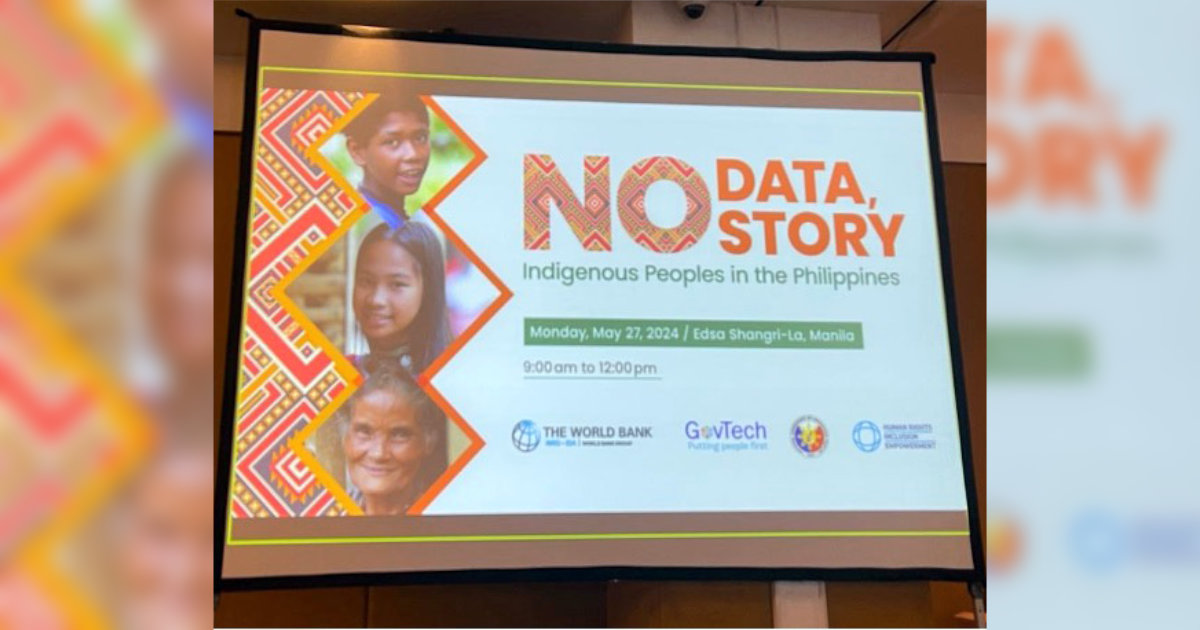
May 27, 2024—The World Bank Philippines unveiled its Our Data: Our Story, a publication aimed at closing the data gap and driving more inclusive, data-driven policymaking. This project emphasizes the importance of using data to improve the lives of Indigenous Peoples (IPs), whose access to essential services remains limited.
The event, held in Manila, brought together a diverse group of policymakers, development experts, civil society representatives, and data advocates. Among the keynote speakers was Ndiamé Diop, the World Bank country director for the Philippines, Brunei, Malaysia, and Thailand, who stressed the significance of disaggregating data to better inform policy.
The Power of Disaggregated Data
Diop highlighted how critical it is to break down data to understand the nuances of local issues, especially indigenous communities. He noted that one of the report’s key findings was that delays in processing Certificates of Ancestral Domain Titles (CADTs) could exacerbate conflicts. “This brings us to a crucial point: we need to support the National Commission on Indigenous Peoples (NCIP) in processing the delineation and registration of CADTs at a faster pace,” Diop said. He also emphasized the need for deliberate policies that enhance IPs’ access to water, sanitation, education, and healthcare while preserving their cultural identity.
Moreover, Diop pointed out the geographic isolation of many indigenous communities, noting that “improving connectivity and interventions in these areas could go a long way in reducing poverty and improving welfare.” According to Diop, these efforts are vital to strengthening sustainable and inclusive growth in the Philippines. The World Bank is committed to supporting the government’s initiatives to improve the welfare of Filipino IPs by promoting indigenous knowledge and protecting IP rights to land and resources.
Supporting Indigenous Peoples Through Policy
Fatima Aliah W. Dimaporo, Undersecretary for Legislative Affairs at the Department of Social Welfare and Development (DSWD), shared how DSWD has been working to address the unique needs of IPs. She highlighted several initiatives, such as the Pantawid Pamilyang Pilipino Program (4Ps) and the Kapit-Bisig Laban sa Kahirapan - Comprehensive and Integrated Delivery of Social Services (KALAHI-CIDSS), which empower IP communities by providing access to essential services. Recently, the DSWD incorporated ethnicity variables into its social safety net programs, as seen in the Modified Conditional Cash Transfer program for IPs in geographically isolated areas.
Dimaporo also emphasized the department’s ongoing collaboration with the World Bank, particularly in projects like Panahon sa Pagkilos, which aims to improve services for marginalized communities, including those affected by climate change. “The report sheds light on crucial issues like education, health, and access to clean water among Indigenous Peoples,” said Dimaporo, adding that the DSWD has initiated a pilot profiling of IPs to gather comprehensive data and refine its strategies.
Challenges in Indigenous Data Collection
Jennifer Pia Sibug-Las, Chairperson of the NCIP, addressed the challenges in collecting accurate data on IPs. She highlighted the ambiguity surrounding IP data and statistics and the need for more culturally sensitive data-gathering methods. “One of the biggest challenges is the remoteness of IP communities, which sometimes requires enumerators to hike for days. This often leads to underrepresentation of IPs in national statistics,” said Sibug-Las.
The discussion also explored the role of political structures within indigenous communities, noting that many IPs are governed by lineage-based systems that complicate policy interventions. She stressed the importance of empowering IP organizations, building their capacity, and ensuring that IPs are visible in policy discussions.
Conflict, Land Rights, and the Need for Inclusive Development
One of the most pressing issues identified during the launch was the interconnectedness of land rights, ethnic identity, and conflict. Only 20% of CADTs are currently registered, a statistic that underscores the need for faster processing to avoid conflicts. The panel stressed that silencing issues concerning vulnerable groups, including IPs, is a significant problem that stems from the lack of robust, disaggregated, and objective data.
“Without proper data, the issues faced by IPs will remain silent,” Nikki said, adding that political processes often suppress the truth about the real conditions in conflict-affected regions like the Bangsamoro Autonomous Region in Muslim Mindanao (BARMM), Davao Region, and Caraga Administrative Region. The report further highlighted the unique challenges faced by Non-Moro Indigenous Peoples (NMIPs) in BARMM, particularly in relation to ancestral domain claims, which are threatened by current legislative debates.
Moving Forward: A Commitment to Inclusive Growth
As the Our Data: Our Story unfolds, the World Bank and its partners aim to ensure that the insights from this initiative inform policies that address the distinct needs of Indigenous Peoples. Diop closed his speech by reaffirming the World Bank’s commitment, “Improving the welfare of Indigenous Peoples is not just about poverty reduction—it’s about ensuring long-term social cohesion and sustainable development. This requires respecting and integrating indigenous knowledge, protecting their land rights, and providing equitable access to services and economic opportunities.”
The World Bank, in collaboration with government agencies like the DSWD and NCIP, hopes that the report and future actions will shape policies, development programs, and advocacy efforts that improve the lives of IPs across the Philippines.
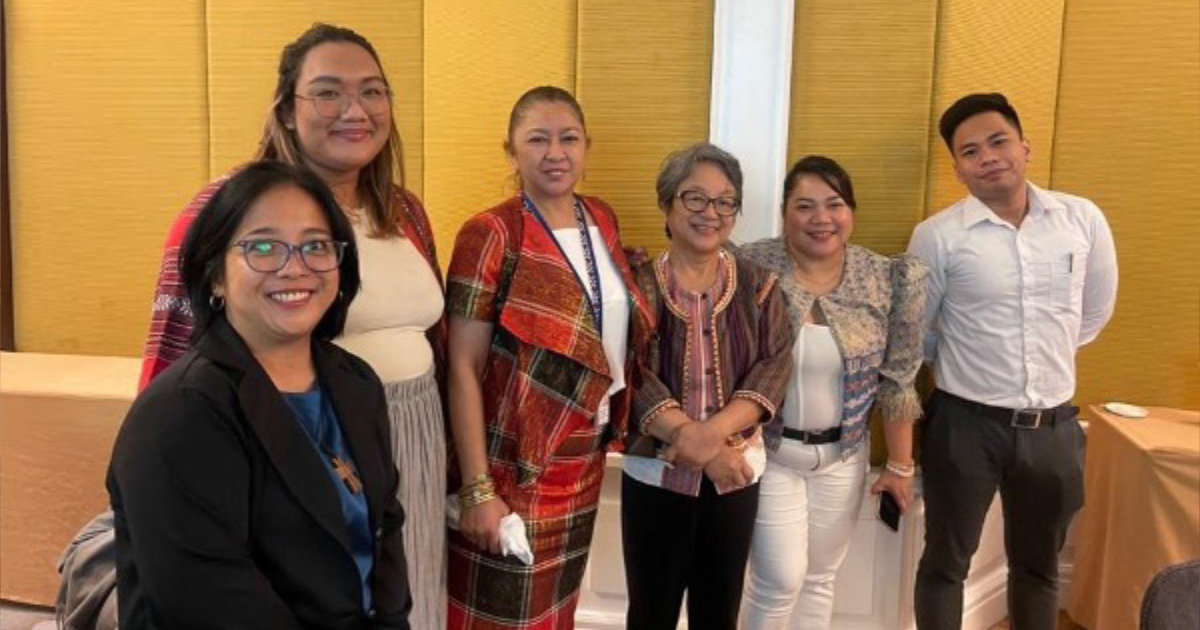
Tebtebba dn NCIP