
"A man without enemies is not worth anything."
Leticio Datuwata, Timuay Labi (Supreme Chieftain) of the Timuay Justice and Governance (TJG)--the indigenous political structure (IPS) that governs the Teduray and Lambangian people of Maguindanao del Norte, Maguindanao del Sur and Sultan Kudarat, asserted the need to keep up the struggle toward the genuine respect, fulfillment and protection of Indigenous Peoples’ rights as enshrined in the United Nations Declaration on the Rights of Indigenous Peoples (UNDRIP) during the visits to the Teduray and Mansaka communities in Mindanao, Philippines on 14-24 February 2025. The visits were conducted in coordination with the TJG and the SILDAP-Southeastern Mindanao (SILDAP-SE) Inc., a non-government organization based in Tagum City that works with indigenous communities, specifically in the southeastern part of the island, as part of the continuing efforts to revitalize and strengthen the Ugnayang Pambansa para sa Katutubong Kaugalian at Talino (UPAKAT) Inc. and the need to monitor pilot communities of Tebtebba’s community strengthening initiative.
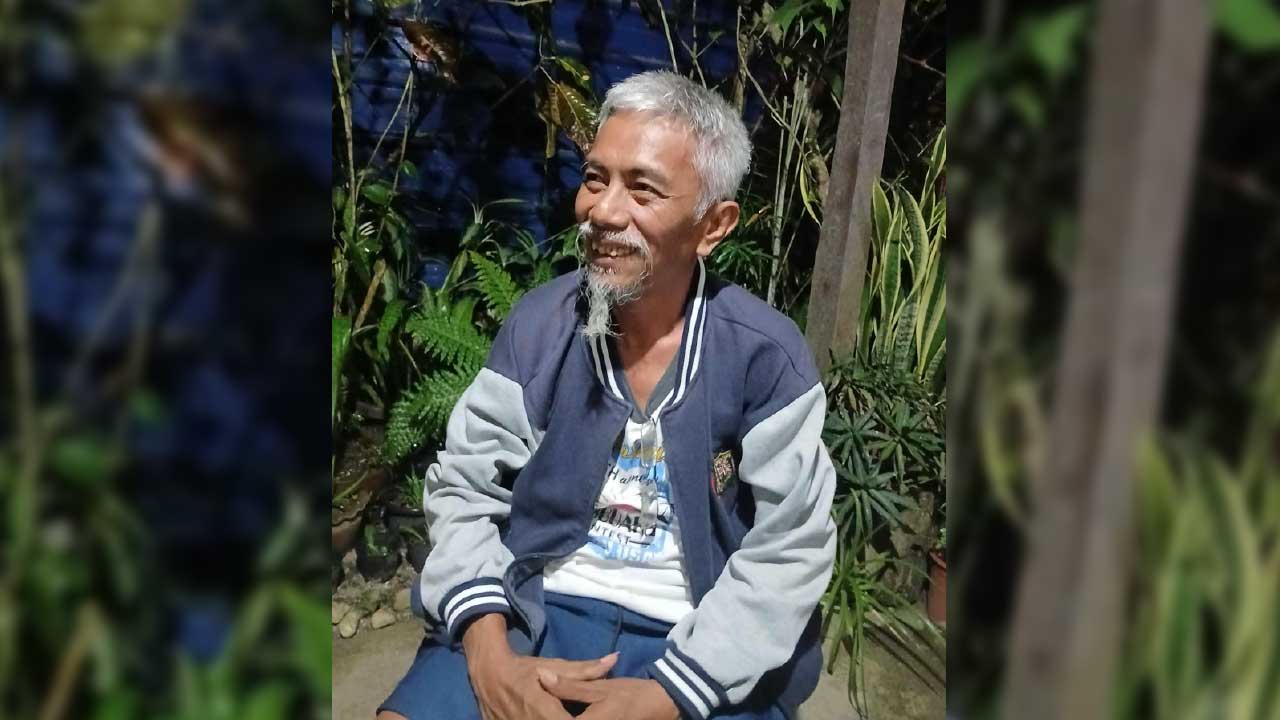
Timuay Labi (Supreme Chieftain) Leticio Datuwata of the TJG stresses the need to continue fighting for Indigenous Peoples’ rights despite all odds
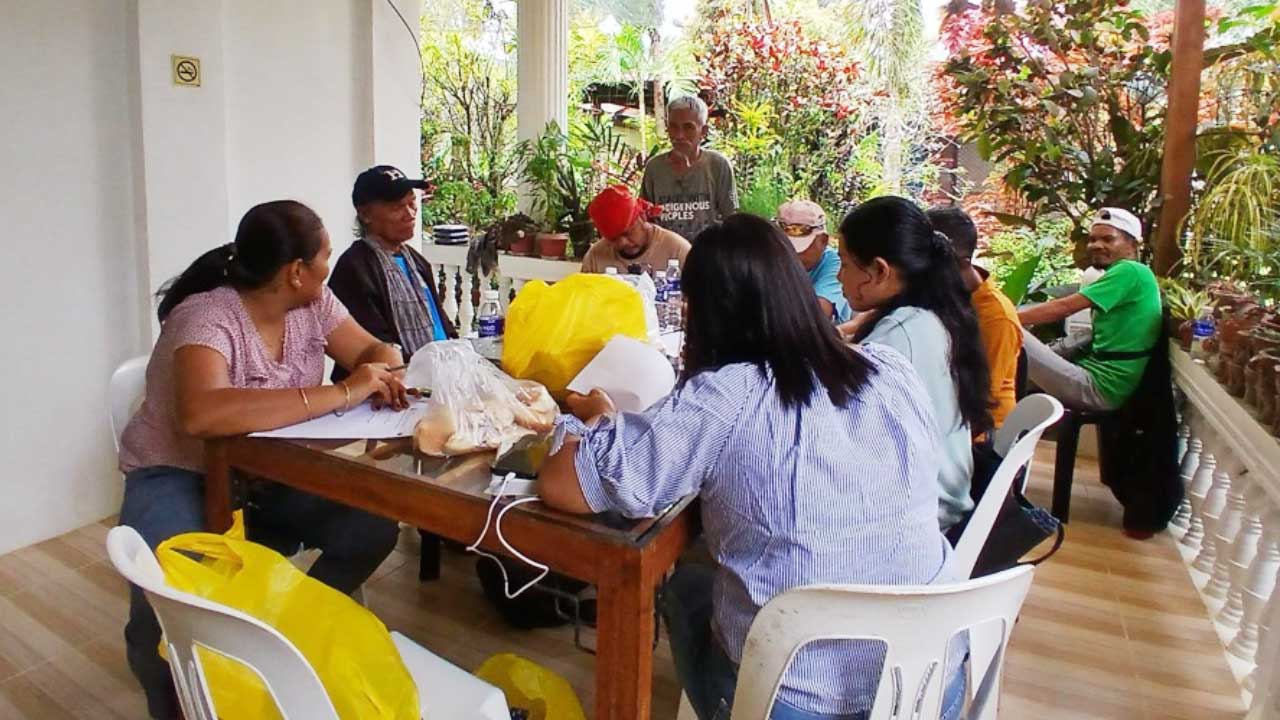
During the first part of the trip—the visit to the TJG and the Teduray of Upi, Maguindanao del Norte, a series of focused group discussions (FGDs) were conducted among the leaders, farmers, women, and youth of the TJG, allowing them to review their organizational structure, identify the issues and felt needs within their communities, and formulate some ways forward to conclude discussions.
One of the highlights during the discussions was the ongoing congressional deliberations on the increased killings of non-Moro Indigenous Peoples (NMIPs) in the Bangsamoro Autonomous Region of Muslim Mindanao (BARMM). Stressed also were the issues of land grabbing, camp transformation and possible mining explorations in the Teduray-Lambangian ancestral domain. In fact, the biggest issue, they said, was that of land—or was land-related—as all the pervading problems were tied up either to their protection of their ancestral domain or to their assertion of ownership of it. The need to find resources to continue advocacy work, including the protection of land rights defenders, was a pervading call during the FGD ways forward discussions.
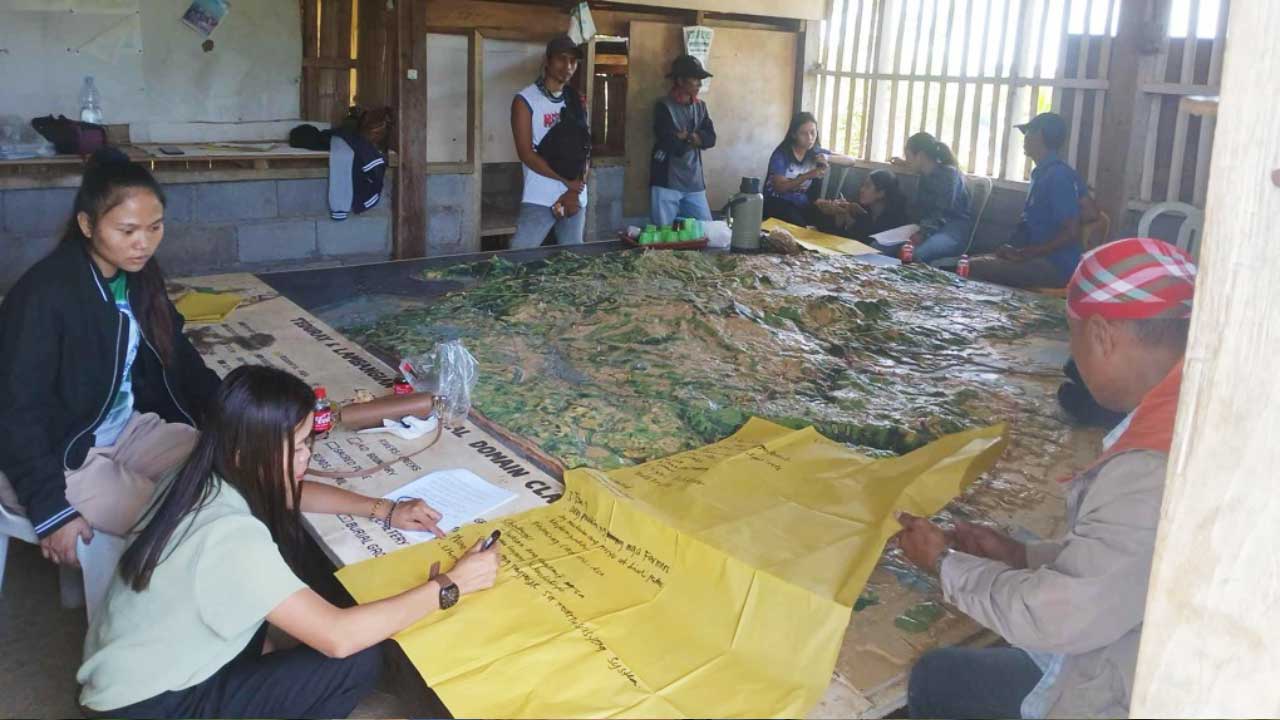
The second part—the visit to SILDAP-SE and the Mansaka of Maco, Davao de Oro, unfolded in a series of meetings, specifically with the SILDAP-SE key people, as well as courtesy calls to the Maco municipal mayor’s office and to the Maco Ancestral Domain Management Office (ADMO) – Indigenous Peoples and Muslim Affairs (IPMA).
During the courtesy call to the mayor’s office and to the ADMO-IPMA right after, SILDAP-SE Executive Director Rande Bayate and Tebtebba staff re-introduced their collaborative work in Maco, stating that the community strengthening project in barangay Gubatan, located in the said municipality, has already been ongoing for two years. To better provide context to the Gubatan project, the team presented a brief explanation of the Indigenous Peoples Sustainable Self-Determined Development (IPSSDD) Framework which was being undertaken via the community strengthening phases of work, targeting indigenous knowledge systems and practices (IKSP) transfer and revival through the increase of possible second liners and adults interested.
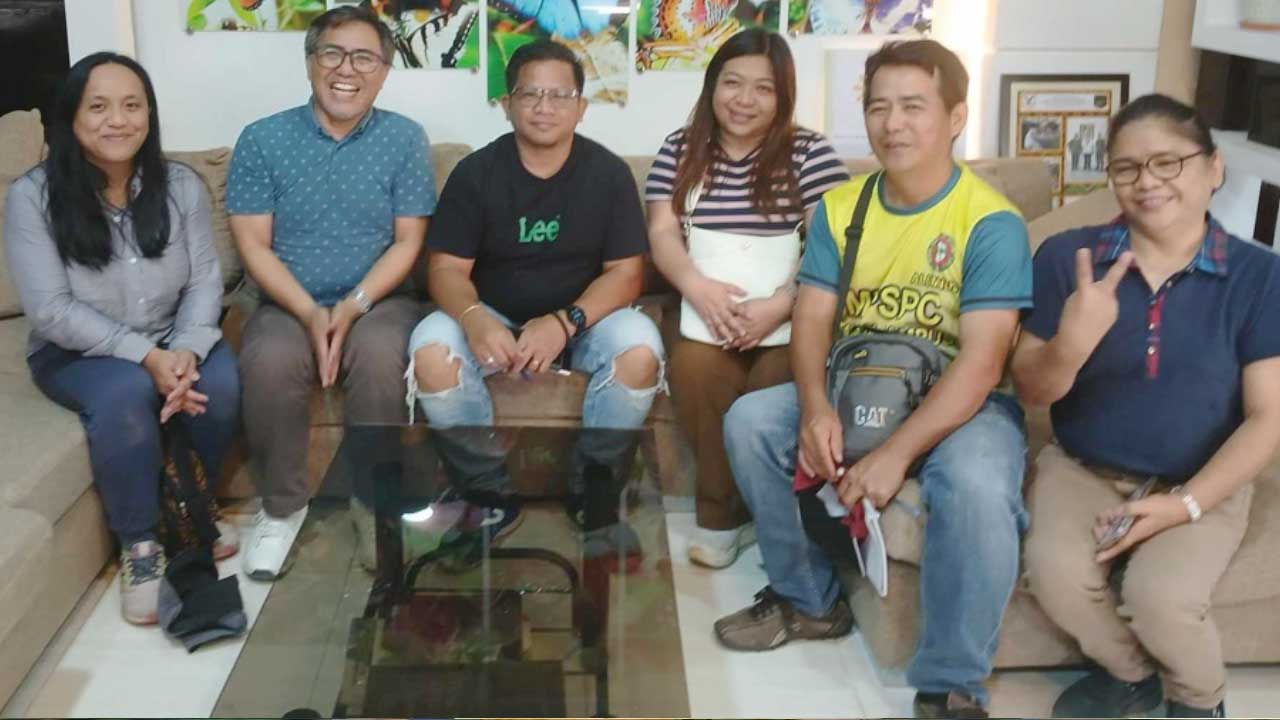
“Hindi dapat mawala sa assertion na sila ang tagapagmana ng ancestral domain” (The assertion that they are the heirs of their ancestral domain must not be lost on them), said Bayate, as he stressed the importance of using the IPSSDD Framework when doing community and advocacy work, reiterating the need for Indigenous Peoples to identify their own sustainable, self-determined development while, at the same time, understanding the importance of protecting their ancestral domain and maintaining an indigenous viewpoint especially when identifying possible projects within their community.
The UPAKAT community visits are part of a continuing initiative being undertaken by Tebtebba as the interim secretariat of the Network—a network of Indigenous Peoples’ organizations, indigenous political structures and indigenous communities all over the country. These community visits aim to re-strengthen the connections among members, allowing more cohesive and up-to-date advocacy work, grounded on the real lived experiences and challenges faced by member communities. Through these series of visits, the Secretariat hopes to gather much needed information, with the free, prior and informed consent (FPIC) of the said members, for the continuous development and updating of each Network member’s profile which, in turn, will be used to guide both advocacy and community strengthening efforts.