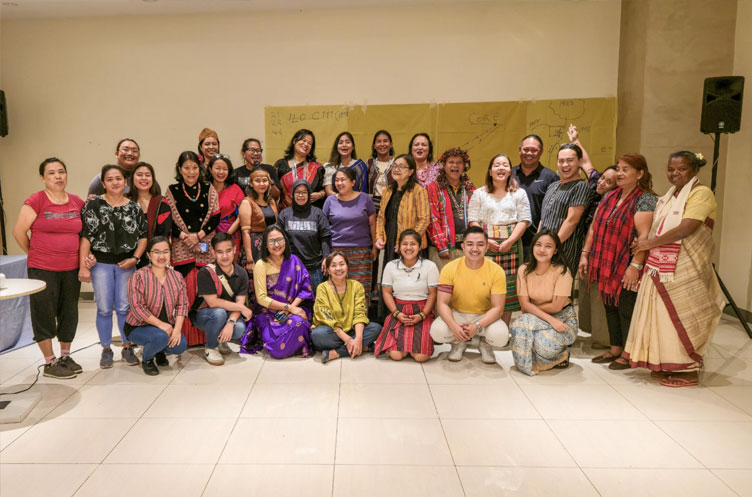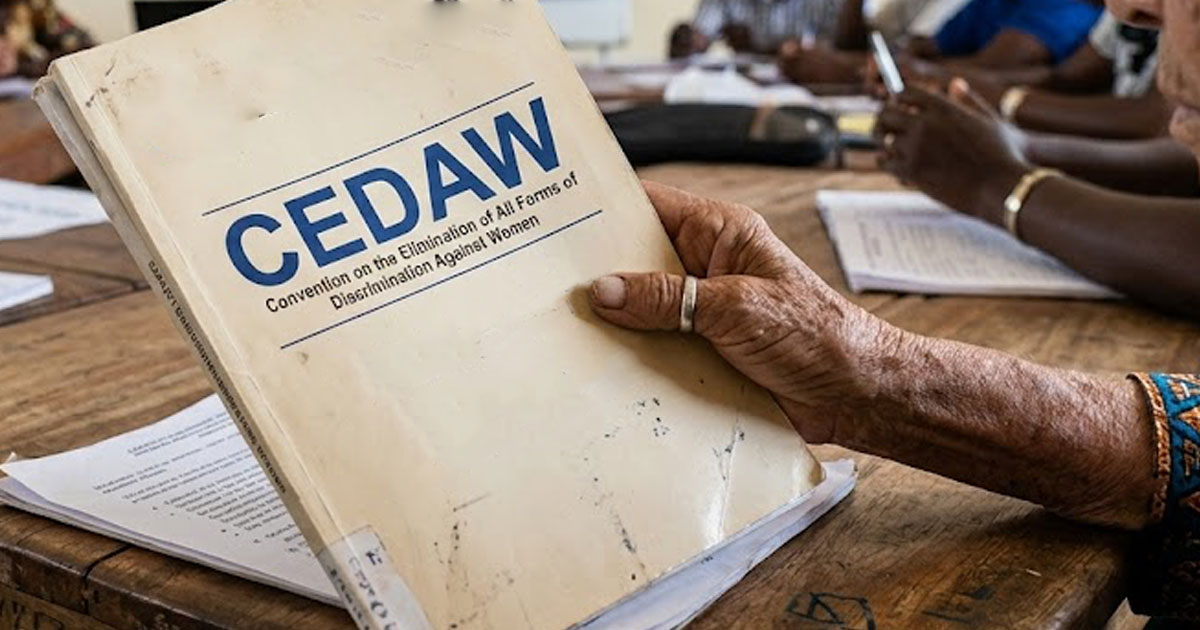
A number of Indigenous women leaders and advocates participated in a capacity-building workshop on the Convention on the Elimination of All Forms of Discrimination against Women (CEDAW) and CEDAW General Recommendation (GR) No. 39 on the rights of Indigenous women and girls. The workshop, held from May 13–16, 2025 in Baguio City, Philippines, aimed to enhance participants’ knowledge on CEDAW GR No. 39 and the United Nations Declaration on the Rights of Indigenous Peoples (UNDRIP). It also aimed to strengthen their skills in using these international human rights instruments to advance the respect, protection and fulfillment of their rights.
In October 2022, the Committee on the Elimination of Discrimination against Women adopted GR No. 39, which provides guidance to States parties on legislative, policy and other measures to ensure the implementation of their obligations regarding the rights of Indigenous women and girls under CEDAW.
General Recommendations (GRs), also referred to as General Comments (GCs), are authoritative interpretations by UN human rights treaty bodies of the provisions of their respective treaties.
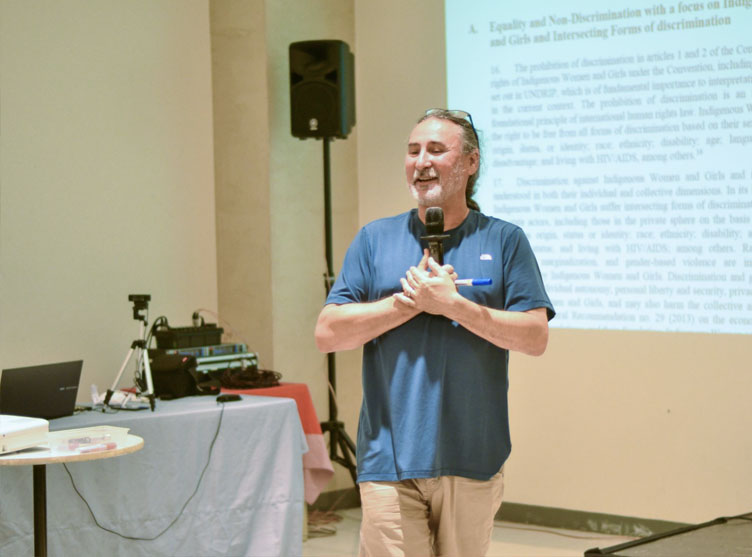
Fergus MacKay, Senior Legal Counsel and Policy Advisor of Indigenous Peoples’ Rights International (IPRI), served as the resource person during the workshop. He emphasized that GR No. 39 is an authoritative interpretation of UNDRIP and makes its provisions legally binding. He noted that GR No. 39 is a step toward fulfilling Article 44 of UNDRIP, which guarantees that all rights and freedoms recognized in the Declaration apply equally to male and female Indigenous individuals.
During the workshop, participants learned about the UN human rights system, including its bodies, procedures and mechanisms. They examined real-life situations of Indigenous Peoples to deepen their understanding of individual and collective rights, State obligations and accountability mechanisms. MacKay highlighted the elements of discrimination outlined in GR No. 39 and discussed the recourse available to Indigenous women and communities when States fail to comply with their obligations. Participants also learned about reporting, inquiry and communications procedures.
The four-day workshop was attended by representatives of member organizations of the Asian Indigenous Women’s Network (AIWN), elders from UPAKAT, a national network of Indigenous political structures, Indigenous organizations and communities promoting traditional knowledge and wisdom in the Philippines, members of PANAGHIUSA, the national network upholding the human rights of Indigenous Peoples, as well as staff from the Indigenous Peoples’ Rights International (IPRI) and Tebtebba Foundation, Inc.
This workshop forms part of Tebtebba’s capacity-building program for Indigenous leaders, including second-generation leaders. It was made possible through the support of IPRI and AIWN, with funding from Wellspring and AYNI Fund.